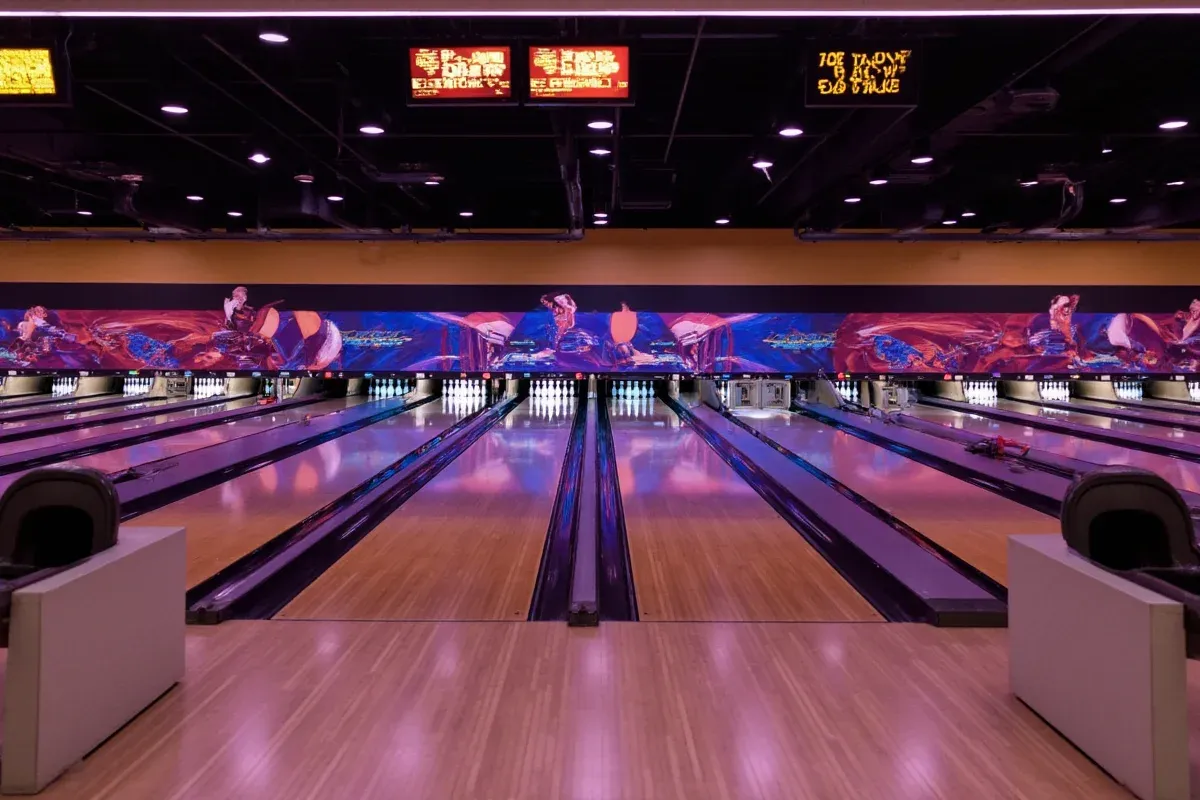
How Long Is a Bowling Alley? Full Dimensions Explained
A standard bowling alley lane is 60 feet (18.29 meters) long from the foul line to the head pin, with an additional 15 feet (4.57 meters) for the approach area, making the total length approximately 75 feet (22.86 meters).
Understanding the Standard Dimensions of a Bowling Alley
The length of a bowling alley is precisely regulated to ensure fair and consistent gameplay across all sanctioned venues. The playing surface, known as the lane, measures exactly 60 feet from the foul line to the center of the headpin (pin #1). This measurement is standardized by the United States Bowling Congress (USBC) and the World Tenpin Bowling Association (WTBA), governing bodies that oversee competitive play.
Beyond the lane itself, bowlers require space to take their approach before releasing the ball. This approach area extends up to 15 feet in front of the foul line, bringing the total linear length of a regulation bowling alley to about 75 feet.
Key Components of a Bowling Alley's Length
- Lane Length: 60 feet (18.29 m) – from foul line to headpin
- Approach Area: Up to 15 feet (4.57 m) – where bowlers stand and step during delivery
- Total Facility Span: ~75 feet (22.86 m) including lane and approach
- Lane Width: 41.5 inches (1.05 m), consistent across all lanes
Variations Across Different Bowling Formats
While ten-pin bowling is the most common format in the U.S., other variations such as duckpin and candlepin feature slightly different lane dimensions and equipment sizes. However, the 60-foot lane length remains standard for ten-pin bowling worldwide.
Common Questions About Lane Measurements
- Is the 60-foot measurement inclusive of the approach?
- Do international bowling alleys differ in length?
- How does lane length affect ball speed and scoring?
- Are mini-bowling lanes shorter than regulation ones?
- What happens if a player crosses the foul line?
| Bowling Format | Lane Length (ft) | Lane Length (m) | Approach Length (ft) | Total Length (ft) | Governing Body |
|---|---|---|---|---|---|
| Ten-Pin (Standard) | 60.0 | 18.29 | 15.0 | 75.0 | USBC / WTBA |
| Duckpin | 60.0 | 18.29 | 15.0 | 75.0 | NDPA |
| Candlepin | 60.0 | 18.29 | 15.0 | 75.0 | WCA |
| Mini-Bowling | 36.0 | 10.97 | 10.0 | 46.0 | Various |
| Roller Bowling | 60.0 | 18.29 | 15.0 | 75.0 | FIRS |
The data shows that traditional formats like ten-pin, duckpin, candlepin, and roller bowling all maintain the same 60-foot lane length, indicating a strong consistency in competitive standards. Mini-bowling is the only notable exception, designed for children and casual play, featuring lanes nearly 40% shorter than regulation size. This uniformity ensures that skill development in professional settings remains transferable across regions and formats.
Design and Construction Considerations
When constructing a bowling facility, architects must account for more than just the lane and approach. Additional space is required for seating areas, scoring consoles, ball returns, and maintenance access behind the pin deck. As a result, the total room length needed for a single lane often exceeds 85 feet to accommodate all components safely and comfortably.
Flooring materials also play a role in lane performance. Most modern lanes use synthetic overlays or hard maple wood, both of which are precision-leveled to ensure consistent ball roll over the full 60-foot span.
Impact of Lane Length on Gameplay
The 60-foot distance significantly influences ball dynamics, including speed decay, hook potential, and pin impact angle. Longer lanes would increase difficulty due to greater friction exposure, while shorter lanes reduce reaction time and strategic depth. The current standard strikes a balance between challenge and accessibility for players of all skill levels.
Oil patterns applied to the lane surface interact with this length, guiding ball motion from release to pin contact. Pattern lengths typically range from 34 to 42 feet, meaning the final 18–26 feet of the lane remain relatively dry, allowing for controlled hooking action.
FAQs About Bowling Alley Length
How long is a regulation bowling lane from foul line to pins?
A regulation bowling lane is exactly 60 feet (18.29 meters) long from the foul line to the center of the headpin. This measurement is standardized by the USBC and WTBA for all certified competitions.
Does the approach count in the total lane length?
No, the approach area is not included in the official 60-foot lane length. The approach, which can be up to 15 feet long, is separate and located in front of the foul line where bowlers begin their delivery.
Are all bowling alleys the same length worldwide?
Yes, all regulation ten-pin bowling alleys are 60 feet long from foul line to pins, regardless of country. International standards set by the WTBA ensure global consistency for professional and amateur play alike.
How long is a mini-bowling lane compared to a standard one?
A mini-bowling lane is typically around 36 feet long—significantly shorter than the standard 60-foot lane. These are designed for children, entertainment centers, and home installations where space is limited.
Why is the bowling lane exactly 60 feet long?
The 60-foot length was standardized in the early 20th century to balance playability and challenge. It allows sufficient distance for ball reaction and oil pattern strategy while remaining practical for commercial construction and player safety.
More Articles
 Where Did Rugby Originate? History & Origins Explained
 Who Won the First Super Bowl? | Packers vs Chiefs
 How Old Is Major League Baseball? (2025 Update)
 Arm Wrestling Muscles: Key Muscles Used (2026)
 When Does Little League Baseball Start? 2025 Season Guide
 Did Dan Marino Play in a Super Bowl? Answer & Facts
 Where Is the Orange Bowl Played? Venue Details
 Tennis Shoes Made in the USA: Brands & Facts
 Speed Training Organization: Practical Framework
 How Old Is The Rock Wrestler in 2025? (Age & Career Facts)