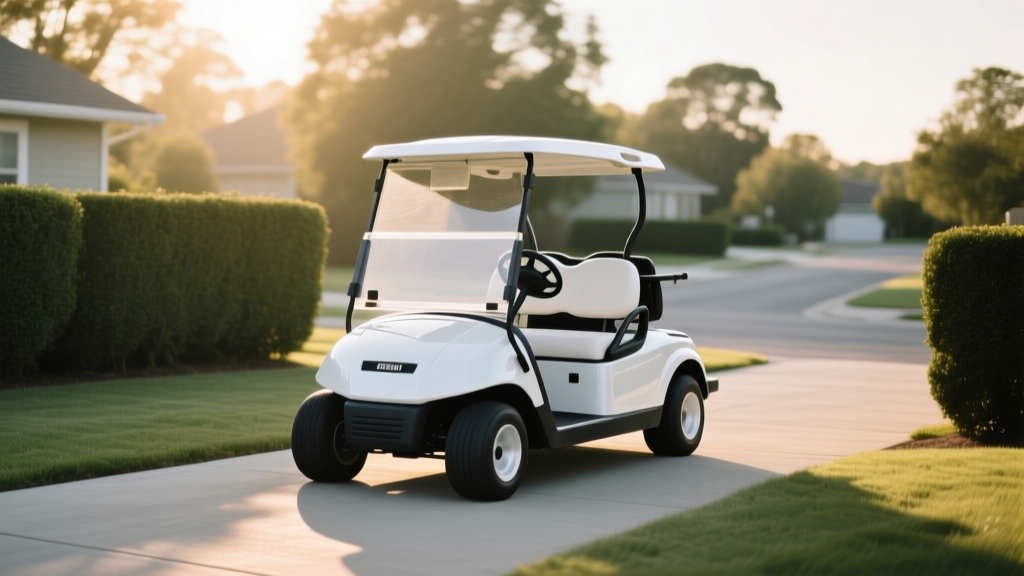
How Fast Is a Golf Cart? Top Speeds & Factors Explained
Golf carts typically travel between 12 to 14 miles per hour (19 to 23 km/h) on flat terrain, with high-performance and modified models reaching up to 25 mph (40 km/h). Speed varies based on motor power, battery capacity, terrain, and local regulations.
Understanding Golf Cart Speed: What You Need to Know
Golf carts are small electric or gas-powered vehicles designed primarily for transporting players and equipment around golf courses. However, their use has expanded to retirement communities, resorts, campuses, and industrial sites. While they're not built for speed, understanding their performance capabilities is essential for safety, utility, and compliance.
Why Average Speed Matters
The typical top speed of a standard golf cart ranges from 12 to 14 mph (19–23 km/h). This range balances energy efficiency, battery life, and safety. Exceeding this speed may require modifications, upgraded motors, or lithium-ion batteries, which can affect warranty and legality.
Factors That Influence Golf Cart Speed
Several key elements determine how fast a golf cart can go. These include the type of motor, battery configuration, weight load, terrain, and regulatory restrictions.
- Motor Type: Electric motors vary in voltage (36V vs 48V), directly impacting acceleration and top speed.
- Battery Power: Higher voltage systems (e.g., 48V) deliver more consistent power and faster speeds than older 36V models.
- Weight Capacity: Heavier loads reduce speed and strain the motor, especially uphill.
- Terrain: Uphill climbs, rough grass, or gravel significantly slow down unmodified carts.
- Local Laws: Many municipalities cap golf cart speeds at 15–25 mph for road use, often requiring safety kits if driven on public streets.
Types of Golf Carts and Their Speed Capabilities
Different models and brands offer varying performance levels. Below is a breakdown by category:
Standard Electric Golf Carts
Used on most golf courses, these run on 36V or 48V battery systems and are factory-limited to 12–14 mph for safety and battery conservation.
Gas-Powered Golf Carts
Fuel-driven models generally offer better torque and slightly higher top speeds—up to 18 mph—but come with increased maintenance and noise.
High-Performance & Modified Carts
Aftermarket upgrades like speed controllers, enhanced suspensions, and lithium batteries can push speeds to 25+ mph. These are common in private communities or off-road recreation.
| Model | Motor Type | Top Speed (mph) | Top Speed (km/h) | Battery Voltage | Range (miles) |
|---|---|---|---|---|---|
| Club Car Carryall 150 | Gas | 18 | 29 | N/A | Up to 75 |
| E-Z-GO RXV | Electric (48V) | 14 | 23 | 48 | 50–60 |
| Yamaha Drive2 | Electric (48V) | 14.5 | 23.3 | 48 | 55 |
| Club Car Precedent | Electric (48V) | 14 | 23 | 48 | 52 |
| Custom Modified Cart | Electric (48V + upgrade) | 25 | 40 | 48+ | 30–40 |
The data shows that stock electric models cluster around 14 mph, while gas-powered and modified versions exceed this. Upgraded carts sacrifice range for speed due to higher energy consumption. Factory models prioritize reliability and battery longevity over performance.
Speed Regulations and Legal Considerations
In many U.S. states and international regions, low-speed vehicles (LSVs) or neighborhood electric vehicles (NEVs) must comply with federal and local laws. The National Highway Traffic Safety Administration (NHTSA) defines LSVs as capable of 20–25 mph and mandates seat belts, lights, mirrors, and VINs for road legality.
- Carts exceeding 25 mph may be classified as automobiles, requiring registration, insurance, and a driver’s license.
- Many communities restrict cart speeds to 15 mph even on private roads.
- Modifications should comply with DOT standards if used beyond private property.
Frequently Asked Questions About Golf Cart Speed
How fast does an average golf cart go?
A standard golf cart typically reaches speeds of 12 to 14 mph (19 to 23 km/h). This speed is sufficient for navigating golf courses and residential communities safely.
Can a golf cart go 30 mph?
No, stock golf carts cannot reach 30 mph. Even heavily modified models rarely exceed 25 mph due to motor, controller, and safety limitations. Achieving 30 mph would require extensive custom engineering and likely violate vehicle classification laws.
Are electric golf carts faster than gas models?
Not necessarily. While modern 48V electric carts match or slightly exceed basic gas models in top speed, gas carts offer better sustained performance on hills and rough terrain. High-torque electric motors in upgraded systems can outperform gas variants in acceleration.
Does battery voltage affect golf cart speed?
Yes. A 48V system delivers more power and consistent speed compared to a 36V system. Higher voltage reduces voltage sag under load, maintaining speed on inclines and during prolonged use.
How can I make my golf cart faster?
You can increase speed through upgrades like a high-performance speed controller, lithium-ion batteries, improved tires, and motor tuning. However, always check local laws—many jurisdictions limit cart speeds for road use and require safety modifications.
More Articles
 Super Bowl Locations: Past, Present & Future Sites
 Who Won Super Bowl 2000? Rams vs Titans Full Recap
 Why We Love Baseball: Tradition, Strategy & Legends
 Super Bowl Start Time: What Time Does It Begin?
 Who Is the Best Boxer in the World Right Now? (2025)
 When Will We Know Who Is in the Super Bowl 2025?
 How Many BJJ Red Belts Are There? Truth Revealed
 How Many Rounds in Olympic Boxing? 3-Round Format Explained
 Who Fought in Boxing Last Night? Full Results & Highlights
 Golf Ball Released from Rest: Physics Explained