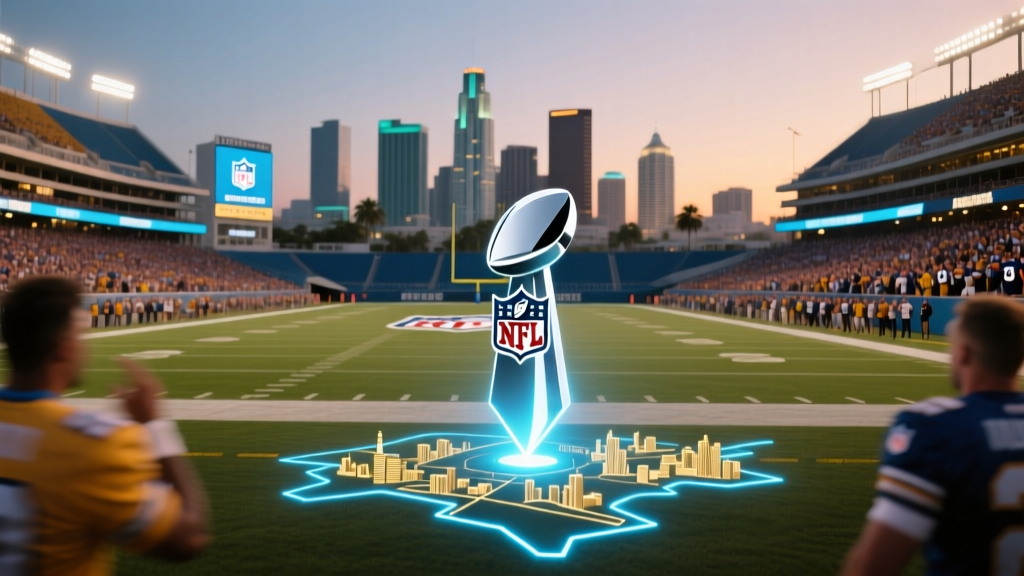
Super Bowl Locations: Past, Present & Future Sites
The Super Bowl locations are predetermined and typically held in warm-weather cities or indoor stadiums with retractable roofs, rotating among selected NFL host cities every year. Recent and upcoming sites include Las Vegas, New Orleans, and San Francisco.
How Super Bowl Locations Are Chosen
The selection of Super Bowl locations is a strategic process managed by the National Football League (NFL). Unlike other major sporting events, the host city is chosen years in advance through a competitive bidding process.
Key Factors Influencing Super Bowl Site Selection
- Stadium Quality: The venue must meet NFL standards for capacity, technology, and fan experience.
- Weather Conditions: Preference is given to cities with warm climates or domed/retractable-roof stadiums.
- Hotel Availability: A minimum of 20,000 hotel rooms within 30 minutes of the stadium is required.
- Transportation Infrastructure: Accessible airports, public transit, and road networks are essential.
- Economic Incentives: Host cities often offer tax breaks and financial support to secure the event.
Recent and Upcoming Super Bowl Locations
The NFL rotates Super Bowl venues across the United States, favoring metropolitan areas with modern stadiums and tourism infrastructure. Below is a detailed list of recent and future host cities.
| Super Bowl | Date | Location | Stadium | Capacity |
|---|---|---|---|---|
| LVIII | February 11, 2024 | Las Vegas, NV | Allegiant Stadium | 65,000 |
| LIX | February 9, 2025 | New Orleans, LA | Caesars Superdome | 73,000 |
| LX | February 8, 2026 | San Francisco Bay Area, CA | Levi's Stadium | 68,500 |
| LXI | February 7, 2027 | Los Angeles, CA | SoFi Stadium | 70,240 |
| LXII | February 6, 2028 | New Orleans, LA | Caesars Superdome | 73,000 |
The data shows a clear trend: the NFL favors repeat hosts with proven infrastructure. New Orleans and Los Angeles are frequent choices due to their climate, tourism appeal, and stadium readiness. SoFi Stadium and Allegiant Stadium represent the league’s preference for state-of-the-art facilities with retractable features.
Why Certain Cities Are Chosen Over Others
While many U.S. cities have NFL teams, only a select few are eligible to host the Super Bowl. Cold-weather cities without domed stadiums—such as Green Bay, Buffalo, or Minneapolis—are rarely selected due to weather risks.
Top Reasons Some Cities Get Repeated Bids
- Proven track record in hosting large events (e.g., Final Fours, Pro Bowls)
- Strong public-private partnerships and funding commitments
- Established fan amenities: entertainment districts, dining, security planning
- Media-friendly environments with ample press facilities
Future Trends in Super Bowl Hosting
Looking ahead, the NFL is increasingly focused on sustainability, fan engagement, and technological integration. Future host cities may be expected to demonstrate green initiatives and digital ticketing systems.
Additionally, international games are expanding, though the Super Bowl itself remains a U.S.-only event for the foreseeable future. Potential new hosts could include cities like Phoenix or Miami, both of which have hosted multiple times and continue upgrading facilities.
Frequently Asked Questions About Super Bowl Locations
Why doesn’t the Super Bowl rotate to every NFL city?
The Super Bowl requires specific infrastructure, including a minimum-capacity stadium, thousands of hotel rooms, and favorable weather. Not all NFL cities meet these criteria, especially those with cold climates and outdoor-only stadiums.
Which city has hosted the most Super Bowls?
As of 2025, Miami and New Orleans are tied for hosting the most Super Bowls, each having hosted 11 times. Miami’s proximity to warm weather and international travel makes it a consistent favorite.
Can a cold-weather city host the Super Bowl?
Yes, but only if the stadium is domed or has a retractable roof. For example, Super Bowl XLVIII was held at MetLife Stadium in East Rutherford, New Jersey—the first outdoor, cold-weather stadium event since 1982—but only under strict NFL contingency plans for snow and temperature.
How far in advance are Super Bowl locations announced?
The NFL typically announces Super Bowl locations five to seven years in advance. This allows host cities time to prepare infrastructure, accommodations, and security logistics.
Will the Super Bowl ever be held outside the United States?
No current plans exist to move the Super Bowl overseas. The NFL has expressed interest in global growth, but the Super Bowl remains a domestic event due to its scale, logistics, and cultural significance in American sports.
More Articles
 What Season Is Baseball? MLB Schedule Explained
 When Was Baseball Created? Origins and History
 How Old Is Roger Federer? Age, Career & Legacy in 2025
 What Do Minor League Baseball Players Earn in 2025?
 Where Can I Watch Baseball Games in 2025?
 Why Is Tennis Scored 15, 30, 40?
 Who Gets Super Bowl Rings? Full Breakdown
 What's in the Box Olympic Medalists Receive?
 When Does Wrestling Season End? Key Dates by Level
 How Many Baseball Games in a Regular Season? 162 Explained