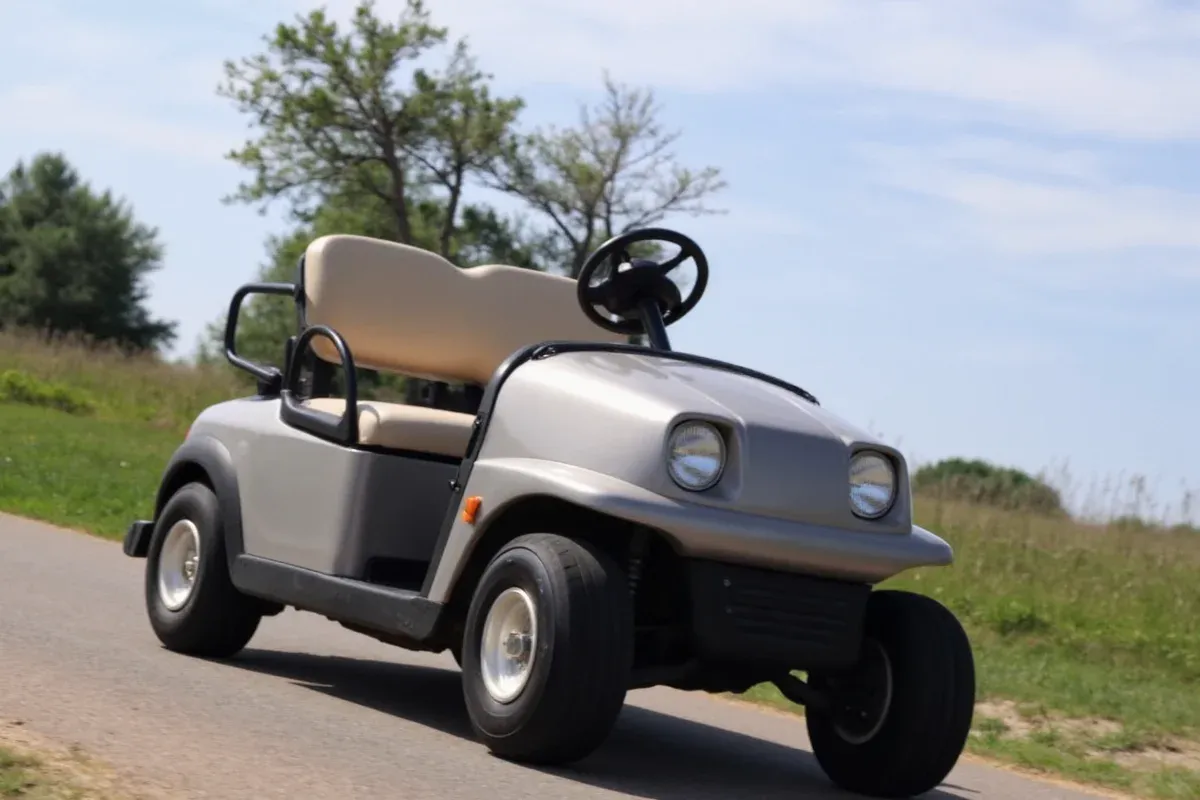
How Fast Can a Golf Cart Go? Top Speeds & Factors Explained
Golf carts typically reach speeds of 12 to 15 miles per hour (mph) in their standard factory configuration, though modified or high-performance models can achieve 20 to 30 mph depending on motor power, battery capacity, and terrain.
Understanding Standard Golf Cart Speeds
Most golf carts are designed with safety and utility in mind, not speed. As such, manufacturers limit the top speed to around 12–15 mph. This range is sufficient for moving between holes on a golf course and navigating residential communities or large properties.
Why Are Golf Carts Speed-Limited?
- Safety concerns on shared pathways and pedestrian areas
- Compliance with local low-speed vehicle (LSV) regulations
- Battery efficiency and motor longevity
- Reduced wear on tires and suspension systems
Factors That Influence Golf Cart Speed
Several variables affect how fast a golf cart can go beyond its base model specifications:
Motor Type and Power Output
Electric motors are rated in voltage (typically 36V or 48V), while gas-powered engines are measured in horsepower (HP). Higher voltage or HP results in greater acceleration and top speed.
Battery Capacity and Voltage (for Electric Models)
Upgrading from a 36V to a 48V system can increase both speed and range. Lithium-ion batteries also offer better performance compared to traditional lead-acid units.
Tire Size and Traction
Larger tires effectively increase ground clearance and distance traveled per rotation, boosting perceived speed. However, oversized tires without gearing adjustments may strain the motor.
Weight Load and Terrain
Heavier loads and uphill driving reduce maximum speed. Conversely, downhill travel or lighter payloads may allow brief bursts above the rated speed.
Modified vs Factory-Speed Golf Carts
Aftermarket modifications such as speed controllers, gear upgrades, and performance tires can push golf carts beyond factory limits. These changes often void warranties and may require registration if exceeding LSV thresholds (usually 25 mph).
| Model Type | Power Source | Average Top Speed (mph) | Acceleration (0–15 mph) | Range per Charge/Tank |
|---|---|---|---|---|
| Club Car Carryall | Gas (6.5 HP) | 14 | 7.2 seconds | Up to 30 miles |
| Yamaha Drive2 | Electric (48V) | 19 | 6.1 seconds | Up to 100 miles |
| E-Z-GO RXV | Electric (48V) | 15 | 8.0 seconds | Up to 80 miles |
| Custom Modified Cart | Electric (48V + Tuning) | 28 | 4.5 seconds | ~40 miles |
The data shows that electric models like the Yamaha Drive2 outperform standard gas carts in speed and efficiency. Modified versions achieve significantly higher velocities but sacrifice range and regulatory compliance. Performance gains come at the cost of increased maintenance and potential legal restrictions.
Legal and Safety Considerations
In many U.S. states, vehicles traveling faster than 20 mph may be classified as Low-Speed Vehicles (LSVs) and must meet federal safety standards (e.g., seat belts, lights, VIN). Operating a modified golf cart on public roads requires adherence to these rules.
- Speed limits for golf carts vary by state and municipality
- Insurance and registration may be required for carts over 20 mph
- Use of helmets is recommended for modified high-speed models
Frequently Asked Questions About Golf Cart Speeds
How fast does a typical electric golf cart go?
Most factory-produced electric golf carts have a top speed of 12 to 15 mph. High-end models like the Yamaha Drive2 can reach up to 19 mph under optimal conditions.
Can you make a golf cart go faster than 25 mph?
Yes, through modifications such as upgraded motors, speed controllers, and gear ratios, some golf carts can exceed 25 mph. However, doing so may classify them as LSVs or street-legal vehicles requiring registration and safety equipment.
Are gas or electric golf carts faster?
Modern 48V electric golf carts generally accelerate faster and maintain higher top speeds than comparable gas models. However, gas carts perform better over long durations and rough terrain without recharging concerns.
What is the fastest street-legal golf cart speed?
The maximum speed for street-legal low-speed vehicles, including golf carts, is typically capped at 25 mph in most U.S. jurisdictions. Exceeding this limit usually requires full vehicle registration and compliance with DMV standards.
Does tire size affect golf cart speed?
Yes, larger tires increase the distance traveled per wheel revolution, effectively raising speed. However, without adjusting the gear ratio, this can overload the motor and reduce overall efficiency and lifespan.
More Articles
 Who Invented Bowling? The True Origin Story
 What Channel Is Showing Super Bowl 2025?
 How Many Super Bowls Have the Buffalo Bills Won?
 How Old Is Golfer Justin Rose in 2025?
 When Did Cowboys Last Win Super Bowl? Facts & History
 How Much Does a Triple-A Baseball Player Make in 2025?
 Who Founded Judo? The Story of Jigoro Kano
 Where to Buy Golf Clubs: Best Retailers & Deals 2025
 Who Is the MLB Logo Batter? Answered
 Who Won the Super Bowl in 2015? Patriots Victory Explained