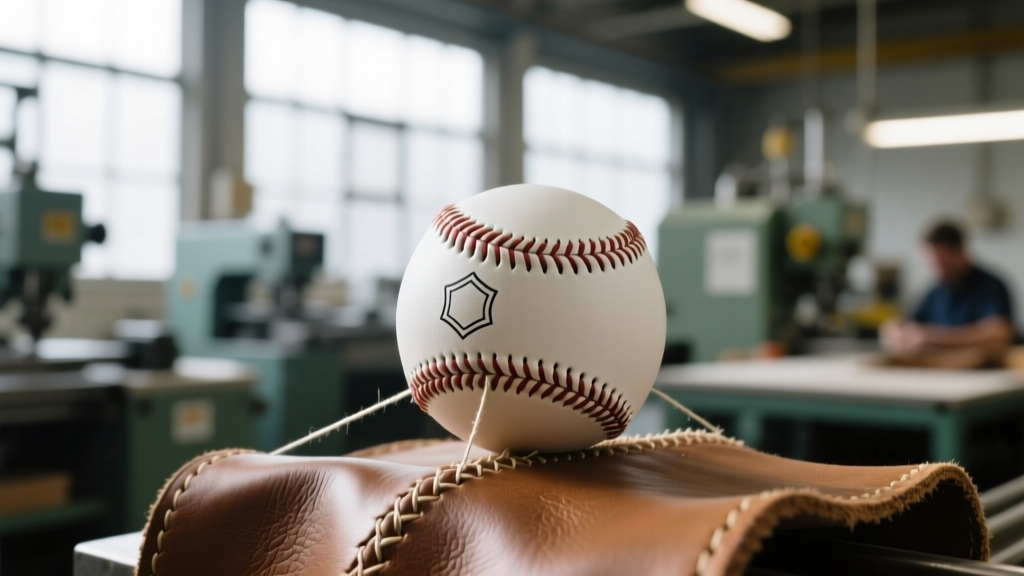
How Baseballs Are Made: Inside the Manufacturing Process
Baseballs are made through a precise, multi-layered manufacturing process involving a cork and rubber core, wrapped in layers of wool and cotton yarn, and stitched by hand with 108 stitches of red waxed thread using a figure-eight pattern. Each ball must meet strict MLB specifications for weight, circumference, and performance.
The Core Structure of a Baseball
The foundation of every baseball is its core, which determines the ball's resilience and bounce. The core is composed of a small sphere of cork surrounded by a layer of black rubber, with an additional outer layer of red rubber in official Major League Baseball (MLB) balls.
Core Components
- Cork center: Provides lightweight structure and initial rebound.
- Black rubber layer: Adds compression resistance.
- Red rubber coating (MLB only): Enhances liveliness and consistency.
This layered core ensures uniform performance across thousands of balls produced annually.
Yarn Wrapping Process
After the core is formed, it undergoes multiple layers of tightly wound yarn. This stage is critical for controlling the ball's feel, durability, and response upon impact.
Types of Yarn Used
- Wool yarn (first two layers): Offers elasticity and shock absorption.
- Cotton or polyester-cotton blend (outer layers): Adds tensile strength and shape retention.
The total yarn weight varies slightly between manufacturers but remains within tightly controlled tolerances to ensure consistent performance.
Leather Cover and Stitching
The outer shell of a baseball consists of two pieces of cowhide leather cut into a figure-eight shape. These are stitched together by hand using 108 double-stitches of red waxed thread, forming the iconic raised seams.
Stitching Details
- Each ball requires approximately 88 inches of thread.
- Skilled artisans use a horseshoe-style stitch pattern known as the figure-eight.
- The raised seam height affects aerodynamics and pitcher grip.
The leather is sourced from specially tanned cowhide, primarily from Tennessee, ensuring durability and water resistance.
Manufacturing Standards and Quality Control
All MLB-approved baseballs must adhere to exact specifications set by Major League Baseball. Rawlings has been the exclusive supplier since 1977, producing balls at its factory in Costa Rica.
| Specification | MLB Standard | Tolerance |
|---|---|---|
| Weight | 5.00 oz (141.75 g) | ± 0.125 oz |
| Circumference | 9.00–9.25 in (22.86–23.5 cm) | ± 1/8 inch |
| Diameter | 2.86–2.94 in (7.26–7.47 cm) | ± 0.04 in |
| Seam Height | 0.044 in (1.12 mm) | ± 0.004 in |
| Compression Test | Min. 10 lb/in² | ± 0.5 lb/in² |
| Rebound Efficiency | 54–57% | ± 1.5% |
The data shows that MLB baseballs are engineered to extremely tight tolerances, especially in rebound efficiency and seam height, both of which directly influence pitching dynamics and batted-ball outcomes. Even minor deviations can affect game performance, highlighting the importance of precision manufacturing. Consistency across batches supports fair play and statistical comparability.
Variations Across Leagues
While MLB uses the highest-grade specification, other leagues use modified versions:
- NCAA baseballs: Similar construction but may use synthetic covers.
- High school and youth leagues: Often feature reduced-wind cores for lower velocity and cost. \li>Softcore training balls: Designed for safety, with foam or rubber cores.
These variations balance performance, safety, and budget requirements across different levels of play.
Frequently Asked Questions About How Baseballs Are Made
How many stitches are on a baseball?
A regulation baseball has exactly 108 double-stitches, made by hand using red waxed thread. This creates the distinctive raised seam that influences pitch movement and player grip.
What materials are used to make a baseball?
A baseball contains a cork-rubber core, layers of wool and cotton yarn, and a cowhide leather cover. The thread used for stitching is red waxed polyester-cotton blend for durability and visibility.
Who manufactures official MLB baseballs?
Rawlings has been the exclusive manufacturer of official MLB baseballs since 1977. They are produced in Costa Rica under strict quality control protocols monitored by MLB officials.
Why do baseballs have red stitches?
The red stitches provide high visual contrast against the white leather and green fields, helping batters track the ball. The color became standard in the early 20th century for visibility and tradition.
How long does it take to make one baseball?
It takes approximately 12–15 minutes of skilled handwork to wrap, cover, and stitch a single baseball. Including drying, curing, and inspection, the full production cycle per ball spans several hours.
More Articles
 Rugby Invented in 1823: The True Origin Story
 Why Are There 18 Holes in Golf? History Explained
 Where to Watch Wrestling in 2025 – Full Guide by Promotion
 Don Zimmer Baseball Career and Legacy
 Super Bowl Schedule: How Often Does It Happen?
 Who Won Super Bowl 2002? Patriots Victory Over Rams
 How Long Do Baseball Games Last? (2025 Data)
 How Many Super Bowl Rings Does Tom Brady Have?
 What Baseball Cards Are Most Valuable in 2025?
 How Many Super Bowls Have the Packers Won? (Updated 2025)