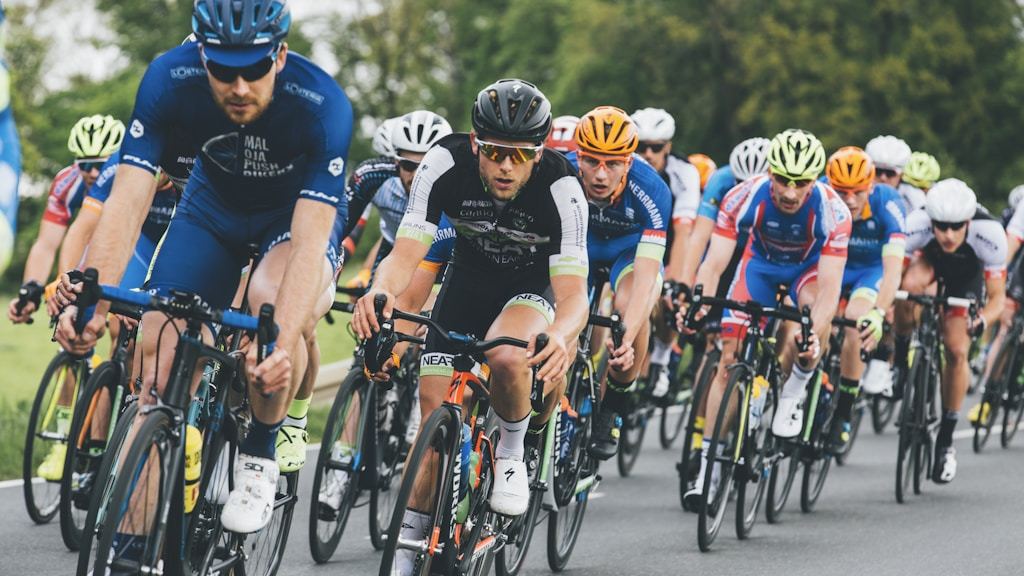
What Muscles Does Freestyle Swimming Work?
Freestyle swimming is one of the most effective full-body workouts, engaging major muscle groups across the upper body, core, and lower body. The primary muscles worked include the deltoids, latissimus dorsi, triceps, pectorals, core stabilizers (transverse abdominis, obliques), glutes, quadriceps, and hamstrings. This stroke emphasizes propulsion from the upper body while maintaining continuous kicking and core engagement for stability and streamlined movement.
Primary Muscles Targeted in Freestyle Swimming
Freestyle, or front crawl, relies heavily on coordinated upper-body pulling motions and a steady flutter kick. Each phase of the stroke activates specific muscle groups essential for speed, endurance, and efficiency in the water.
Upper Body Muscle Engagement
- Deltoids: These shoulder muscles power the recovery and entry phases of the arm stroke.
- Latissimus Dorsi: Often called "lats," these large back muscles drive the underwater pull, generating forward propulsion.
- Pectorals (Pecs): Assist in the inward and downward arm motion during the catch and pull phases.
- Triceps: Extend the elbow during the push phase, contributing to powerful arm extension beneath the surface.
- Trapezius and Rhomboids: Stabilize the scapulae and support shoulder retraction during the stroke cycle.
Core Muscles Activated During Freestyle
The core plays a critical role in maintaining body alignment and transferring force between the upper and lower body.
- Rectus Abdominis: Engaged during body rotation to stabilize the torso.
- Obliques (Internal & External): Facilitate rotational movement with each stroke, improving reach and reducing drag.
- Transverse Abdominis: Acts as a natural corset, stabilizing the spine and pelvis throughout the swim.
Lower Body Contribution in Freestyle
While less dominant than the upper body, the legs provide crucial balance and contribute to overall propulsion.
- Gluteus Maximus: Activated during hip-driven flutter kicks, especially at higher intensities.
- Quadriceps: Extend the knee during the downbeat of the kick.
- Hamstrings: Control knee flexion during the upbeat phase of the flutter kick.
- Calves (Gastrocnemius and Soleus): Aid in ankle plantarflexion, enhancing kick efficiency.
Muscle Activation Levels by Stroke Phase
Different phases of the freestyle stroke elicit varying degrees of muscle recruitment. Understanding this helps swimmers optimize technique and training focus.
| Muscle Group | Catch Phase (%) | Power Phase (%) | Recovery Phase (%) | Overall Activation (%) |
|---|---|---|---|---|
| Latissimus Dorsi | 65 | 90 | 40 | 85 |
| Pectoralis Major | 60 | 75 | 30 | 70 |
| Deltoid (Anterior) | 50 | 60 | 70 | 60 |
| Triceps Brachii | 55 | 80 | 40 | 75 |
| Rectus Abdominis | 45 | 50 | 40 | 45 |
| External Oblique | 50 | 65 | 55 | 57 |
| Gluteus Maximus | 35 | 45 | 30 | 37 |
| Quadriceps | 40 | 50 | 35 | 42 |
The data shows that the latissimus dorsi and triceps exhibit the highest overall activation, particularly during the power phase of the stroke. Core muscles like the external obliques maintain moderate-to-high activity throughout the cycle, reflecting their role in rotational stability. Lower-body muscles show lower average activation but remain functionally important for balance and propulsion in elite swimmers.
How Freestyle Builds Functional Strength and Endurance
Unlike isolated weight training, freestyle swimming promotes muscular endurance through dynamic, multi-joint movements. The continuous nature of the stroke increases time under tension, enhancing both aerobic capacity and neuromuscular coordination.
Benefits of Full-Body Muscle Recruitment
- Improves joint stability and reduces injury risk through balanced muscle development.
- Enhances metabolic demand, leading to higher calorie burn and fat loss.
- Builds lean muscle mass without excessive hypertrophy, ideal for endurance athletes.
- Promotes symmetry when bilateral breathing and technique are properly executed.
Tips to Maximize Muscle Engagement
- Focusing on a high elbow catch increases lat and rear delt activation.
- Incorporating paddles can amplify resistance and upper-body muscle recruitment.
- Using a pull buoy isolates the upper body, allowing concentrated work on pulling mechanics.
- Increasing kick intensity engages glutes and quads more effectively.
- Practicing bilateral breathing ensures even muscle development across both sides.
Common Questions About Freestyle Swimming Muscles Worked
Does freestyle swimming build chest muscles?
Yes, freestyle swimming significantly engages the pectoralis major, especially during the catch and pull phases. While it may not build size like weightlifting, it enhances muscular endurance and definition over time.
Why do my shoulders hurt when swimming freestyle?
Shoulder pain often results from overuse, poor stroke mechanics, or weak rotator cuff muscles. Ensuring proper hand entry, avoiding cross-over, and strengthening the scapular stabilizers can reduce injury risk.
Is freestyle good for abs?
Abs are actively engaged during freestyle to stabilize the torso and control rotation. While not a direct ab workout like crunches, consistent freestyle swimming strengthens deep core muscles for improved posture and performance.
Which swimming stroke works the most muscles?
Butterfly typically recruits the most muscle groups due to its explosive nature, but freestyle is the most efficient full-body stroke for sustained effort and balanced development across upper and lower limbs.
Can freestyle swimming help tone arms?
Absolutely. The repetitive pulling motion targets the triceps, deltoids, and lats, helping to tone and strengthen the arms over time, especially when combined with resistance tools like paddles.
More Articles
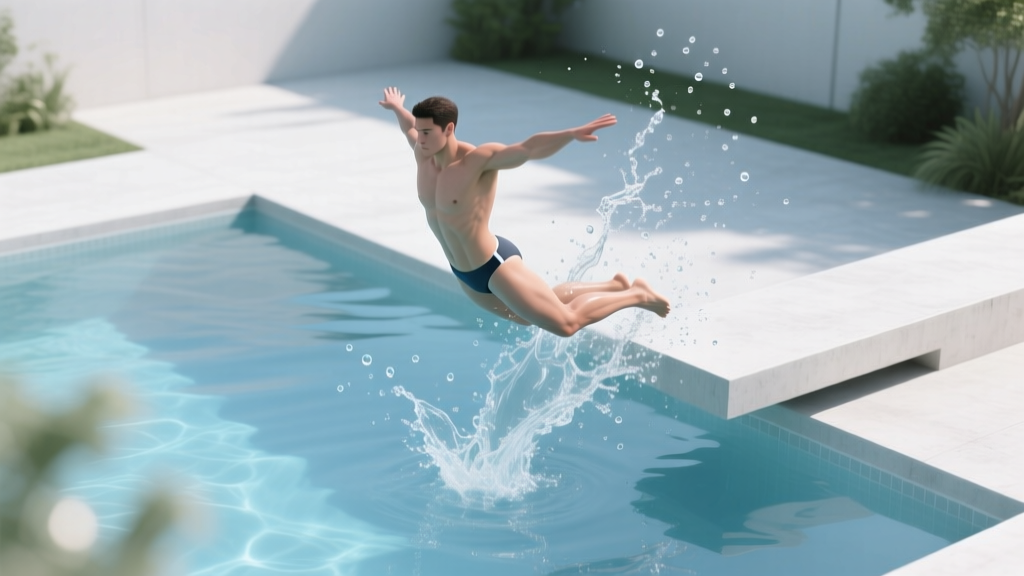 How High Can You Jump Into Water Safely?
 How to Fix Team Performance Issues
 How Deep Is a Water Polo Pool? Official Depth Explained
 How Many Laps Is 1500 Meters in Olympic Swimming?
 Where Was Ice Hockey Invented? The True Origin
 How Much Water Is in an Olympic-Sized Swimming Pool?
 7 Alternatives to Game UK for Gaming Hardware in 2026
 How Long Are Field Hockey Games? Full Timing Breakdown
 How High Can a Kangaroo Jump? Up to 10 Feet!
 Shot Put Weight: Official Weights by Level (2026)