
Best Sports for Weight Loss: 10 High-Calorie-Burning Activities Ranked
Why Sports Are Better Than the Gym for Weight Loss
While treadmills and ellipticals have their place, playing sports offers distinct advantages for weight loss. Sports combine cardiovascular exercise with interval-style effort, engage multiple muscle groups simultaneously, and — most importantly — they're fun. When exercise feels like play rather than punishment, adherence improves dramatically. Research consistently shows that people who enjoy their physical activity are significantly more likely to maintain it long-term.
This guide ranks 10 sports by their calorie-burning potential, factoring in intensity, muscle engagement, and accessibility. All calorie estimates are based on a 175-pound (80 kg) person exercising at moderate-to-vigorous intensity.
1. Boxing: 800-1,000 Calories/Hour
Boxing tops the list because it combines high-intensity cardiovascular work with full-body muscular engagement. A boxing session involves constant movement — footwork, punching combinations, defensive movements, and core rotation — that keeps your heart rate elevated and your muscles working.
Why it burns so much: Boxing is essentially high-intensity interval training (HIIT) disguised as a sport. The combination of anaerobic bursts (punching combinations) and aerobic recovery (footwork and movement) creates an afterburn effect (EPOC — excess post-exercise oxygen consumption) that continues burning calories for hours after the session.
Accessibility: Boxing gyms are widely available. You don't need to spar — bag work, pad work, and shadow boxing all provide excellent calorie burn without the risk of injury from contact.
Getting started: Join a boxing fitness class or find a local gym. Basic equipment needed: hand wraps and boxing gloves ($30-50 total).
2. Swimming: 700-900 Calories/Hour
Swimming is a full-body workout that engages virtually every major muscle group. Water provides 12 times the resistance of air, making every movement a strength exercise as well as cardiovascular work. The butterfly stroke burns the most calories (up to 900/hour), while freestyle at a moderate pace burns approximately 700.
Why it burns so much: Water resistance works your muscles in all directions, and the thermoregulation cost of maintaining body temperature in cooler water adds to the calorie expenditure. Swimming also has zero impact on joints, making it ideal for overweight individuals or those with joint issues.
Accessibility: Public pools, YMCA facilities, and community centers offer affordable access. Many offer lap swim times and structured classes.
Getting started: Start with 20-30 minutes of freestyle swimming, gradually increasing duration. Consider taking a stroke technique class to improve efficiency.
3. Running (Competitive/Sprints): 700-900 Calories/Hour
Running at a vigorous pace (7-8 mph or faster) burns more calories per hour than almost any other aerobic activity. Sprint intervals push this even higher. The beauty of running is its simplicity — no equipment beyond good shoes, no gym membership required.
Why it burns so much: Running requires you to move your entire body weight against gravity with every stride. The higher the speed, the greater the energy cost. Interval training (alternating sprints with jogging) can boost calorie burn by 20-30% compared to steady-state running.
Accessibility: Excellent. Running requires minimal equipment and can be done anywhere. Trails, tracks, and roads all work.
Getting started: If you're new to running, start with a walk-run program (Couch to 5K). Build up to 30 minutes of continuous running before adding speed work.
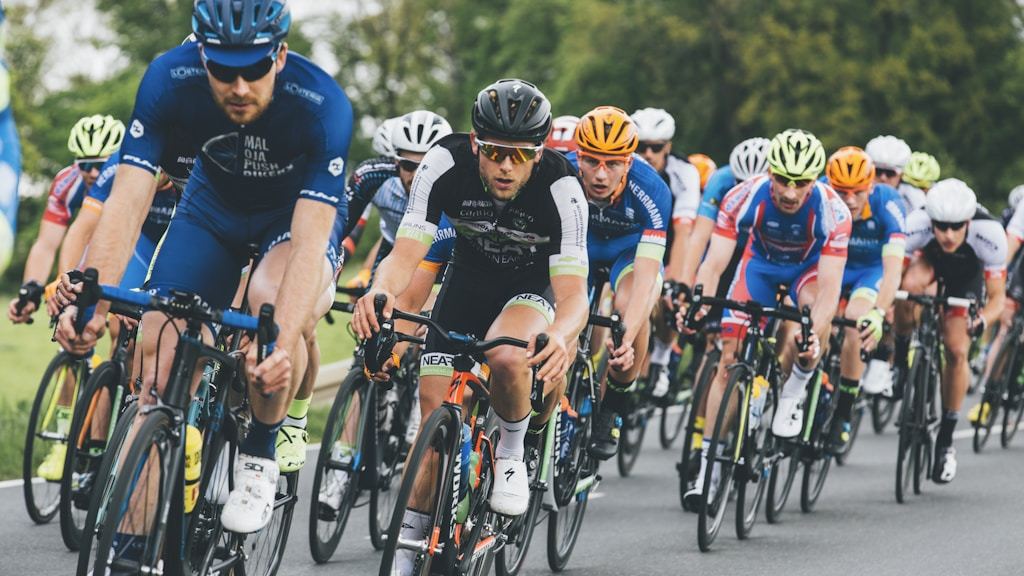
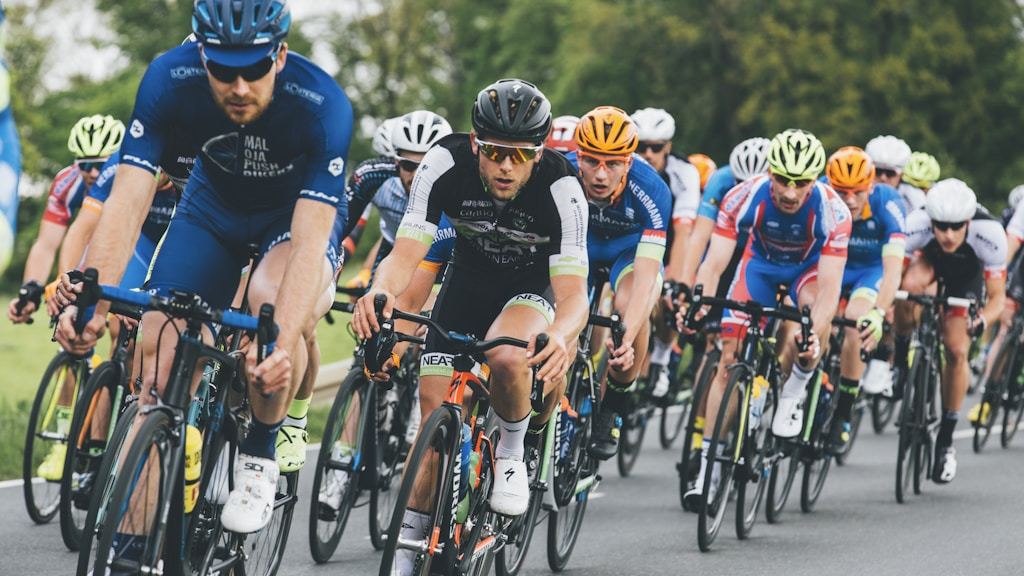
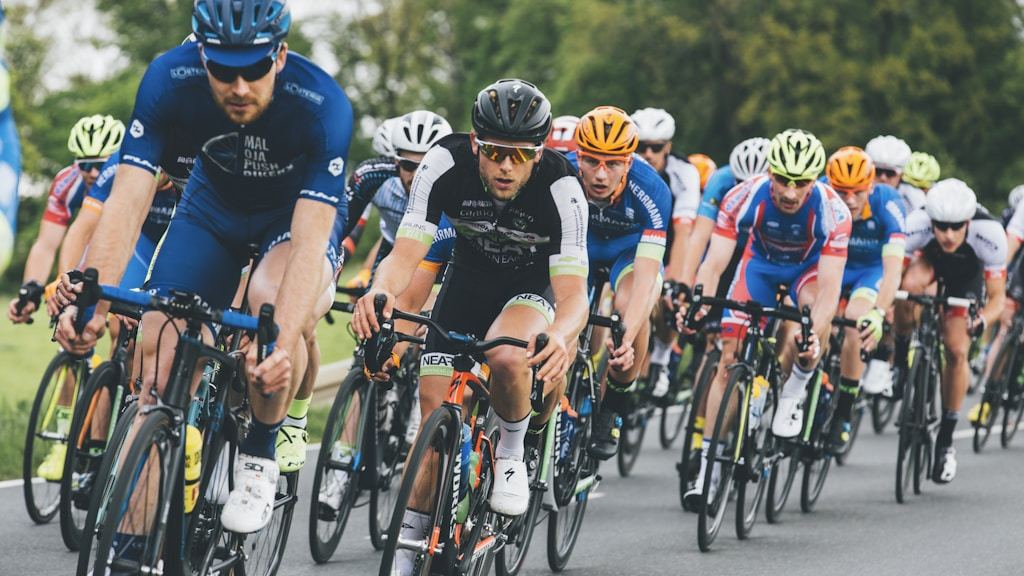
4. Cycling (Vigorous): 600-850 Calories/Hour
Cycling at a vigorous pace (16-19 mph or competing) burns substantial calories while being gentler on the joints than running. The calorie burn depends heavily on intensity — leisurely cycling burns only 300-400 calories/hour, while competitive cycling or intense spin classes can exceed 800.
Why it burns so much: Cycling engages the largest muscle groups in the body (quadriceps, glutes, hamstrings) continuously. These large muscles require significant energy, driving up calorie expenditure. Hill climbing and sprinting add anaerobic components that boost the afterburn effect.
Accessibility: Good. A decent road or hybrid bike costs $500-1,500, but indoor cycling classes and stationary bikes provide alternatives at lower cost.
Getting started: Start with 30-minute rides at a comfortable pace, gradually increasing distance and intensity. Indoor spin classes are excellent for building fitness in a controlled environment.
5. Soccer: 600-800 Calories/Hour
Soccer is a natural interval sport. Players alternate between jogging, sprinting, walking, and explosive movements throughout a 90-minute match. This variation keeps the heart rate in the optimal fat-burning zone while providing anaerobic challenges during sprints.
Why it burns so much: The constant changes in direction and pace engage stabilizer muscles and require frequent acceleration and deceleration, both of which are energy-expensive. A competitive soccer match involves 6-8 miles of running with 100-200 high-intensity sprints.
Accessibility: Excellent. Pickup games are available in most communities, and you only need cleats and shin guards.
Getting started: Join a recreational league or find pickup games at local parks. Start with shorter sessions (30-45 minutes) and build up to full matches.
6. Rowing: 600-800 Calories/Hour
Rowing is one of the most complete exercises available, engaging 86% of the body's muscles in every stroke. The combination of leg drive, core engagement, and upper body pulling creates a high calorie burn with minimal joint stress.
Why it burns so much: Rowing requires simultaneous effort from the legs (60% of the power), core (30%), and arms (10%). This full-body recruitment means more muscle fibers are active, requiring more energy. The rhythmic nature also allows sustained high-intensity effort.
Accessibility: Moderate. Rowing machines (ergometers) are available at most gyms. On-water rowing requires club membership and access to a boat, which is more expensive.
Getting started: Use a rowing machine at your gym. Focus on proper technique (legs-core-arms sequence) before increasing intensity. Start with 15-20 minute sessions.
7. Basketball: 550-750 Calories/Hour
Basketball combines sprinting, jumping, lateral movement, and constant direction changes into a high-calorie-burning package. A full-court game is significantly more demanding than half-court, but both provide excellent exercise.
Why it burns so much: The multi-directional movement pattern engages stabilizer muscles that are often neglected in linear exercises like running. Jumping adds a plyometric component that builds power and burns extra calories. The game-like nature means you often don't realize how hard you're working.
Accessibility: Excellent. Public courts are available in most communities, and pickup games are easy to join.
Getting started: Find local pickup games or join a recreational league. Start with half-court games and progress to full-court as your fitness improves.
8. Tennis: 500-700 Calories/Hour
Singles tennis is a demanding cardiovascular workout that combines sprinting, lateral movement, and explosive directional changes. The intermittent nature (short bursts of effort followed by brief recovery) mimics interval training.
Why it burns so much: Tennis requires rapid acceleration and deceleration in multiple directions, engaging the legs, core, and upper body simultaneously. A competitive singles match can involve 300-500 sprints over 1-3 hours.
Accessibility: Good. Public courts are widely available, though equipment (racket, balls, court shoes) requires a modest investment ($100-200).
Getting started: Take a few lessons to learn basic strokes, then find hitting partners or join a recreational league. Doubles is less intense but still provides good exercise.
9. Martial Arts (Mixed): 500-700 Calories/Hour
Martial arts training — including karate, judo, taekwondo, and mixed martial arts — combines cardiovascular conditioning, strength training, and flexibility work. The variety of movements and the mental engagement make it an excellent calorie-burning activity.
Why it burns so much: Martial arts training typically includes warm-up conditioning (push-ups, burpees, jumping jacks), technique drills (kicking, punching, grappling), and sparring. The combination of aerobic and anaerobic work keeps the metabolism elevated.
Accessibility: Good. Martial arts schools are common in most communities, with monthly fees typically $100-200.
Getting started: Try a few introductory classes at different schools to find a style and instructor you enjoy. Most schools offer free trial classes.
10. Hiking (Vigorous/Uphill): 450-650 Calories/Hour
Vigorous hiking, especially on steep terrain with a loaded backpack, burns significant calories while providing mental health benefits from time in nature. The uneven terrain engages stabilizer muscles and the elevation gain adds a strength component.
Why it burns so much: Hiking uphill is essentially sustained stair climbing with added weight (backpack) and uneven terrain. The combination of cardiovascular effort and muscular strength work creates substantial calorie expenditure. A 10% grade increases calorie burn by approximately 40% compared to flat walking.
Accessibility: Excellent if you live near trails. Hiking requires minimal equipment — good shoes, water, and appropriate clothing.
Getting started: Start with shorter, easier trails and gradually increase distance and elevation gain. Apps like AllTrails help you find appropriate routes near you.
Maximizing Weight Loss Through Sports
Regardless of which sport you choose, these principles maximize weight loss:
- Consistency over intensity: 3-4 sessions per week of moderate effort beats one extreme session. Build a sustainable routine.
- Progressive overload: Gradually increase duration, intensity, or frequency as your fitness improves. Your body adapts and becomes more efficient, so you need to challenge it progressively.
- Combine with nutrition: Exercise alone rarely produces significant weight loss. Pair your sport with a modest calorie deficit (300-500 calories/day) for optimal results.
- Include rest days: Overtraining leads to injury and burnout. Allow 1-2 rest days per week for recovery.
- Track your progress: Use a fitness tracker or app to monitor calorie burn, distance, and other metrics. Seeing improvement motivates continued effort.
Final Thoughts
The best sport for weight loss is the one you'll actually do consistently. While boxing and swimming top the calorie-burning charts, a sport you enjoy and can sustain for months and years will always outperform one you abandon after two weeks. Try several activities, find what you love, and commit to regular participation. The weight loss will follow.
More Articles
 How Fast Can Racewalkers Walk? Elite Speeds Revealed
 Where Can I Rent Jet Skis Near Me? Top Spots & Tips
 How Many Seats Per Row in Yankee Stadium?
 Comfortable Water Temp for Swimming: Ideal Range Explained
 Can Cows Swim? Yes, Here's How and Why
 Fastest Jet Ski in the World: Top Speeds & Models
 Will Ferrell Ice Skating: Truth Behind Blades of Glory
 When Do Ice Skating Rinks Close? Hours & Seasons Explained
 Where to Watch MotoGP Live in 2025 – Global Guide
 What Swimming Pools Are Open Now? Find Nearby Access