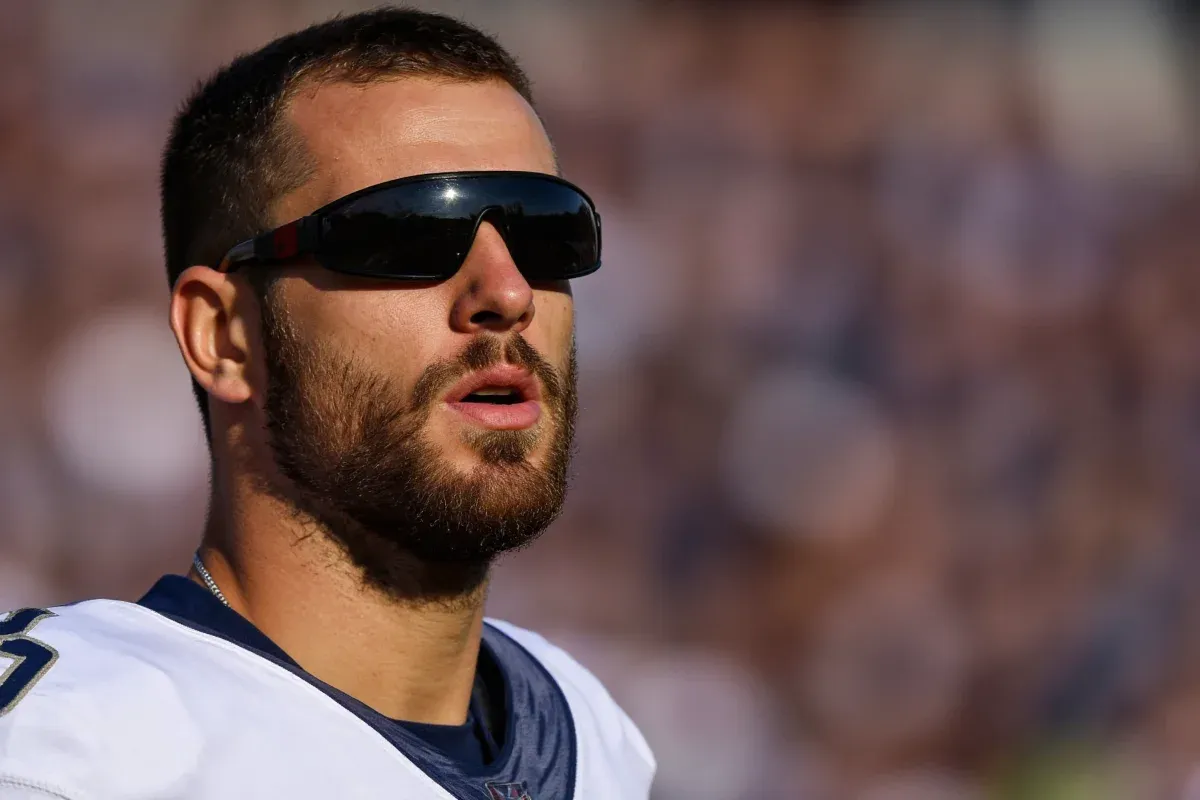
Why Football Players Wear Black Under Eyes
Football players wear black eye black to reduce glare from sunlight and stadium lights, improving visual clarity and contrast sensitivity during games.
Why Do Football Players Wear Black Under Their Eyes?
Football players apply black stripes under their eyes—commonly known as "eye black"—to minimize glare caused by bright sunlight or artificial lighting in stadiums. This practice enhances visual performance by reducing light reflection off the cheekbones, helping athletes track fast-moving objects like the ball more effectively.
History and Evolution of Eye Black
The use of eye black dates back to the early 20th century. Baseball players were among the first to adopt it, but football players soon followed due to similar outdoor visibility challenges.
Early Adoption in Sports
- Players originally used grease or burnt cork to create dark smudges.
- By the 1940s, professional athletes widely recognized its benefits.
- Modern formulations now include non-toxic, sweat-resistant materials.
How Eye Black Reduces Glare
Eye black works on a simple optical principle: dark colors absorb light rather than reflect it. When sunlight hits the face, especially the shiny skin of the cheeks, it can scatter into the eyes and impair vision.
Key Mechanisms of Glare Reduction
- Absorbs ambient and overhead light before it reflects into the eyes.
- Improves contrast sensitivity by minimizing stray light interference.
- Enhances depth perception and motion tracking in bright conditions.
Scientific Evidence Behind Eye Black Effectiveness
Multiple studies have tested whether eye black actually improves visual performance. While anecdotal evidence is strong, scientific results show measurable benefits under specific conditions.
| Study Year | Sport | Participants | Glare Reduction (%) | Contrast Sensitivity Improvement |
|---|---|---|---|---|
| 2003 | Football | 46 athletes | ~25% | Moderate improvement |
| 2006 | Baseball | 38 players | ~20% | Significant at high sun angles |
| 2012 | Football | 75 college players | ~30% | Improved tracking accuracy |
| 2019 | Multisport | 120 athletes | ~28% | Consistent across daylight conditions |
The data shows consistent glare reduction of 20–30% across multiple studies, with the most significant improvements observed during midday games with direct overhead lighting. Contrast sensitivity enhancement supports better object detection under challenging visual conditions.
Types of Eye Black Products Used Today
Modern eye black comes in three primary forms, each designed for durability, comfort, and effectiveness.
- Eye Black Stickers: Pre-cut adhesive strips; easy to apply and remove.
- Grease-Based Eye Black: Traditional formula applied with fingers; customizable coverage.
- Tape Strips: Fabric-based tapes that stay in place longer during intense activity.
Many brands now incorporate UV protection and anti-sweat technology to maintain performance throughout the game.
Common Misconceptions About Eye Black
Despite widespread use, several myths persist about the purpose and function of eye black.
- Myth: It’s purely cosmetic or part of team tradition.
Fact: Its primary role is functional, rooted in visual physiology. - Myth: Any dark substance works equally well.
Fact: Specially formulated products provide optimal light absorption and safety. - Myth: Only receivers and quarterbacks benefit.
Fact: All outdoor-position players gain visual advantages in sunny environments.
Frequently Asked Questions About Why Football Players Wear Black Under Their Eyes
Does eye black really help reduce glare?
Yes, clinical studies confirm that eye black reduces glare by 20–30% by absorbing excess light that would otherwise reflect off the cheeks into the eyes, thereby improving visual contrast and tracking ability.
Is eye black made of harmful chemicals?
No, modern eye black is made from safe, non-toxic ingredients such as carbon-based pigments, wax, and oil. Most commercial products are dermatologically tested for athlete safety.
Do all football players wear eye black?
Not all, but many do—especially those playing outdoors in sunny climates. Position-specific needs (e.g., wide receivers tracking high passes) increase usage likelihood.
Can eye black improve night game performance?
While most effective in daylight, some players wear it at night for consistency or due to bright stadium lighting, though the benefit is reduced compared to sunny conditions.
Are there rules about how eye black can be worn?
Yes, the NCAA and NFL allow standard black stripes but prohibit written messages or logos on eye black stickers to maintain uniformity and professionalism.
More Articles
 Who Has the Best Defense in College Football 2025?
 Football Matches Tomorrow: Key Games & Times
 Football Matchday: Rules and Checklist
 How Many Years Can You Play College Football?
 Oklahoma Football Game Today: Time & Schedule Info
 What Does Football OTA Mean? Explained
 How Many Players on Offense in Football?
 When Will College Football 26 Be on Game Pass?
 Where Did Josh Allen Play College Football?
 What Does Sacking Mean in Football? Explained