
How Much Are College Football Players Getting Paid in 2025?
College football players can now earn money through name, image, and likeness (NIL) deals, though they do not receive direct salaries from universities. As of 2025, top players earn six to seven figures annually, while most earn modest amounts or nothing at all.
Understanding NIL Compensation in College Football
Since July 2021, NCAA rules have allowed college athletes to profit from their name, image, and likeness (NIL). This landmark policy shift ended decades of restrictions, enabling student-athletes to sign endorsement deals, promote brands on social media, appear at events, and launch businesses—provided they comply with state and school regulations.
Unlike professional leagues, there is no standardized salary structure in college football. Players are not paid by their schools for playing, but rather earn income independently through third-party agreements. Earnings vary widely based on marketability, performance, social media presence, and team visibility.
Key Factors Influencing NIL Earnings
- Position and Performance: Quarterbacks and star skill-position players typically command higher NIL valuations.
- School Market Size: Athletes at major programs (e.g., Alabama, Ohio State, Texas) benefit from national exposure.
- Social Media Following: Players with large platforms on Instagram, TikTok, or X (Twitter) attract more brand deals.
- Conference and State Laws: Some states offer greater NIL flexibility and tax advantages.
- Collectives: Team-specific fundraising groups that connect athletes with donors and sponsors play a crucial role.
NIL Earnings by Player Tier
While only a small percentage of college football players earn substantial NIL income, the top tier has seen remarkable payouts. Below is a breakdown of estimated annual earnings across different performance levels as of the 2024–2025 season.
| Player Tier | Average Annual NIL Earnings | Examples | Primary Income Sources |
|---|---|---|---|
| Elite National Stars | $800,000 – $2,500,000+ | Dillon Gabriel (Oregon), Jayden Daniels (LSU, 2023) | Brand endorsements, collectives, appearances, content creation |
| Starter-Level (Power 4) | $50,000 – $200,000 | Starting WRs, LBs at major programs | Local sponsorships, collective stipends, social promotions |
| Role Players / Bench (FBS) | $5,000 – $25,000 | Backup QBs, special teams contributors | Small local deals, affiliate marketing, autograph sessions |
| FCS and Lower Division | $1,000 – $10,000 | Players at mid-major or smaller schools | Limited collective support, personal ventures |
| No NIL Earnings | $0 | Majority of players | N/A |
The data shows a stark income disparity: while elite quarterbacks at top programs can earn over $2 million per year, the vast majority of college football players receive little or no NIL compensation. Collectives and institutional support heavily influence earning potential, especially in Power 4 conferences.
How NIL Deals Work in Practice
NIL compensation is not a paycheck from the university. Instead, it involves legal agreements between athletes and external entities such as:
- Local businesses (car dealerships, restaurants, real estate agencies)
- National brands (Nike, Gatorade, Meta)
- Fan-based collectives that pool donations to fund athlete promotions
- Content platforms like Cameo, Opendorse, or OnlyFans (within platform rules)
Compliance and Restrictions
Despite the freedom, athletes must adhere to guidelines including:
- Reporting NIL income to their institution
- Avoiding pay-for-play arrangements (i.e., payment tied directly to performance metrics)
- Not using school logos or trademarks without permission
- Following state-specific regulations where applicable
Are College Football Players Employees?
As of 2025, college football players are generally not considered employees of their universities, though this status is under legal scrutiny. Several states—including California and Colorado—have passed laws recognizing certain college athletes as workers entitled to benefits. The NCAA faces ongoing lawsuits challenging its amateurism model, which could lead to direct salaries in the future.
If reclassified as employees, athletes could gain access to minimum wage guarantees, health benefits, and union representation—potentially transforming the collegiate sports landscape.
Frequently Asked Questions About College Football Player Pay
Do college football players get paid by their schools?
No, colleges do not pay football players salaries for playing. However, athletes may receive full scholarships covering tuition, room, board, and books. Additionally, through NIL deals, players can earn significant income from external sources like sponsorships and endorsements.
How much does the average college football player make from NIL?
The average NIL payout varies significantly by conference and school. According to 2024 data, the average Power 5 starter earns around $50,000–$75,000 annually, but over 70% of college football players earn less than $5,000—or nothing—from NIL deals.
Who are the highest-paid college football players?
In 2024, top earners included Oregon quarterback Dillon Gabriel (estimated $2.5M), former LSU QB Jayden Daniels ($2.3M), and USC’s Caleb Williams ($2.1M). These athletes leveraged national fame, strong social media followings, and robust collective support.
What are collectives in college football?
Collectives are independent organizations affiliated with a school that raise funds from alumni and donors to support athletes’ NIL activities. They facilitate compensation by connecting players with promotional opportunities, often in exchange for appearances, social media posts, or community engagement.
Will college football players ever receive salaries?
There is growing momentum toward compensating athletes as employees. Legal rulings, state legislation, and public pressure may eventually lead to direct salaries. While not currently standard, some experts predict employee classification could become widespread by 2030, fundamentally changing college athletics.
More Articles
 How Many National Championships Does Texas Football Have?
 Who Are Playing Football Tomorrow? Key Matches Oct 25
 Real Basketball Essentials: Gear, Rules, and Training Fundamentals That Actually Matter
 Don Meredith Football Career and Legacy
 Georgia Football National Championships: How Many?
 Where Did Football Originate? The True Birthplace Revealed
 What Does a Lineman Do in Football? Roles Explained
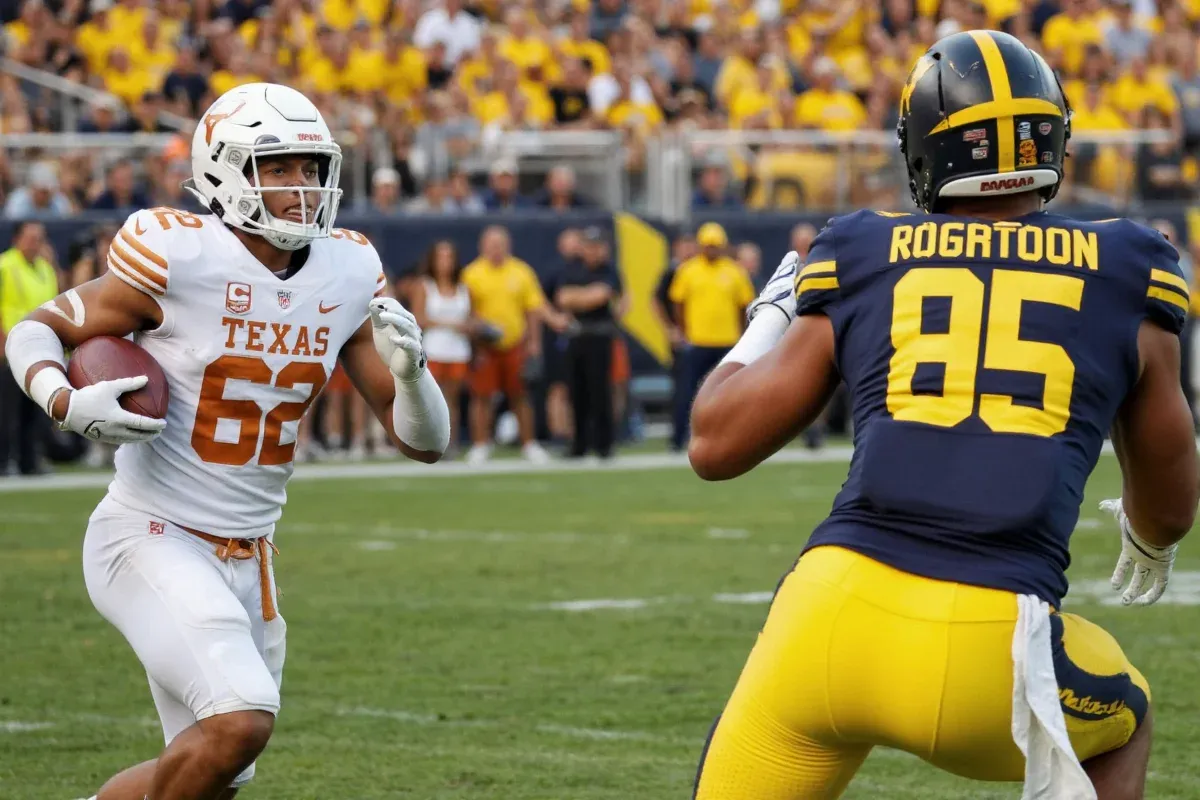 Where to Watch Texas vs Michigan Football 2025 Playoff Game
 Where Is Aston Villa Football Club Located?
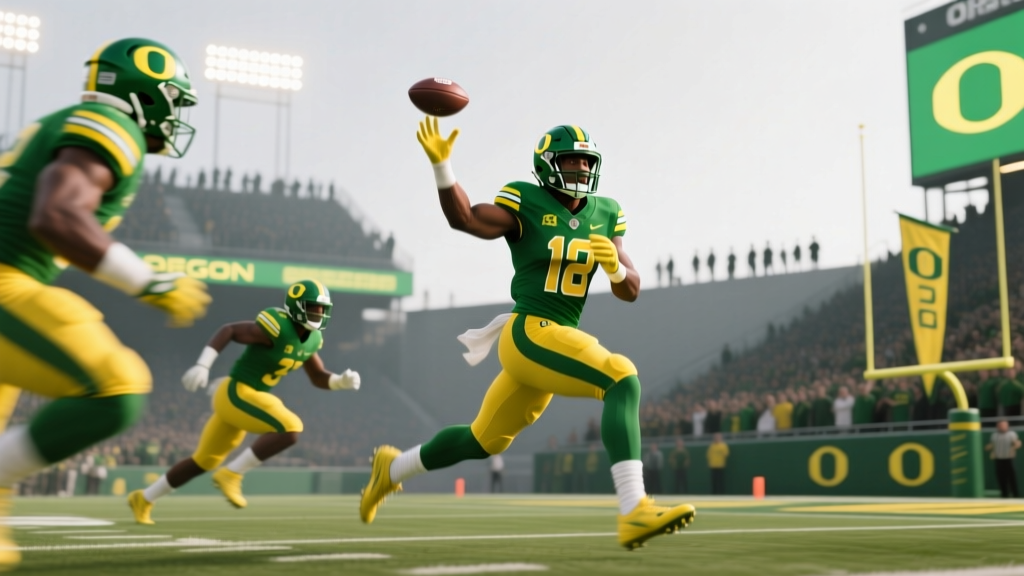 What Channel Is Oregon Ducks Football On Today?