Where Is Arsenal Football Club Located? Full Guide
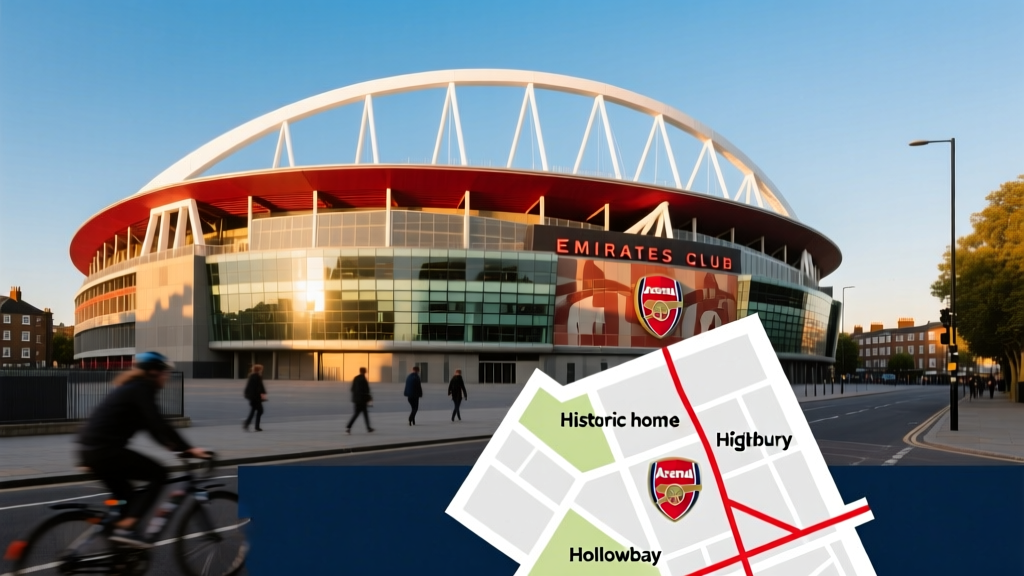
Arsenal Football Club is located in Holloway, North London, England, at Emirates Stadium, which has been their home ground since 2006.
Where Is Arsenal Football Club Based?
Arsenal Football Club is based in the Holloway area of North London, United Kingdom. The club moved to this location in 2006 after leaving their historic Highbury Stadium, transitioning to the state-of-the-art Emirates Stadium, which stands just a few hundred meters north of Highbury.
Emirates Stadium: Arsenal's Modern Home
Commonly referred to as the Emirates for sponsorship reasons, the stadium is officially known as Ashburton Grove. It serves as the centerpiece of Arsenal’s matchday and commercial operations.
Key Features of Emirates Stadium
- Capacity: Over 60,000 seats, making it one of the largest clubs in the Premier League
- Opened: July 2006
- Construction Cost: Approximately £390 million
- Design: Designed by renowned architect Sir Norman Foster
- Accessibility: Served by multiple London Underground lines, including the Piccadilly Line (Arsenal Station)
Historical Context: From Woolwich to Highbury to Emirates
Arsenal’s journey reflects the evolution of English football. Originally founded in Woolwich, South East London in 1886 as Royal Arsenal, the club relocated to Highbury in 1913 to improve financial viability and accessibility. Highbury became an iconic venue until the move to Emirates Stadium in 2006 due to capacity constraints.
Milestones in Arsenal’s Location History
- 1886–1913: Based in Woolwich as Royal Arsenal / Woolwich Arsenal
- 1913–2006: Played at Highbury Stadium, Islington
- 2006–Present: Emirates Stadium, Ashburton Grove, Holloway
Stadium and Surrounding Area
The Emirates Stadium is situated in the London Borough of Islington. The surrounding neighborhood has undergone significant redevelopment to accommodate fans and boost local commerce on matchdays.
What Fans Can Experience Near Emirates Stadium
- Arsenal Museum – showcases club history, trophies, and memorabilia
- Arsenal Store – official merchandise outlet
- Pre-match pubs and fan zones such as Gulliver’s and The Drayton Park
- Tours available daily, allowing visitors to explore the dressing rooms, pitch, and press areas
Attendance and Stadium Utilization Data
| Season | Average Attendance | Stadium Capacity | Occupancy Rate (%) |
|---|---|---|---|
| 2022/23 | 60,704 | 60,704 | 100% |
| 2021/22 | 59,837 | 60,704 | 98.6 |
| 2019/20 | 60,102 | 60,704 | 99.0 |
| 2018/19 | 60,637 | 60,704 | 99.9 |
The data shows that Arsenal consistently operates at or near full stadium capacity, highlighting strong fan support and effective stadium management. Despite temporary reductions during the pandemic, attendance rebounded quickly, reflecting loyal supporter engagement. High occupancy rates reinforce the Emirates’ status as a premier destination in English football.
Frequently Asked Questions About Arsenal Football Club's Location
What is the exact address of Arsenal Football Club?
The official address of Arsenal Football Club is Emirates Stadium, Hornsey Road, London, N7 7AJ, United Kingdom.
How do I get to Emirates Stadium using public transport?
The best way to reach Emirates Stadium is via the London Underground Piccadilly Line, getting off at Arsenal station, which is a two-minute walk from the stadium. Alternatively, several bus routes serve the area, including the 4, 19, 30, 38, 43, and 277.
Was Arsenal always located in North London?
No, Arsenal was originally founded in Woolwich, South East London in 1886. The club moved to Highbury, North London, in 1913, and then to the current Emirates Stadium site in 2006.
Can you tour Emirates Stadium?
Yes, guided tours of Emirates Stadium are available year-round. Visitors can explore the changing rooms, walk through the players’ tunnel, visit the pitchside, and access the Arsenal Museum included in the ticket price.
Why did Arsenal move from Highbury to Emirates Stadium?
Arsenal moved from Highbury to Emirates Stadium primarily to increase seating capacity and generate greater matchday revenue. Highbury had a maximum capacity of around 38,000, while the Emirates holds over 60,000, enabling the club to remain competitive financially in modern football.
More Articles
 What Time Is Football? Global Kickoff Schedules Explained
 What Does NFC Stand For in Football? Explained
 How Tall Is Jimmy Johnson the Football Coach?
 How Long Is an NFL Football Field? Full Dimensions Explained
 What Does D Mean in Fantasy Football? Explained
 Who Plays Tomorrow Night Football? Key Matches & Times
 How Many Yards Is a Football Field? Full Breakdown
 Has Oregon Won a National Championship in Football?
 When Did the Houston Texans Join the NFL?
 What Do Football Players Wear? Full Kit Breakdown