What Does NFC Stand For in Football? Explained
NFC in football stands for National Football Conference, one of the two main conferences in the National Football League (NFL) in the United States. Alongside the American Football Conference (AFC), the NFC comprises 16 teams divided into four divisions—North, South, East, and West. The winner of the NFC Championship Game represents the conference in the Super Bowl.
Understanding the NFC in American Football
The National Football Conference (NFC) was established in 1970 as part of the merger between the NFL and the American Football League (AFL). This realignment created two conferences under the NFL umbrella: the NFC and the AFC. Each conference has equal structural organization and competes annually for a spot in the Super Bowl.
Key Features of the NFC
- Comprises 16 teams from various U.S. cities
- Divided into four geographic divisions: East, West, North, and South
- Plays under standard NFL rules with no difference in gameplay from the AFC
- Winner of the NFC Championship faces the AFC Champion in the Super Bowl
- Includes some of the oldest and most storied franchises in professional football
NFC vs. AFC: A Historical Perspective
Before the 1970 merger, the NFL consisted of multiple divisions. The NFC was formed primarily from the pre-merger NFL teams, while the AFC originated from the former American Football League teams plus three NFL holdovers.
Notable Differences (and Similarities)
Despite being separate conferences, the NFC and AFC operate under identical rules and share the same league structure. However, there are subtle distinctions:
- Team Heritage: Most NFC teams have roots in the original NFL.
- Logo Design: NFC teams traditionally use a classic NFL-style logo, although branding varies.
- Championship Legacy: Both conferences track wins in the Super Bowl era.
| NFC Team | Division | First Season | Super Bowl Wins | Last Playoff Appearance |
|---|---|---|---|---|
| Dallas Cowboys | East | 1960 | 5 | 2023 |
| San Francisco 49ers | West | 1950 (NFL) | 5 | 2023 |
| Green Bay Packers | North | 1921 | 4 | 2023 |
| New Orleans Saints | South | 1967 | 1 | 2020 |
| Arizona Cardinals | West | 1920 | 1 | 2021 |
| Philadelphia Eagles | East | 1933 | 1 | 2023 |
The table highlights key NFC franchises with strong historical presence and recent playoff activity. Teams like the Dallas Cowboys, San Francisco 49ers, and Green Bay Packers consistently rank among the league's most successful, both historically and in recent seasons. Notably, all three were active in the 2023 playoffs, underscoring their sustained competitiveness.
How the NFC Playoff System Works
The NFC follows a structured postseason format to determine its representative in the Super Bowl:
- Each division winner automatically qualifies for the playoffs.
- Three wildcard teams with the best win-loss records also advance.
- The top seed receives a first-round bye; lower seeds compete in the Wild Card round.
- Subsequent rounds include Divisional Playoffs and the NFC Championship Game.
- The final game is hosted by the higher-seeded team.
Why the NFC Matters in Modern Football
The NFC plays a crucial role in shaping the NFL landscape due to:
- Historic Rivalries: Games like Cowboys vs. Eagles or Packers vs. Bears draw massive viewership.
- Competitive Balance: Parity across divisions keeps fan engagement high.
- Media Exposure: NFC games dominate national broadcasts, especially during Thanksgiving and primetime slots.
- Innovation Influence: Several NFC teams lead in offensive strategies and analytics adoption.
Frequently Asked Questions About the NFC in Football
What does NFC stand for in American football?
NFC stands for National Football Conference, one of the two conferences in the NFL, comprising 16 teams organized into four divisions.
When was the NFC founded?
The NFC was established in 1970 following the merger between the NFL and the AFL, reorganizing existing teams into two conferences.
Which teams are in the NFC East?
The NFC East includes the Dallas Cowboys, New York Giants, Philadelphia Eagles, and Washington Commanders—one of the most competitive divisions in the NFL.
Has the NFC won more Super Bowls than the AFC?
As of 2024, the NFC leads slightly in total Super Bowl victories with 27 wins compared to the AFC's 25, reflecting long-term competitive strength.
Do NFC teams play against AFC teams?
Yes, inter-conference games occur every season based on a rotating schedule, including matchups during the regular season and events like the Pro Bowl.
More Articles
 Which Country Invented Football? The True Origin
 How Long Is a Football Field in Miles?
 How Many Players on a College Football Team?
 Don Bosco Prep Football: Stats, Rivals & Recruits 2024
 When Is Football Halftime? NFL, NCAA & Soccer Break Times
 Can Baseball Cleats Be Used for Football? No – Here's Why
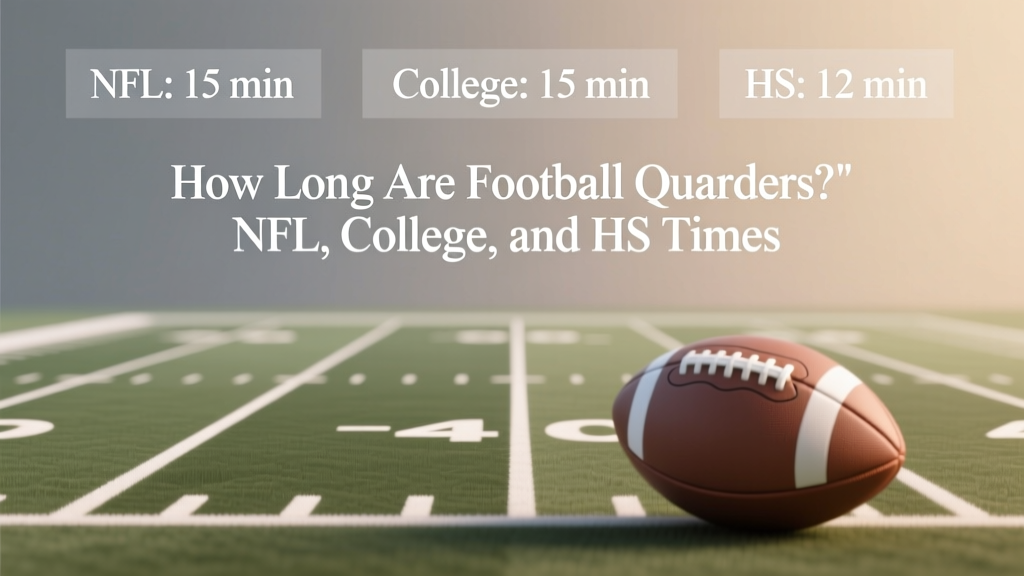 How Long Are Football Quarters? NFL, College, and HS Times
 Who Has the Hardest Schedule in College Football 2024?
 What Time Is the CFP Selection Show? 2025 Schedule & Details
 What NFL Teams Are Playing This Sunday? Full Week 8 Schedule