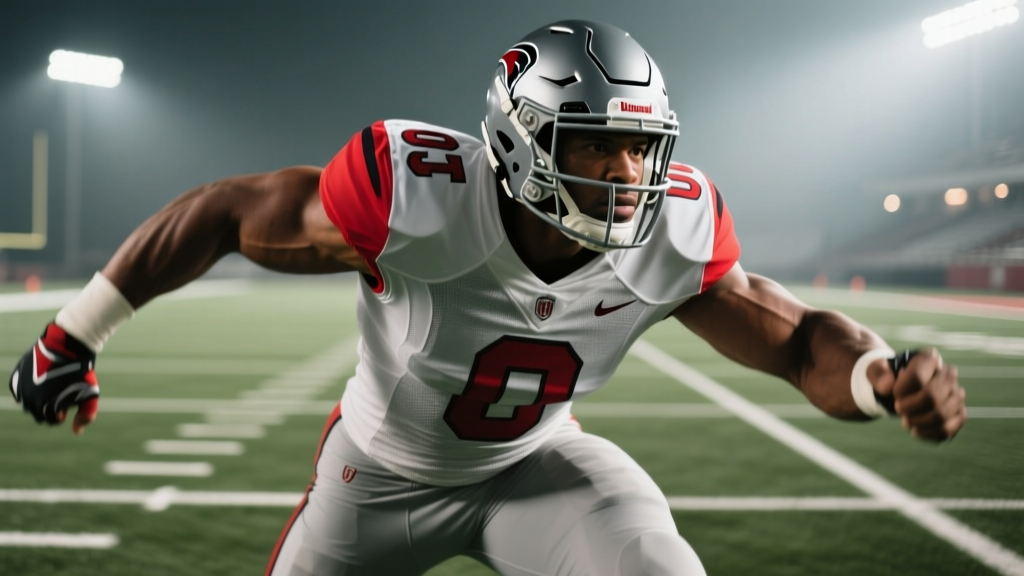
What Position Is OT in Football? Explained
In football, OT stands for Offensive Tackle, a key position on the offensive line responsible for protecting the quarterback and creating running lanes.
What Is OT in Football?
The term OT, or Offensive Tackle, refers to one of the five positions on the offensive line in American football. Positioned on either side of the offensive guard and center, the offensive tackles play a crucial role in both pass protection and run blocking. There are two types: the Left Tackle (LT) and the Right Tackle (RT). The left tackle is often considered more valuable because they protect the quarterback's blind side—especially for right-handed quarterbacks.
Responsibilities of an Offensive Tackle
Offensive tackles have dual responsibilities depending on the play type. Their primary job is to block defensive players and create space for the offense to operate effectively.
Pass Protection
- Shield the quarterback from edge rushers like defensive ends and outside linebackers.
- Maintain a solid stance and use footwork to delay pass rushers. \li>Prevent sacks and pressures, especially critical on the blind side (left tackle).
Run Blocking
- Open gaps for running backs by engaging with defenders.
- Execute reach blocks, cut blocks, or combo blocks in coordination with guards.
- Seal the edge to allow runs to develop outside the tackle box.
Types of Offensive Tackles
While both tackles perform similar duties, their roles differ based on positioning and the handedness of the quarterback.
Left Tackle (LT)
The left tackle typically protects the quarterback’s blind side. Since most quarterbacks are right-handed, this makes the LT the most important pass protector on the line. Elite left tackles are highly valued and often receive top-tier contracts.
Right Tackle (RT)
The right tackle faces less pressure in pass protection but is still vital. They often deal with strong-side defensive ends and must be effective in run blocking, particularly on power plays toward the right side.
Skills and Attributes of a Successful OT
Being a successful offensive tackle requires a unique blend of physical and mental traits:
- Size and Strength: Most NFL offensive tackles stand over 6'4" and weigh more than 300 lbs.
- Foot Speed and Agility: Essential for keeping up with quick edge rushers in pass sets.
- Hand Technique: Proper hand placement helps control defenders and maintain leverage.
- Football IQ: Understanding defensive schemes and recognizing blitzes is critical.
- Endurance: Must sustain performance across long drives and full games.
NFL Offensive Tackle Performance Data (2024 Season)
| Player | Team | Games Played | Sacks Allowed | Pressure Rate | Pro Bowl | All-Pro |
|---|---|---|---|---|---|---|
| Trent Williams | San Francisco 49ers | 17 | 1.5 | 2.1% | Yes | 1st Team |
| Tristan Wirfs | Tampa Bay Buccaneers | 16 | 3.0 | 4.3% | Yes | 2nd Team |
| Mike McGlinchey | Denver Broncos | 17 | 5.5 | 7.8% | No | No |
| Duane Brown | New York Jets | 14 | 4.0 | 6.2% | No | No |
| Penei Sewell | Detroit Lions | 17 | 2.0 | 3.0% | Yes | 1st Team |
The data shows that elite offensive tackles like Trent Williams and Penei Sewell allow fewer than two sacks per season while maintaining low pressure rates. A lower sack count and pressure percentage correlate strongly with Pro Bowl and All-Pro honors, highlighting the importance of consistency and technique in pass protection.
How Are Offensive Tackles Evaluated?
Scouts and coaches assess offensive tackles using both quantitative and qualitative metrics:
- PFF Grade: Pro Football Focus assigns grades based on every play, factoring in technique, assignment success, and impact.
- Sacks and Pressures Allowed: Key stats for evaluating pass protection.
- Anchor Strength: Ability to hold ground against bull rushes.
- Lateral Mobility: Measured during drills like the shuttle and cone drills at the NFL Combine.
- Penalties: High penalty counts (holds, false starts) indicate poor discipline or technique.
Frequently Asked Questions About OT in Football
What does OT mean in football?
OT stands for Offensive Tackle, a position on the offensive line responsible for blocking defenders during both passing and running plays. They are essential for protecting the quarterback and opening running lanes.
Is OT the same as tackle in football?
Yes, OT is short for Offensive Tackle. The term "tackle" can also refer to a defensive position (Defensive Tackle), so "OT" clarifies it's on the offensive side of the ball.
Who are the best OTs in the NFL right now?
As of 2025, top offensive tackles include Trent Williams (49ers), Tristan Wirfs (Buccaneers), Penei Sewell (Lions), and Andrew Thomas (Giants). These players consistently earn Pro Bowl and All-Pro recognition.
Why is the left tackle position so important?
The left tackle protects the quarterback’s blind side, especially for right-handed QBs. A breakdown here can lead to sacks or injuries, making the LT one of the most valuable non-skill positions in football.
What are the physical requirements for an OT?
Successful offensive tackles are typically over 6'4" and weigh between 300–330 lbs. They need strength, agility, and endurance to handle powerful defensive ends and fast edge rushers throughout the game.
More Articles
 How Many National Championships Does Alabama Have?
 Where Did Football Begin? The True Origin Explained
 When Is Halftime in a Football Game? Timing Explained
 What Does a Cornerback in Football Do?
 Where Do the New York Jets Play Football?
 Who Has Most Rushing Yards in College Football History?
 What Does TBD Mean in Football? Explained
 What Does SEC in Football Stand For? Explained
 Monday Night Football Tonight: Teams, Time, How to Watch
 Where Does UNLV Play Football? Home Stadium Info