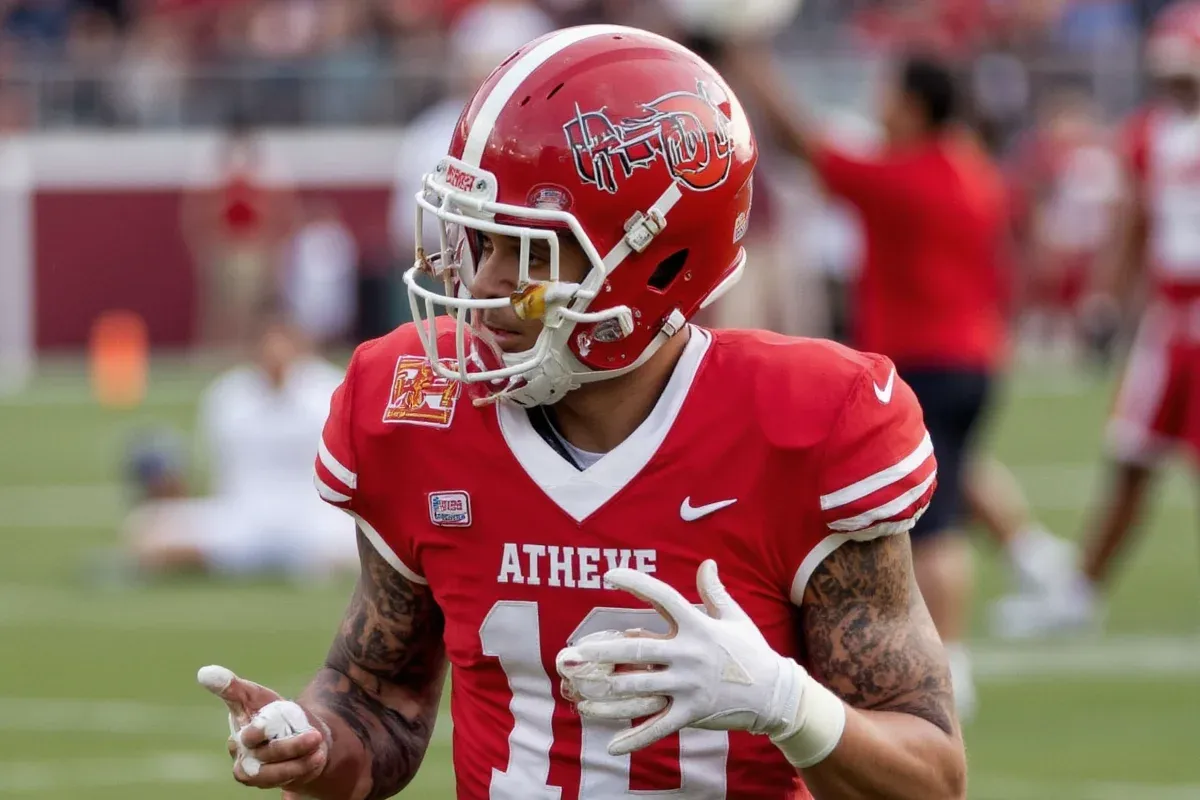
What Does Redshirt Mean in College Football? Explained
In college football, ‘redshirting’ refers to a strategic move where a student-athlete sits out a season of competition while still practicing with the team and taking classes, preserving a year of eligibility. This allows players to extend their collegiate playing career up to five years instead of four, commonly used for physical development, injury recovery, or adjusting to academic demands.
What Is a Redshirt in College Football?
The term “redshirt” originated from the red jerseys worn by practice-squad athletes in training, distinguishing them from scholarship players in official games. Today, redshirting is an NCAA-approved method for student-athletes to preserve one year of athletic eligibility. During a redshirt year, a player can participate in team practices, receive financial aid, and attend classes but cannot compete in more than four games (under current NCAA rules) without losing redshirt status.
Key Reasons for Redshirting
- Physical Development: Young athletes may need time to build strength and size to compete at the collegiate level.
- Injury Recovery: Players recovering from surgery or serious injuries often use a medical redshirt. \li>Academic Adjustment: Freshmen may struggle with the transition to college-level coursework.
- Depth Chart Competition: Talented recruits might redshirt if the team already has experienced players at their position.
- Skill Refinement: Extra time to learn complex playbooks and improve technique.
Types of Redshirts in NCAA Football
The NCAA recognizes several forms of redshirting, each with specific criteria:
True Redshirt
A freshman who does not participate in more than four games during their first year. They retain four full seasons of eligibility over the next five calendar years.
Medical Redshirt
Granted when a player suffers a season-ending injury early in the year. To qualify, the athlete must have participated in fewer than 30% of the team’s games and the injury must occur before the midpoint of the season.
Grayshirt
A recruit who delays enrollment until the second semester (typically January), allowing the school to manage scholarship limits. The player sits out the fall season and begins full participation the following year.
Bluechip Redshirt
Highly touted recruits who are redshirted despite expectations to play immediately, often to maximize long-term development.
NCAA Redshirt Rules: 2025 Eligibility Guidelines
As of 2025, the NCAA maintains flexible redshirt policies under Division I regulations:
- Players can appear in up to four games per season and still preserve a redshirt year.
- Athletes have a five-year window to complete four seasons of competition.
- Medical hardship waivers require documentation and approval from the NCAA.
- Transferring players may retain redshirt status depending on transfer rules and timing.
| Season | Total Redshirts (FBS) | Medical Redshirts | Average Height Increase (in) | Average Weight Gain (lbs) |
|---|---|---|---|---|
| 2021 | 1,423 | 287 | 0.4 | 12.3 |
| 2022 | 1,506 | 302 | 0.5 | 13.1 |
| 2023 | 1,588 | 318 | 0.6 | 14.0 |
| 2024 | 1,652 | 331 | 0.5 | 13.7 |
Data shows a steady increase in the number of redshirted players across FBS programs from 2021 to 2024, reflecting growing emphasis on player development and injury prevention. On average, redshirted athletes gain over 13 pounds and nearly half an inch in height during their developmental year, contributing to improved performance upon debut.
Impact of Redshirting on Player Development
Redshirting significantly enhances long-term athletic outcomes. Studies indicate that redshirted quarterbacks have a 22% higher chance of becoming multi-year starters compared to those who play immediately. Additionally, redshirted linemen show better durability and lower injury rates during their active seasons.
From a coaching perspective, redshirting allows staff to integrate recruits into the system gradually, ensuring mastery of offensive and defensive schemes. It also helps manage roster turnover and maintain depth over multiple seasons.
Frequently Asked Questions About Redshirting in College Football
What does it mean when a college football player is redshirted?
Being redshirted means a player does not count against their four years of NCAA playing eligibility, typically by participating in four or fewer games in a season. They continue training and attending classes while preserving eligibility for future use.
Can a redshirt player travel with the team and dress for games?
Yes, redshirt players can travel, practice, and even dress for games, but they cannot exceed four appearances in a season without losing redshirt status, unless injured and granted a medical exemption.
How many years can a redshirt athlete play college football?
A redshirt athlete can play up to four seasons within a five-year period. For example, a player redshirting as a freshman can compete from sophomore to senior year and return for a fifth “graduate” year.
What is the difference between redshirt and grayshirt?
A redshirt delays competition but enrolls full-time in the fall, while a grayshirt delays enrollment until mid-year (e.g., January), often to manage scholarship caps. Grayshirts do not begin classes or practices until the spring semester.
Does redshirting affect a player’s draft eligibility?
No, redshirting does not delay NFL draft eligibility. Players become eligible three years after high school graduation, regardless of redshirt status. A redshirt junior with three years of college play can declare for the draft.
More Articles
 Who Is Playing NFL Football on Christmas Day 2025?
 Why Football Players Wear Black Under Eyes
 How Many Acres in a Football Pitch? Size Explained
 What Channel Is Ohio State Football On Today?
 Football Games Today: Schedule & How to Watch
 How Many Countries Have Won the Football World Cup?
 What Year Did Football Start? The 1863 Origin Explained
 Where to Watch K-State vs BYU Football 2025
 What Football Conference Is Penn State In? Big Ten Explained
 Where Does Northwestern Play Football? Home Stadium Info