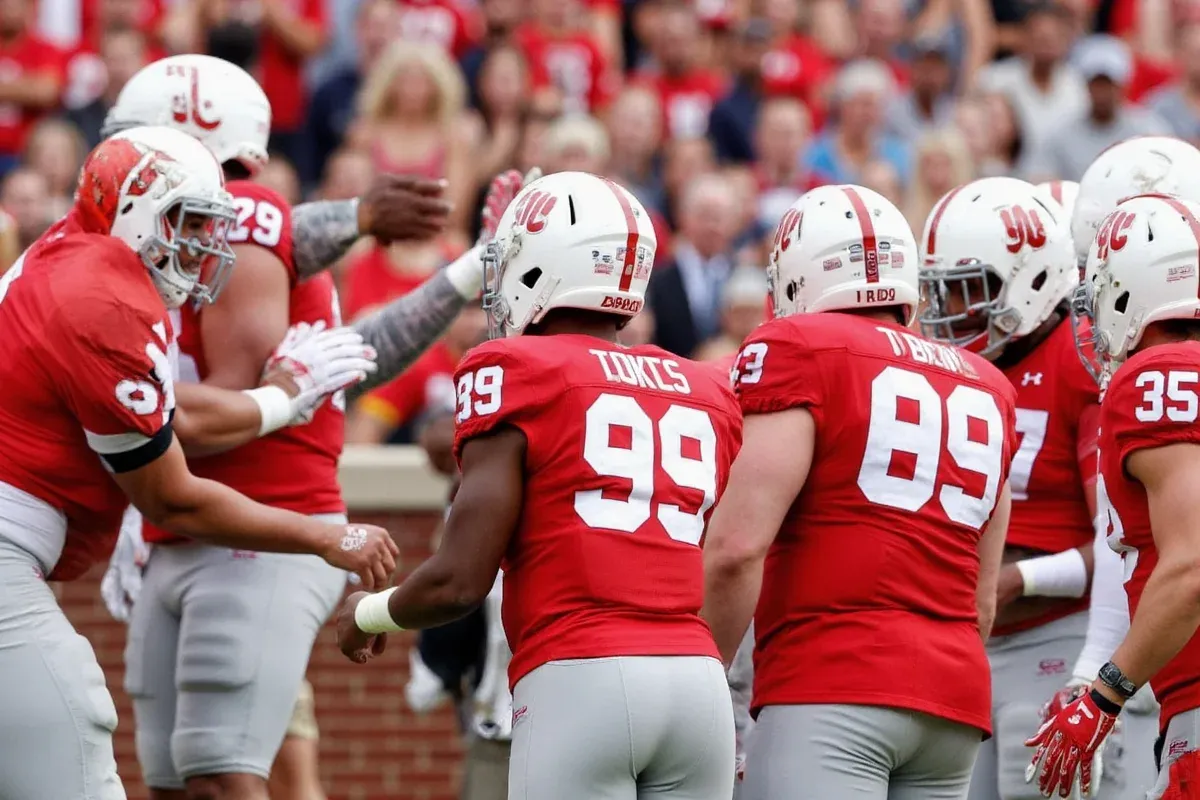
What Does FBS Stand For in College Football? Explained
In college football, FBS stands for the Football Bowl Subdivision, the highest level of NCAA competition, featuring top-tier teams, larger stadiums, and eligibility for major bowl games and the College Football Playoff.
What Is the Football Bowl Subdivision (FBS)?
The Football Bowl Subdivision (FBS) is the highest division in NCAA college football. Formerly known as Division I-A, it was reclassified as FBS in 2006 to distinguish it from the Football Championship Subdivision (FCS). The FBS includes 133 teams across 11 conferences, including powerhouses like Alabama, Ohio State, and Georgia.
Teams in the FBS are characterized by higher attendance requirements, larger athletic budgets, and more scholarship availability—up to 85 full scholarships for players. Unlike FCS, the FBS does not use a playoff system governed directly by the NCAA; instead, it operates under the College Football Playoff (CFP) format for its national championship.
Key Features of FBS Programs
- Minimum average home attendance of 15,000 fans over a rolling two-year period (waived in recent years due to special circumstances)
- Ability to award up to 85 full athletic scholarships
- Eligibility to participate in bowl games
- Participation in the College Football Playoff (expanded to 12 teams starting in 2024)
- Sponsorship of at least 16 varsity sports teams
History and Evolution of the FBS
The FBS originated from the NCAA's restructuring of Division I football in 1978, which split Division I into I-A (now FBS) and I-AA (now FCS). In 2006, the NCAA officially renamed these subdivisions to better reflect their competitive and financial distinctions.
This change allowed schools with large football programs and significant fan bases to operate under different rules than smaller programs. Over time, conference realignment has reshaped the FBS landscape, with major shifts such as USC and UCLA moving to the Big Ten in 2024.
FBS vs. FCS: Understanding the Differences
While both FBS and FCS represent top levels of college football, they differ significantly in structure, funding, and postseason play.
| Feature | FBS | FCS |
|---|---|---|
| Number of Teams (2024) | 133 | 128 |
| Scholarships Allowed | 85 (full) | 63 (equivalency) |
| Postseason Format | College Football Playoff (12-team) | NCAA-run 24-team playoff |
| Average Stadium Capacity | ~60,000 | ~10,000 |
| Attendance Requirement | 15,000 (historical) | None |
The data shows that FBS programs operate at a significantly larger scale than FCS, particularly in scholarship allocation and stadium size. The postseason structure also highlights a key distinction: while FCS uses a traditional NCAA tournament, FBS relies on a selection committee and expanded playoff model starting in 2024.
Major Conferences in the FBS
The FBS is organized into 11 conferences, each with unique strengths and media profiles. Five are considered "Power" or "Autonomous" conferences due to their influence, revenue, and access to major bowls and the CFP.
- SEC (Southeastern Conference): Known for physical play and national titles (e.g., Alabama).
- Big Ten: Expanding to include West Coast schools like Oregon and UCLA.
- Big 12: Strong mid-major presence, recently adding Arizona and BYU.
- Pac-12: Diminished after realignment but historically elite.
- ACC (Atlantic Coast Conference): Home to Clemson and Florida State.
The remaining six are classified as Group of Five: American Athletic, Conference USA, Mid-American, Mountain West, Sun Belt, and independent Notre Dame (which retains special bowl agreements).
How Teams Qualify for the College Football Playoff
Starting in 2024, the College Football Playoff expands from four to twelve teams. The top four conference champions will earn automatic bids if ranked in the top 12. The remaining eight spots go to the next highest-ranked teams regardless of conference.
A 13-member selection committee ranks teams weekly during the season, culminating in final rankings used to determine playoff participants. Criteria include win-loss record, strength of schedule, head-to-head results, and conference championships won.
Frequently Asked Questions About FBS in College Football
What does FBS stand for in college football?
FBS stands for Football Bowl Subdivision, the highest level of competition in NCAA college football.
How many teams are in the FBS in 2024?
There are 133 teams in the FBS for the 2024 season, competing across 11 conferences.
What is the difference between FBS and FCS?
FBS offers more scholarships (85 vs. 63), has larger stadiums, and uses the College Football Playoff for its champion, while FCS uses a 24-team NCAA tournament.
Do FBS teams play FCS teams?
Yes, FBS teams often schedule early-season games against FCS opponents, sometimes referred to as "money games," where the FCS team receives a guaranteed payout.
Can an FCS team move up to FBS?
Yes, schools can transition to FBS, but they must meet strict NCAA requirements, including attendance, scholarships, and financial investment, and undergo a multi-year reclassification process.
More Articles
 Who Are the Announcers for Sunday Night Football 2025?
 Where Is the Patriots Football Stadium Located?
 Who Has the Most Trophies in Football History?
 Wisconsin Badgers Play Today at 3:30 PM CT
 Why College Football 25 Is Not on PC
 What Football Games Are Playing Now? Live Matches Today
 How Many Games in NCAA Football Season?
 How Many Football Teams Are There? Global Count & Stats
 Best Football Boots 2026: Data-Driven Picks
 Where Do Texas Longhorns Play Football? Stadium Info