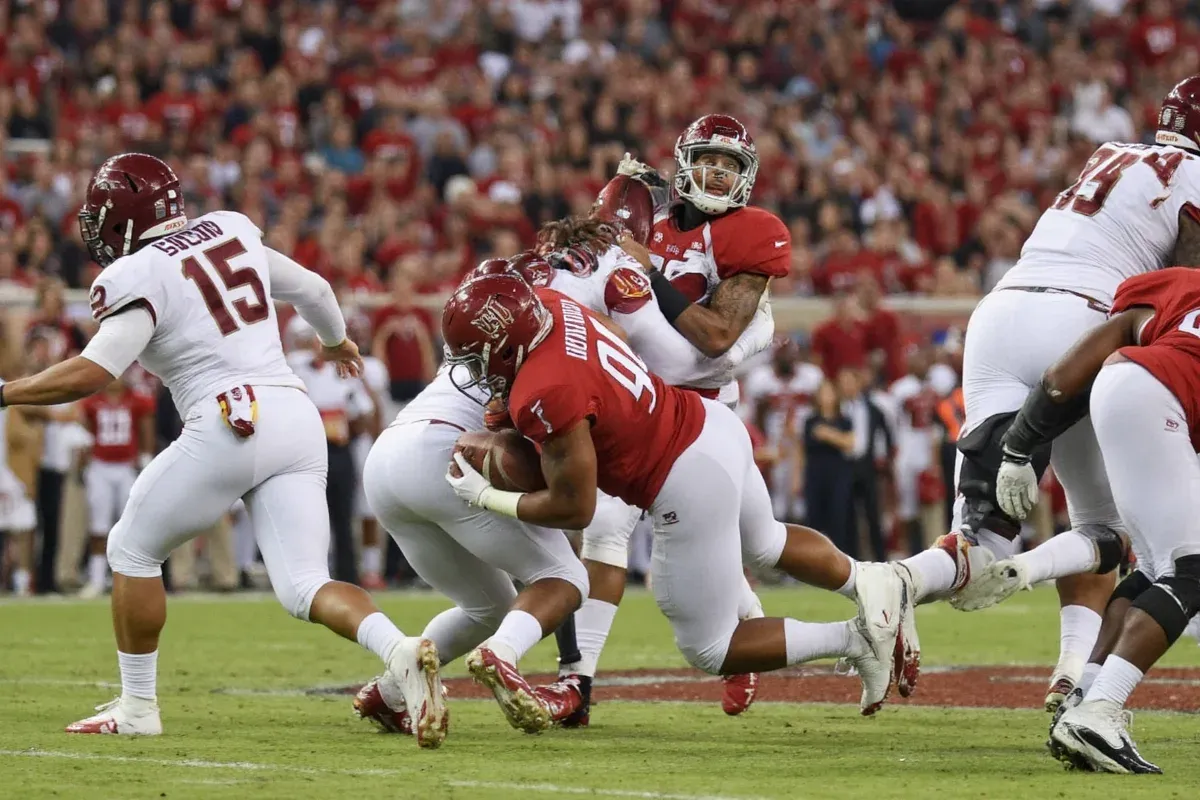
What Does Pipeline Mean in College Football 25?
In College Football 25, the term “pipeline” refers to a recruiting mechanic that allows teams to build relationships with high school prospects over multiple seasons, improving the likelihood of securing commitments from top talent. A strong pipeline enhances recruiting efficiency and long-term program success.
Understanding the Pipeline Mechanic in College Football 25
The Pipeline system in EA Sports College Football 25 simulates real-world recruiting dynamics by enabling programs to establish sustained connections with recruits. Unlike previous games where recruiting felt transactional, the pipeline introduces continuity, trust, and strategic planning across recruiting cycles.
How the Pipeline Works
- Each high school recruit is tied to a specific region or talent hub.
- Programs that consistently recruit from the same area develop a stronger regional pipeline.
- Coaches can schedule visits, send personalized messages, and assign staff recruiters to nurture relationships.
- Success in one class improves odds for future recruits from the same school or region.
This creates a snowball effect: the better your reputation in a geographic area, the easier it becomes to land elite players from that zone year after year.
Benefits of a Strong Recruiting Pipeline
Building a robust pipeline isn’t just about landing five-star recruits—it’s about creating sustainable program growth. Here are key advantages:
- Higher Commitment Rates: Recruits are more likely to commit if they see others from their region succeeding at your school.
- Reduced Staff Workload: Once established, pipelines require less hands-on management due to organic momentum.
- Better Team Chemistry: Players from similar backgrounds often integrate faster socially and culturally.
- National Branding: Dominance in key regions (e.g., Texas, Florida, California) boosts national visibility and prestige.
Factors That Influence Pipeline Strength
Several in-game variables affect how quickly and effectively a pipeline develops:
- Geographic proximity between your campus and the recruit's hometown
- Frequency and quality of interactions (visits, calls, letters)
- Player development and NFL draft success from prior recruits in the region
- School facilities, academic reputation, and NIL collectives
- Winning percentage and bowl appearances
Recruiting Pipeline Performance by Conference (2024 Season Simulation)
| Conference | Avg Pipeline Rating (1-10) | % Commits from Target Regions | Top Recruit Conversion Rate | Years to Build Strong Pipeline |
|---|---|---|---|---|
| SEC | 8.7 | 76% | 68% | 2.1 |
| Big Ten | 7.9 | 69% | 61% | 2.8 |
| Pac-12 | 7.2 | 63% | 54% | 3.3 |
| ACC | 6.8 | 58% | 50% | 3.6 |
| Big 12 | 7.5 | 65% | 57% | 2.9 |
Data shows that the SEC leads in pipeline strength due to geographic concentration and consistent player development. Teams like Alabama and Georgia average higher conversion rates because of legacy relationships and NFL output. The Big Ten, while spread out geographically, benefits from brand power and NIL resources, shortening pipeline development time compared to the ACC.
Strategies to Build an Elite Pipeline
Focus on Regional Dominance
Choose 2–3 core states (e.g., Florida, Texas, Georgia) and prioritize them each recruiting cycle. Assign assistant coaches specifically to those areas.
Leverage Alumni Success
Showcase former players who succeeded in the NFL or academically. In-game, this increases trust metrics with new recruits.
Upgrade Facilities and NIL Support
Better dorms, training rooms, and guaranteed name-image-likeness deals make pipelines more attractive, especially post-transfer portal expansion.
Frequently Asked Questions About Pipeline in College Football 25
What does “pipeline” mean in College Football 25?
The “pipeline” refers to a sustained recruiting connection between a college program and a specific geographic region or high school, improving the odds of landing top recruits over time through relationship-building and reputation.
How do I improve my team’s recruiting pipeline?
You can strengthen your pipeline by consistently recruiting from the same regions, scheduling official visits, upgrading facilities, showcasing alumni success, and maintaining high win rates and player development outcomes.
Does pipeline affect every recruit equally?
No. Five-star and local recruits are most influenced by pipeline strength. National recruits may still require heavy personal outreach regardless of regional ties.
Can you lose a recruiting pipeline?
Yes. If you neglect a region for two or more seasons, reduce staff attention, or suffer declining performance, your pipeline rating in that area will degrade, reducing commitment odds.
Is the pipeline mechanic available in Dynasty Mode only?
Yes. The full pipeline system is active in Dynasty Mode, where multi-season continuity allows for long-term recruiting strategy. It is not featured in Exhibition or Road to Glory modes.
More Articles
 Who Invented Fantasy Football? The True Origin Story
 How Many People Are in a Football Team? (11 Players)
 How Much Does an Arena Football Player Make?
 How Many Yards Is a Football Field? Full Breakdown
 Where Is Marshall University Football Located?
 What Does It Mean to Redshirt in College Football?
 How Much Do NFL Referees Make? Salary Breakdown 2025
 How Long Is a Football Game? Full Breakdown
 Where Did Cooper DeJean Play College Football?
 Did Kyle Shanahan Play Football? Facts & Career Breakdown