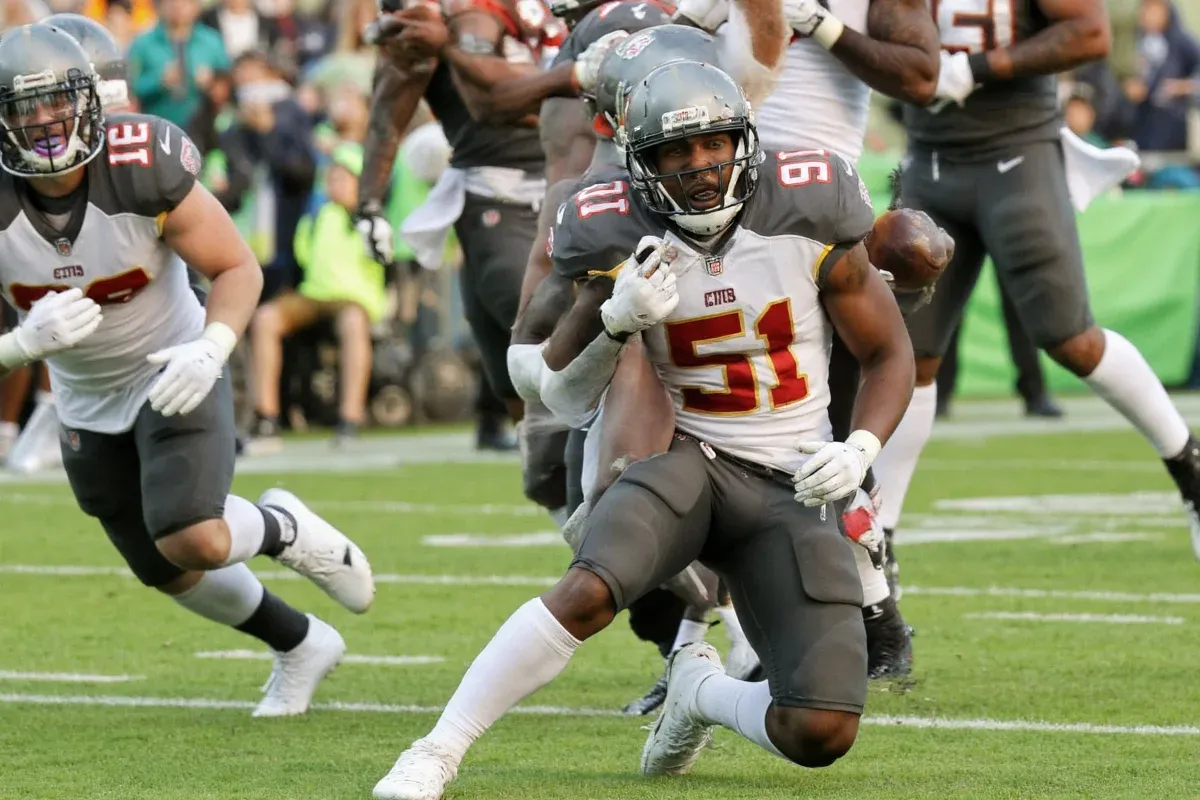
What Does PFF Mean in Football? Explained
PFF’s NFL grades are based on a detailed, play-by-play analysis of every player’s performance, combining traditional stats with advanced metrics to deliver a more accurate evaluation than conventional statistics. Unlike standard stats like tackles or completions, Pro Football Focus (PFF) evaluates each play using human and algorithmic analysis, assigning grades from -2 to +2 in increments of 0.5. These grades reflect execution quality, context, and impact, offering fans, analysts, and teams deeper insight into player performance beyond box-score numbers.
What Does PFF Mean in Football?
In American football, “PFF” stands for Pro Football Focus, a sports analytics company that provides in-depth player and team evaluations through detailed grading systems and advanced data modeling. Founded in 2006, PFF has become a trusted resource for NFL teams, broadcasters, fantasy football players, and analysts seeking objective insights beyond traditional statistics.
PFF’s core innovation lies in its play-by-play grading system, where trained analysts watch game film and assign performance grades to every player on every snap. This granular approach reveals strengths, weaknesses, and consistency that raw stats often miss.
How PFF Grading Works
PFF’s grading methodology is rooted in film study and contextual analysis. Each player receives a grade for every play they participate in, based on their assignment and execution.
Grading Scale
- +2.0: Elite performance — game-changing play with perfect execution
- +1.5: Strong play — significantly contributes to success
- +1.0: Above average — executes well within role
- +0.5: Satisfactory — meets baseline expectations
- 0.0: Neutral — no significant impact
- -0.5: Minor mistake — slight error with limited consequence
- -1.0: Clear mistake — negatively impacts outcome
- -2.0: Catastrophic error — turnover, penalty, or major breakdown
These micro-grades are aggregated across games and seasons to form overall player ratings, positional rankings, and predictive analytics.
Why PFF Matters in Modern Football Analysis
Traditional football statistics often fail to capture nuance. For example, a quarterback may throw for 300 yards but face constant pressure, while another succeeds behind strong protection. PFF accounts for such context.
Key Benefits of PFF Data
- Reveals true player performance independent of team scheme
- Identifies undervalued players overlooked by traditional metrics
- Supports better decision-making for NFL front offices and fantasy managers
- Enhances broadcast commentary with real-time insights
- Provides predictive value for player development and injury risk
| Player | Position | Team (2024) | PFF Grade (2023) | Snap Count | Wins Added |
|---|---|---|---|---|---|
| Josh Allen | QB | Buffalo Bills | 92.1 | 1,024 | +3.8 |
| Viktor Dimukeje | EDGE | Arizona Cardinals | 89.7 | 721 | +2.9 |
| Trevon Diggs | COR | Dallas Cowboys | 88.4 | 893 | +3.1 |
| Joe Thuney | OG | Kansas City Chiefs | 87.9 | 1,078 | +2.6 |
| Quenton Nelson | OG | Indianapolis Colts | 87.3 | 1,064 | +2.4 |
The table highlights the top performers in the 2023 NFL season according to PFF’s grading system. Josh Allen leads all players with a 92.1 grade, reflecting his dual-threat dominance and efficient decision-making under pressure. Offensive linemen like Quenton Nelson and Joe Thuney demonstrate elite consistency over high snap counts, proving PFF’s ability to quantify often-invisible contributions. Wins Added, a PFF metric estimating a player’s impact on team success, further validates the correlation between high grades and tangible outcomes.
Common Questions About PFF in Football
What does PFF stand for in sports?
PFF stands for Pro Football Focus, an analytics company specializing in player performance evaluation in American football using detailed grading and data modeling.
Is PFF used by NFL teams?
Yes, all 32 NFL teams subscribe to PFF’s data and analytics platform. Front offices use PFF grades for scouting, contract decisions, and game planning due to their predictive accuracy and depth.
How accurate are PFF grades?
PFF grades are widely regarded as highly accurate because they combine expert film review with statistical rigor. Studies show strong correlations between PFF grades and future performance, outperforming traditional stats in predictability.
Can I access PFF data for free?
PFF offers limited free content, including articles and sample grades. Full access to grades, advanced metrics, and premium tools requires a paid subscription via PFF Premium.
Does PFF cover college football?
Yes, PFF grades players in NCAA football and tracks draft prospects extensively. Their college database helps NFL teams evaluate talent using the same grading framework applied professionally.
In summary, PFF has redefined how football performance is measured. By moving beyond basic stats and embracing deep film analysis and data science, PFF delivers actionable insights that benefit fans, media, and professionals alike. Whether assessing a quarterback’s decision speed or an offensive lineman’s pass protection, PFF provides a more complete picture of what happens on the field.
More Articles
 Who Are the Announcers on Monday Night Football 2025?
 Monday Night Football Start Time: What Time Does It Begin?
 Where to Watch Colorado vs Nebraska Football 2025
 Football Games Today: NFL, Premier League, College (2026)
 What Does BE Mean in Fantasy Football? Explained
 Football Gear Calendar by Season
 How Many Sq Ft in a Football Field? Full Breakdown
 How Many FBS Football Teams Are There? 2025 Update
 How Long Does an NFL Football Game Last?
 What Size Football Do High School Players Use?