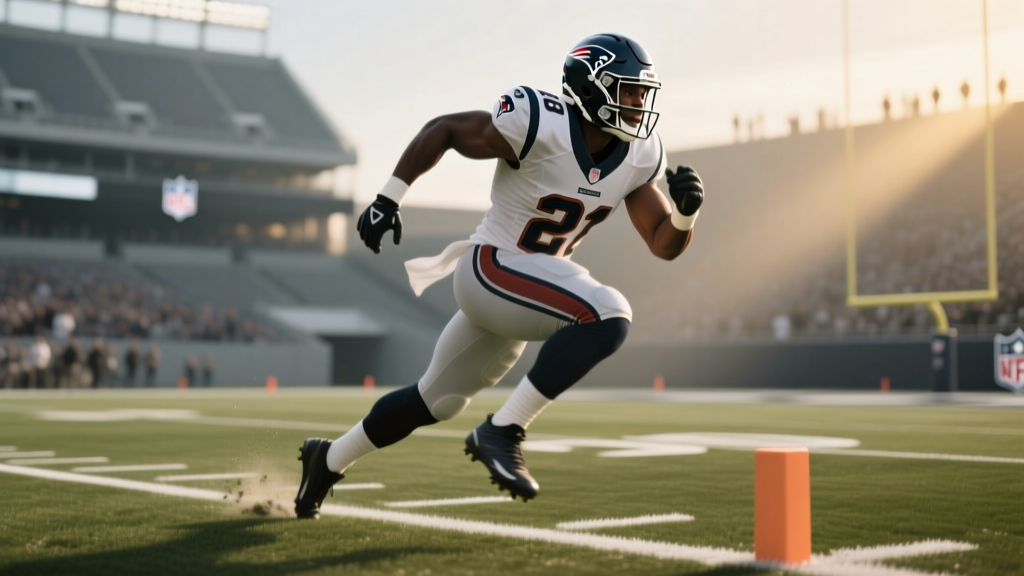
What Does First Down Mean in Football?
In American football, a first down refers to the first of four opportunities (downs) a team has to advance the ball at least 10 yards toward the opponent's end zone. If successful, the team earns a new set of four downs, restarting the count with another first down.
Understanding the Concept of First Down
The term "first down" is central to the flow and strategy of American football. It marks the beginning of a team's attempt to move the ball 10 yards forward within four plays, or "downs." Achieving this resets the down count, allowing the offense to maintain possession and continue driving toward scoring.
Why First Downs Matter
- They determine how long an offense can sustain a drive.
- Success on first down sets up favorable situations for second and third downs.
- Consistent first down conversions are strongly correlated with winning games.
- Defensive units aim to prevent first downs to force punts or turnovers on downs.
How the Down System Works
Each offensive possession operates under a four-down system. The team must gain 10 yards within these four attempts. Here's how it progresses:
- First down: Attempt begins; most commonly first down, 10 yards to go (1st & 10).
- Second down: Second attempt if less than 10 yards were gained.
- Third down: Third attempt; critical for maintaining possession.
- Fourth down: Final attempt; teams may punt, attempt a field goal, or go for it.
If the offense gains 10 or more yards by the fourth down, they earn a new first down, resetting the cycle.
Common Scenarios Involving First Down
- 1st & 10: Standard starting point after a first down conversion or kickoff.
- 1st & Goal: When the offense is within 10 yards of the end zone; no need to gain 10 yards, just score.
- 3rd & Short: Less than 4 yards needed; high probability of converting to first down.
- 3rd & Long: More than 7 yards needed; often leads to passing plays or punting.
Strategic Importance of First Down Performance
Coaches and analysts closely monitor first down efficiency because it reflects overall offensive control. Gaining positive yardage on first down puts the offense in manageable situations on second and third down, increasing the likelihood of sustaining drives.
For example, running on first down to achieve modest gains can set up play-action passes later in the series. Conversely, passing on first down can lead to big gains but also risks incompletions or sacks, creating difficult down-and-distance scenarios.
| Team | First Downs per Game (2024 Season) | Time of Possession (Avg) | Win Percentage |
|---|---|---|---|
| Kansas City Chiefs | 24.6 | 32:18 | .789 |
| Buffalo Bills | 23.8 | 31:45 | .722 |
| San Francisco 49ers | 25.1 | 33:02 | .816 |
| Detroit Lions | 22.9 | 30:55 | .684 |
| New England Patriots | 20.3 | 29:10 | .421 |
The data shows a clear correlation between first down frequency and win rate. Teams like the San Francisco 49ers and Kansas City Chiefs, who average over 24 first downs per game, also enjoy higher time of possession and win percentages above .750. In contrast, teams with lower first down totals, such as the Patriots, struggle to maintain drives and win games.
Rules That Affect First Down Progression
Certain penalties or plays can alter the down count or yardage requirements:
- Offensive holding: Results in a 10-yard penalty and replay of the down (e.g., 2nd & 20 becomes 2nd & 25).
- Defensive pass interference: Awards the offense a first down at the spot of the foul.
- Automatic first downs: Occur after certain defensive penalties (e.g., roughing the passer).
- Measurements: Officials use the chain crew to determine if 10 yards were gained; a signal indicates a “first down” when achieved.
Frequently Asked Questions About First Down in Football
What does first down mean in football?
A first down is the initial play in a series of four attempts during which an offense must gain 10 yards to retain possession. Successfully gaining 10 yards results in a new set of downs, starting again with first down.
How many yards do you need for a first down?
The offense must gain at least 10 yards from the line of scrimmage established on the first down to earn a new set of downs. This distance is tracked from the “line to gain,” marked by officials on the field.
What happens if a team doesn't get a first down?
If a team fails to gain 10 yards within four downs, they turn the ball over to the opposing team via punt, turnover on downs, or a failed field goal attempt.
Can you score on a first down?
Yes. A touchdown can be scored on any down, including first down. There is no restriction preventing a team from scoring during their first play in a series.
What is the difference between first down and first and goal?
"First down" refers to the start of a drive with 10 yards to gain. "First and goal" occurs when the offense is within 10 yards of the end zone, meaning they are one play away from scoring a touchdown, regardless of the yardage needed.
More Articles
 De La Salle Football Warren: Program Insights & Stats
 What Does Sacking Mean in Football? Explained
 Who Is the Best Footballer Ever? Messi Tops All-Time List
 Where Are the Eagles Football Team From?
 Who Is SMU Football? Team History & ACC Move Explained
 What Conference Is UConn Football In? (2025 Update)
 What Time Are NFL Games Tomorrow? Full Schedule & TV Info
 How Many Weeks in College Football Season?
 How Many NCAA Football Teams Are There? 2025 Breakdown
 How Many Teams Are in SEC Football? 2025 Update