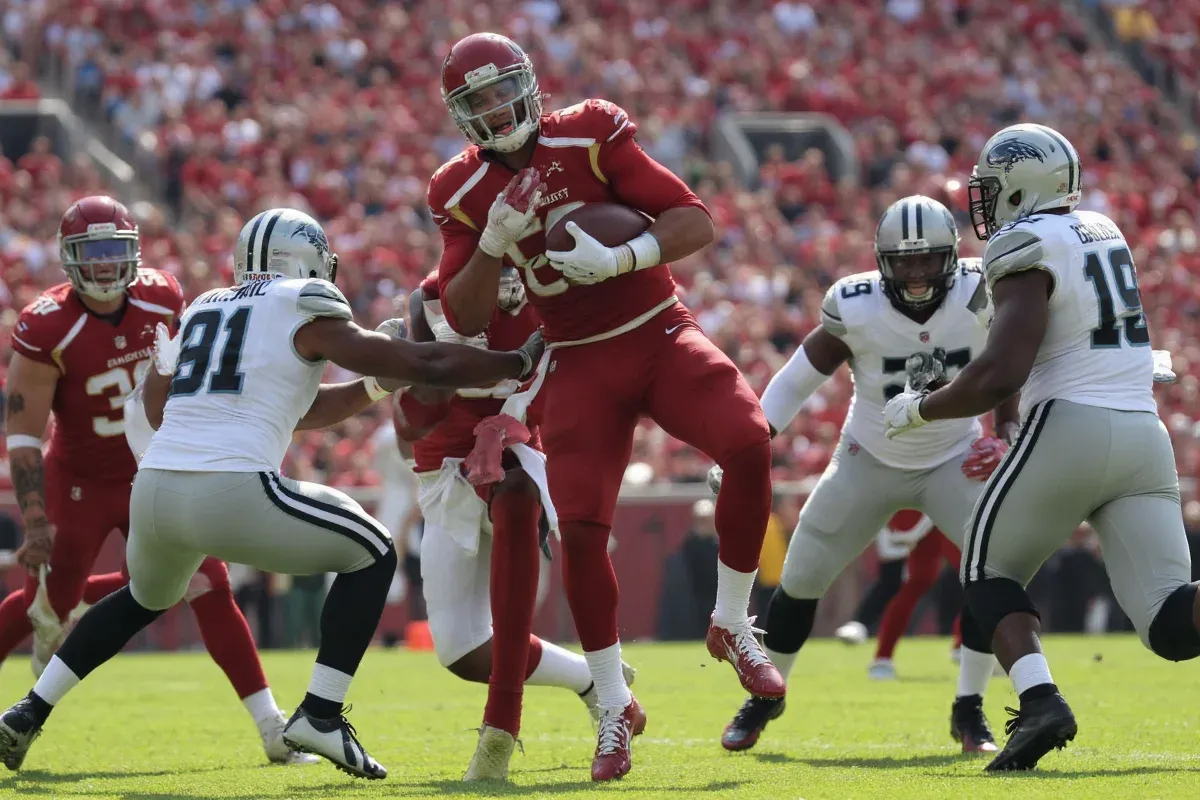
What Does a Running Back Do in Football? Key Roles Explained
A running back in football is primarily responsible for carrying the ball on rushing plays, catching passes out of the backfield, and blocking for the quarterback. This versatile offensive position requires speed, strength, and field vision to exploit defensive gaps and gain yardage.
Core Responsibilities of a Running Back
The running back (RB) is a key component of the offensive strategy in American football. Their duties extend beyond just running with the ball, encompassing multiple roles that contribute to both the rushing and passing game.
Rushing the Ball
- Primary ball carrier on designed run plays such as inside zone, outside zone, and power runs.
- Must read blocking schemes and make quick decisions on where to attack the defense.
- Responsible for gaining positive yardage and sustaining drives.
Pass Receiving
- Catches short passes, often used as a safety valve for the quarterback.
- Runs routes like swings, screens, and flats to exploit mismatches against linebackers or safeties.
- Contributes to the offense’s rhythm by moving the chains on third downs.
Blocking and Protection
- Blocks blitzing defenders on passing plays to protect the quarterback.
- Leads running plays when another back or the fullback is the primary carrier.
- Essential in preventing sacks and maintaining offensive tempo.
Types of Running Backs
Not all running backs fulfill the same role. Coaches tailor their usage based on physical traits, skill sets, and team strategy.
| Running Back Type | Key Traits | Common Usage | Example Players |
|---|---|---|---|
| Power Back | Strong, durable, excels between the tackles | Short-yardage, goal-line situations | Marshawn Lynch, Derrick Henry |
| Speed Back | Fast, agile, high acceleration | Outside runs, screen plays, breakaway runs | Chris Johnson, Dalvin Cook |
| Finesse Back | Elusive, excellent vision and cutback ability | Zone running schemes, third-down work | LeSean McCoy, Christian McCaffrey |
| Third-Down Back | Skilled receiver, reliable pass protector | Passing downs, check-down targets | Alvin Kamara, Austin Ekeler |
The data highlights how modern running backs are increasingly specialized. While power backs dominate near the goal line, third-down backs see more snaps in passing situations. The evolution of offenses has elevated receiving skills, making versatility a premium trait.
Impact on Offensive Strategy
Coaching staffs design entire offensive schemes around the strengths of their lead running back. A dual-threat back who can run and catch forces defenses to account for multiple threats, opening opportunities in both the run and pass game.
Teams with elite running backs often use them on over 70% of offensive snaps in two-back or shotgun formations. The presence of a dynamic RB also improves play-action efficiency, as defenses must respect the run.
Training and Physical Attributes
Successful running backs combine athleticism with mental preparation. Key physical and cognitive traits include:
- Explosiveness: Measured by 40-yard dash and vertical jump at the NFL Combine.
- Agility: Ability to change direction quickly, tested via shuttle runs.
- Vision: Anticipating developing holes in the offensive line.
- Durability: Withstanding repeated contact from defenders.
Frequently Asked Questions About Running Backs in Football
What does a running back do in football?
A running back carries the ball on rushing plays, catches passes from the backfield, and blocks defenders. They are essential for advancing the ball, sustaining drives, and protecting the quarterback on passing plays.
How is a running back different from a fullback?
A traditional fullback is primarily a blocker and short-yardage runner, while a running back is the main ball carrier and often involved in the passing game. In modern offenses, the fullback role has diminished, with most teams using versatile halfbacks or slot backs instead.
Who are some of the best running backs in NFL history?
Legendary running backs include Emmitt Smith, Walter Payton, Barry Sanders, Jim Brown, and LaDainian Tomlinson. These players excelled in rushing yards, touchdowns, and overall impact on their teams’ success.
Do running backs need good hands?
Yes, modern running backs must have reliable hands to catch passes in traffic. Top backs like Christian McCaffrey and Alvin Kamara regularly record over 80 receptions per season, making receiving a critical part of their role.
How many running backs are on a football team?
NFL teams typically carry 3–5 running backs on their active roster, including a starting RB, a backup, and one or two special teams contributors. Depth is important due to the physically demanding nature of the position.
More Articles
 How Many Teams in College Football Playoffs?
 Who Is the Best Football Player Right Now? (2025)
 How Long Is a Football Season? By League & Region
 De La Salle High School Football: Legacy & Stats
 Soccer Shin Guard Fit Guide: Size and Placement
 When Will College Football 26 Be on Game Pass?
 Monday Night Football Commentators 2026 | ESPN Team
 When Is Halftime in Football? NFL, NCAA & Soccer Explained
 Did Travis Kelce Retire From Football? 2025 Update
 What Channel Is the Football Game Today? (Oct 2025)