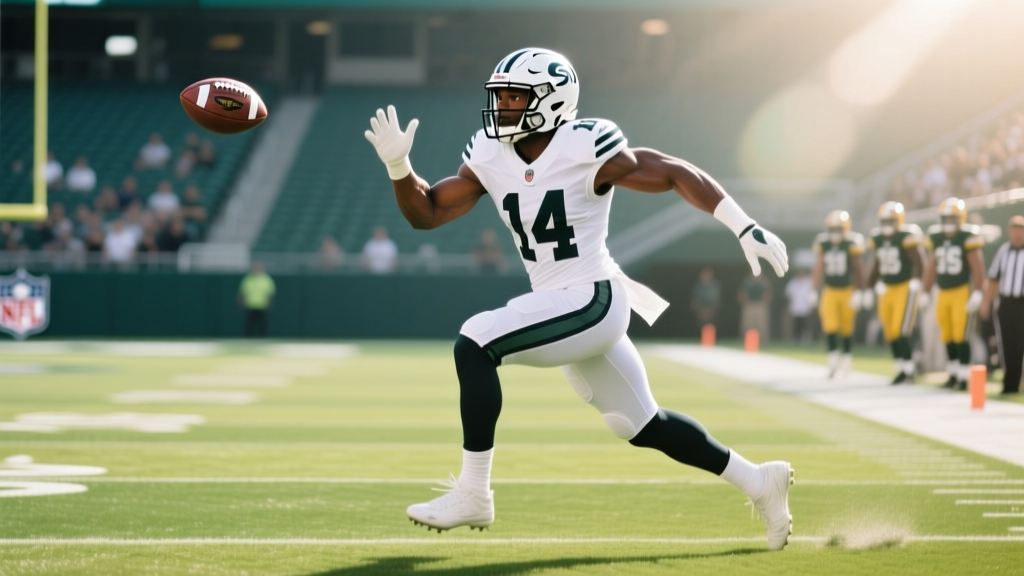
What Do Wide Receivers Do in Football? Key Roles Explained
Wide receivers in football are responsible for catching forward passes from the quarterback, advancing the ball downfield, and creating offensive opportunities through precise route running and blocking.
What Do Wide Receivers Do in Football?
Wide receivers (WRs) are key offensive players whose primary role is to catch passes and gain yardage. They line up on the outer edges of the formation and use speed, agility, and route precision to get open. Beyond receiving, they also contribute as blockers on running plays and screen passes.
Primary Responsibilities of a Wide Receiver
Understanding what wide receivers do involves breaking down their core duties during a game. These responsibilities go beyond simply catching the ball.
- Catch Forward Passes: The most visible task—secure throws from the quarterback during passing plays.
- Run Precise Routes: Execute specific patterns (e.g., slant, post, curl) to create separation from defenders.
- Gain Yards After Catch (YAC): Use agility and strength to advance the ball after reception.
- Block Defenders: Assist running backs by blocking cornerbacks or safeties, especially on outside runs.
- Read Defensive Coverage: Adjust routes based on whether the defense is playing man-to-man or zone coverage.
Route Running Techniques
Successful wide receivers master a variety of routes. Each route serves a strategic purpose within the offensive playbook.
- Slant Route: A quick, diagonal cut toward the middle of the field—ideal for short gains and avoiding pressure.
- Go Route (Fly/Deep Streak): A straight sprint past defenders for long gains.
- Out Route: A 90-degree cut toward the sideline, often used to move the chains.
- Hook/Curl Route: Run 10–15 yards, then stop abruptly to catch the ball in front of dropping linebackers.
- Post Route: Cut inward at a 45-degree angle toward the goalposts, effective against deep coverage.
Physical and Mental Attributes of Elite Wide Receivers
Top performers combine athleticism with football IQ. Coaches look for a blend of physical traits and mental processing skills.
| Attribute | Description |
|---|---|
| Speed (40-yard dash) | Elite WRs run under 4.5 seconds; crucial for deep threats. |
| Vertical Jump | Measures explosiveness; top prospects exceed 38 inches. |
| Hands and Catch Radius | Ability to catch in traffic and extend reach. |
| Change of Direction (Shuttle Drill) | Indicates agility for sharp cuts during routes. |
| Football IQ | Understanding coverages, audibles, and timing with QB. |
Statistical Impact: Top NFL Wide Receivers in 2024 Season
| Player | Team | Receptions | Receiving Yards | Touchdowns | Yards After Catch (YAC) |
|---|---|---|---|---|---|
| Justin Jefferson | Minnesota Vikings | 118 | 1,517 | 9 | 582 |
| Ja'Marr Chase | Cincinnati Bengals | 106 | 1,476 | 12 | 534 |
| Amon-Ra St. Brown | Detroit Lions | 108 | 1,361 | 8 | 498 |
| Tyreek Hill | Miami Dolphins | 97 | 1,353 | 7 | 467 |
| DeAndre Hopkins | Tennessee Titans | 87 | 1,147 | 6 | 392 |
The 2024 season highlighted elite production among top wide receivers, with Justin Jefferson leading in both receptions and receiving yards. High YAC totals indicate superior after-catch ability, a critical factor in extending drives. Consistent targets and quarterback trust significantly influence these stats.
Special Teams and Other Roles
While primarily offensive weapons, some wide receivers contribute on special teams. Common roles include:
- Return Specialist: Handle punt or kick returns, leveraging speed and vision.
- Gunner Support:
On kickoff coverage, fast receivers may assist in downing kicks or tackling returners.
Frequently Asked Questions About Wide Receivers in Football
What do wide receivers do in football?
Wide receivers catch passes from the quarterback, run designated routes, gain yardage after the catch, and block on running plays. They are essential to a successful passing offense.
How do wide receivers get open during a play?
They use a combination of speed, route-running precision, and deceptive moves like head fakes and stutter steps to separate from defenders. Reading defensive coverage also helps them adjust routes in real time.
What’s the difference between a wide receiver and a tight end?
Wide receivers typically line up off the line of scrimmage and focus on catching passes. Tight ends line up next to offensive linemen, are often larger, and balance blocking with receiving duties.
Who are the best wide receivers in NFL history?
Legends include Jerry Rice (most all-time records), Randy Moss (explosive deep threat), Larry Fitzgerald (consistency and hands), and Antonio Brown (peak production). Current stars like Justin Jefferson are rising on all-time lists.
Do wide receivers need to be tall and fast?
While height and speed help, success varies by style. Some elite receivers like Tyreek Hill excel with elite speed despite average height. Others like Jarvis Landry thrive on short-area quickness and reliable hands.
More Articles
 Football Field Size: Official Dimensions by League
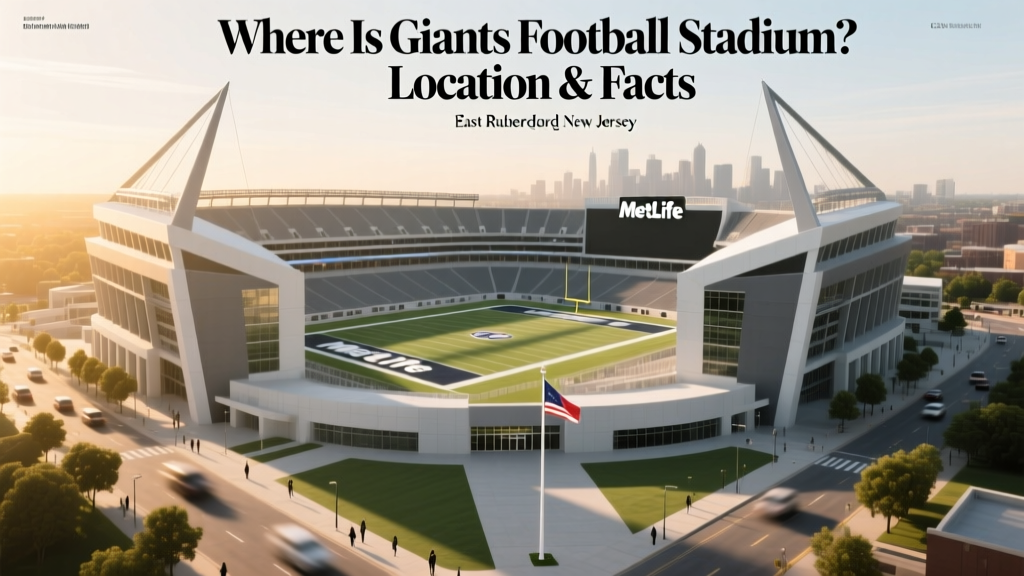 Where Is Giants Football Stadium? Location & Facts
 How Many Football Teams in the SEC? 2025 Update
 Where Was Football Invented? The True Origin Explained
 Who Is the Best Football Defender in 2025?
 Match Safety Tips for Fans and Players
 How Long Does a Football Game Last? Full Breakdown
 What Do You Call a Football Player? Term Explained
 What Channel Is the Kansas City Chiefs Game On?
 Georgia Bulldogs Ranked No. 3 in Latest 2025 Football Polls