
How Are Footballs Made? Manufacturing Process Explained
Footballs are made through a precise manufacturing process involving synthetic leather panels, a bladder for air retention, and stitching or thermal bonding to form a durable, aerodynamic sphere designed for professional play.
How Footballs Are Manufactured: A Step-by-Step Overview
The production of modern footballs combines advanced materials science with skilled craftsmanship. Whether intended for recreational use or elite competition, each ball follows a standardized process to ensure consistency in weight, size, bounce, and durability.
Key Materials Used in Football Construction
- Synthetic Leather (Polyurethane or PVC): Provides water resistance, soft touch, and consistent performance across weather conditions.
- Butyl or Latex Bladder: Retains air efficiently; butyl offers longer air retention while latex provides better responsiveness.
- Stitching Thread (Cotton or Polyester): Used in hand-stitched models for superior durability.
- Bonding Adhesives: Critical in thermal-bonded balls to fuse panels without stitches.
Types of Football Construction Methods
There are three primary methods used to assemble footballs: hand stitching, machine stitching, and thermal bonding. Each method impacts the ball’s performance, lifespan, and price point.
1. Hand-Stitched Footballs
Commonly used in professional leagues like FIFA World Cup matches, these balls offer superior shape retention and control. Skilled artisans sew the inner bladder and outer panels together using a curved needle.
2. Machine-Stitched Footballs
Faster and more cost-effective than hand stitching, machine-stitched balls are widely used in amateur competitions. The seams are tighter than glued versions but may lack the finesse of handwork.
3. Thermal-Bonded (Glued) Footballs
Used in many top-tier match balls today, such as Adidas’ Teamgeist or Nike’s All Conditions Control series, thermal bonding uses heat-activated adhesives to weld synthetic panels seamlessly. This creates a smoother surface, enhancing aerodynamics.
Production Process Breakdown
- Panel Cutting: Synthetic leather sheets are precision-cut into pentagons and hexagons using automated dies.
- Bladder Insertion: A butyl or latex bladder is inserted and inflated slightly to maintain shape during assembly.
- Assembly: Panels are stitched or bonded around the bladder.
- Molding & Shaping: The ball is placed in a spherical mold and pressurized to achieve perfect roundness.
- Quality Testing: Balls undergo tests for circumference, weight, water absorption, rebound height, and shape retention.
- Branding & Packaging: Final logos, colors, and branding elements are applied before packaging.
Performance Standards and Quality Testing
FIFA-approved footballs must meet strict certification standards under the FIFA Quality Programme. These include laboratory and field tests to ensure reliability at the highest levels of play.
| Test Parameter | FIFA Quality Pro Standard | FIFA Inspected Standard | Test Method |
|---|---|---|---|
| Circumference | 68.5–69.5 cm | 68.0–70.0 cm | After 5000 impacts |
| Weight | 410–450 g | 410–460 g | Before and after water absorption |
| Rebound Height | 125–155 cm | 100–160 cm | Dropped from 2 m onto steel plate |
| Water Absorption | Max 0.1% weight gain | Max 0.5% weight gain | 200 cycles of compression in water |
| Shape & Size Retention | ≤1.5% deviation | ≤2.0% deviation | 5000 impacts at 50 km/h |
The data shows that FIFA Quality Pro balls—used in professional leagues and tournaments—have tighter tolerances than FIFA Inspected balls, ensuring greater consistency and performance under extreme playing conditions. Notably, water absorption limits are significantly stricter for Pro-rated balls, preventing added weight during rainy matches. These benchmarks guide manufacturers in material selection and design innovation.
Innovation in Modern Football Design
Recent advancements have focused on reducing water uptake, improving grip in wet conditions, and optimizing flight stability. For example, micro-texturing on the surface enhances player control, while internal carcass layers stabilize the ball's structure.
- Nike Aerowsculpt: Grooves molded into the surface promote true flight trajectory.
- Adidas Smart Ball Technology: Embedded sensors track speed, spin, and location in real time (e.g., FIFA World Cup 2022).
- Seam Optimization: Reduced seam depth improves touch and reduces drag.
Frequently Asked Questions About How Footballs Are Made
What materials are used to make professional footballs?
Top-tier footballs use polyurethane (PU) synthetic leather for the outer casing due to its softness, durability, and water resistance. Inside, a butyl bladder ensures long-term air retention, while layered textiles reinforce the structure for enhanced shape stability.
Are all footballs hand-stitched?
No, only high-end match balls used in professional leagues are typically hand-stitched. Most recreational and training balls use machine stitching or thermal bonding, which is more efficient and cost-effective while still delivering good performance.
How many panels are on a standard football?
Traditional footballs have 32 panels (12 pentagons and 20 hexagons), following the truncated icosahedron design. However, modern designs like the Adidas Jabulani (2010) used just 8 panels, and the Teamgeist (2006) had 14, aiming for a smoother, more predictable flight.
What is the difference between FIFA Quality Pro and FIFA Inspected?
FIFA Quality Pro is the highest certification level, required for international competitions and top leagues. It has stricter testing standards than FIFA Inspected, especially in water absorption, rebound consistency, and shape retention, making it ideal for elite-level play.
Can footballs be recycled?
While most footballs are not easily recyclable due to composite materials and mixed layers, some brands like Adidas and Nike have launched take-back programs and experimental biodegradable prototypes. Innovations in sustainable manufacturing aim to reduce environmental impact in future production cycles.
More Articles
 How Tall Is a Football Goal Post? Official Height & Width
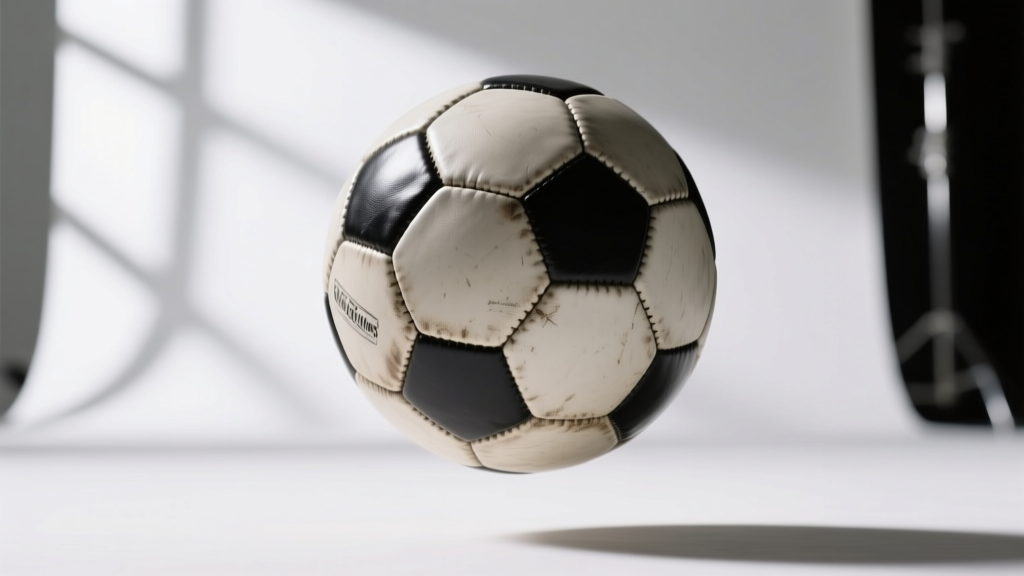 When Was the Last Football World Cup? Key Details
 Football World Cup Teams: 2026 Format & Count
 When Does NCAA Football Begin in 2025? Full Schedule Dates
 What Channel Is the Seahawks Game On Today?
 Cheap vs Premium Football Gear: Smart Picks
 How Much Do College Football Refs Make? (2025 Data)
 Detroit Lions Game Today Start Time: 1 PM ET
 How Many Teams Are in the NFL? Current Count Explained
 How Much Is a Football Helmet? (2025 Prices)