Football Helmet Fit: 6 Safety Checks
Why Helmet Fit Matters
A properly fitted football helmet is your first line of defense against head injuries. Studies show that ill-fitting helmets increase concussion risk by up to 40%.
Forehead Coverage
The helmet should sit level, covering the forehead about one inch above the eyebrows. Adjust front padding or inflation bladders for consistent coverage.
Side Padding Contact
Side pads should make firm contact with your temples. No gap between pad and skin. Most helmets come with interchangeable pad thicknesses.
Chin Strap Security
The chin strap must hold the helmet firmly without discomfort. Replace stretched or frayed straps immediately.
Back of Head Coverage
The shell should extend below the base of the skull. Many players wear helmets that ride too high in the back.
Facemask Alignment
Align with your face without pressing into your nose or chin. Eyes centered in the eye openings.
Shake Test
Shake your head vigorously. The helmet should move with your head, not slide independently.
- Replace after significant impact
- Every 10 years from manufacture date
- When padding compresses
More Articles
 What Conference Is Army Football In? (2025 Update)
 When Did Football Begin? The True Origins
 Where Did Dan Campbell Play Football? College & NFL Teams
 Basketball for Beginners: Rules and Tips
 How Big Is an NFL Football Field? Full Dimensions Explained
 Why Is Sunday Night Football Delayed? Causes Explained
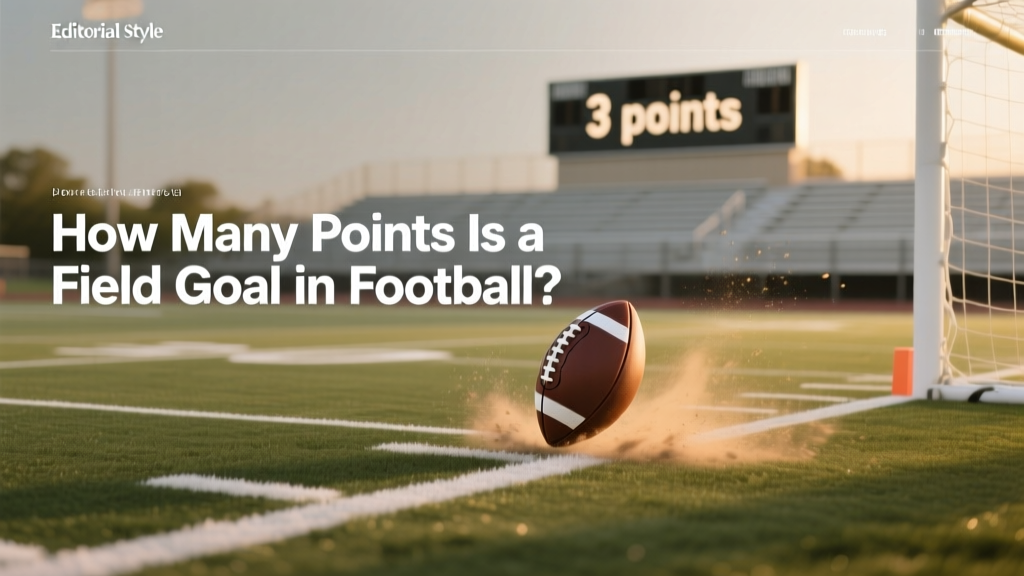 How Many Points Is a Field Goal in Football?
 Where Does UNLV Play Football? Home Stadium Info
 Who Invented Football? The True Origins of the Game
 What Happens If You Tie in Fantasy Football?