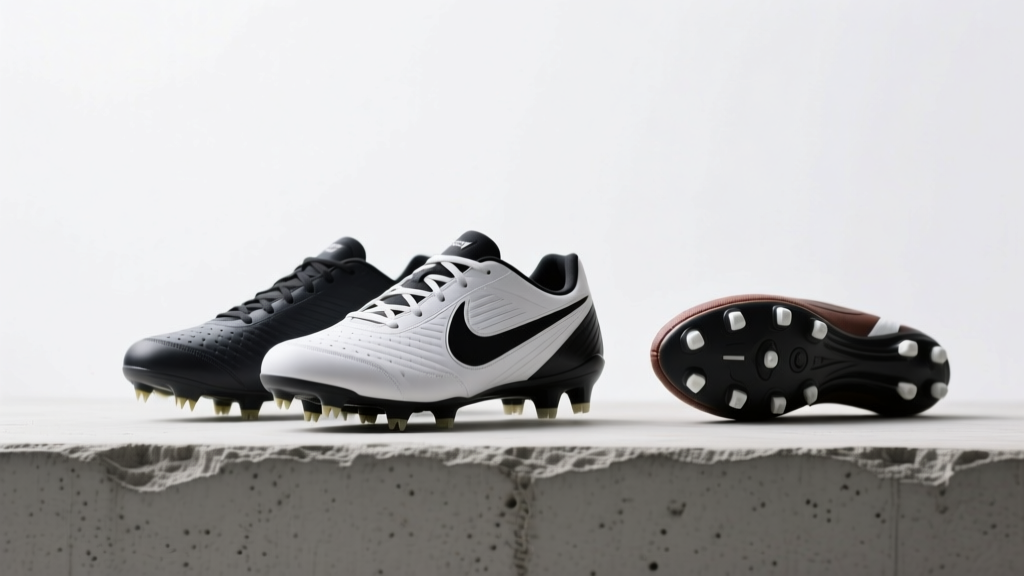
Can Baseball Cleats Be Used for Football? No – Here's Why
Baseball cleats should not be used for football due to significant differences in design, traction, and safety standards. While both sports require cleats for grip, football cleats are built for multidirectional movement, forward propulsion, and heavy contact, whereas baseball cleats prioritize lightweight construction and stability on dirt and grass around bases. Using baseball cleats in football increases the risk of injury and reduces performance.
Differences Between Baseball and Football Cleats
Understanding the structural and functional differences between baseball and football cleats is essential for athlete safety and optimal performance. Each sport demands specific footwear engineered for its unique movements and playing surfaces.
Traction and Stud Configuration
- Baseball cleats: Feature shorter, more concentrated studs under the forefoot, often with a metal or molded toe spike for quick push-offs at bases.
- Football cleats: Have longer, more distributed studs designed for superior grip during sudden cuts, sprints, and lateral movements on grass.
- Football cleats commonly include a front-facing cleat (toe stud) prohibited in some leagues, but it's more robust than the baseball toe spike.
Material and Ankle Support
- Football cleats are typically made from heavier-duty materials to withstand collisions and frequent abrasion.
- They come in low-cut, mid-cut, and high-top styles offering varying levels of ankle support—critical in a contact sport.
- Baseball cleats are almost always low-cut to maximize agility and base-running efficiency.
Safety Concerns of Using Baseball Cleats in Football
Wearing inappropriate footwear can lead to preventable injuries. Here are key risks associated with using baseball cleats in football:
- Ankle rolls: Lack of ankle support increases vulnerability during tackles or sharp cuts.
- Poor traction: Inadequate stud pattern may cause slipping during acceleration or directional changes.
- Increased injury risk: Metal spikes common in baseball cleats can pose hazards in contact situations.
- League violations: Many youth and high school football leagues prohibit non-football-specific cleats.
Performance Comparison: Football vs Baseball Cleats
To illustrate the performance gap, consider the following data comparing cleat types across critical metrics.
| Feature | Baseball Cleats | Football Cleats | Optimal For Football? |
|---|---|---|---|
| Stud Length (Avg.) | 0.25–0.5 inches | 0.5–0.75 inches | No |
| Stud Distribution | Forefoot-focused | Evenly distributed | No |
| Ankle Support Options | Low-cut only | Low, Mid, High-top | No |
| Weight (Avg. per shoe) | 8–10 oz | 11–14 oz | Partially (lighter = faster?) |
| Common Materials | Molded plastic, metal spikes | Composite, rubber, synthetic leather | No |
The data shows that football cleats are specifically engineered for power, stability, and dynamic movement. While baseball cleats are lighter, their design sacrifices the traction and support needed in football, making them unsuitable despite superficial similarities.
Regulations and League Rules
Most organized football leagues have strict guidelines regarding footwear:
- NFHS (High School): Requires cleats to be designed for football; metal spikes over 1/2 inch are banned.
- NFL: Allows various cleat types but mandates no sharp edges or modifications.
- Youth Leagues: Often prohibit any non-football cleats for safety reasons.
- College (NCAA): Follows NFHS standards with additional material restrictions.
Using baseball cleats may result in disqualification or increased liability in case of injury.
Frequently Asked Questions About Using Baseball Cleats for Football
Can I wear baseball cleats in a youth football game?
No, most youth football leagues explicitly prohibit baseball cleats due to safety concerns. Football-specific cleats are required to ensure proper traction and reduce injury risk during contact plays.
Are there any football positions where baseball cleats might be acceptable?
No position in football benefits from baseball cleats. Even skill positions like wide receivers or running backs require multidirectional traction and support that baseball cleats do not provide.
What happens if I wear baseball cleats in a football game?
You may be benched by officials for unsafe equipment. Additionally, you risk ankle sprains, reduced performance, and potential league penalties if the cleats violate material or spike regulations.
Can I use football cleats for baseball?
While safer than the reverse, it's not recommended. Football cleats are heavier and may hinder base-running speed and agility. They also wear out faster on dirt surfaces and aren't optimized for base sliding or pitcher’s mound traction.
Do baseball and football cleats fit the same?
Not necessarily. Football cleats often have a roomier toe box and different arch support to accommodate longer wear and impact. Fit varies by brand, so always try on sport-specific models for best results.
More Articles
 Why Is College Football So Popular? Key Reasons Explained
 Who Is the GOAT in Football? Messi, Ronaldo & More Compared
 What Channel Is College Football On Today? (Oct 2025)
 Who Coaches Ohio State Football in 2025?
 When Do the New England Patriots Play Next? 2025 Game Date
 What Does Aggregate Mean in Football? Explained
 All NFL Teams: Complete List of 32 Franchises
 Which Football Game Was Terrell Davis on the Cover Of?
 How Many Referees in an NFL Game? 7 Key Officials Explained
 Who Won the 2014 FIFA World Cup? Germany's Triumph