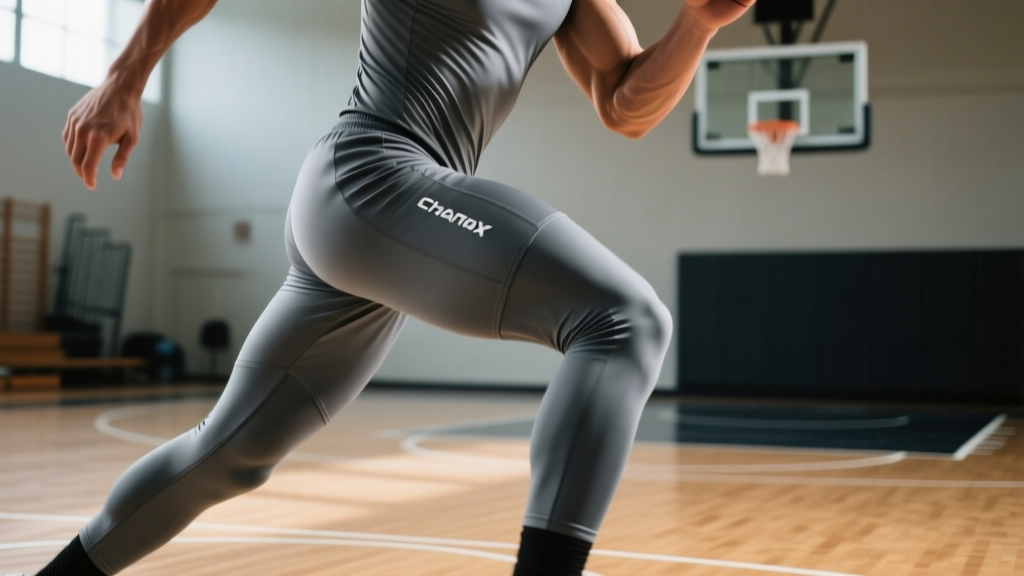
Why Do Basketball Players Wear Tights? Key Reasons
Basketball players wear tights primarily for muscle support, improved circulation, and injury prevention. These compression garments help stabilize muscles, reduce vibration during jumps and cuts, and enhance recovery by increasing blood flow. Additional benefits include temperature regulation, reduced muscle soreness, and protection from abrasions.
Why Do Basketball Players Wear Tights?
Compression tights have become a staple in modern basketball, worn by professionals and amateurs alike. While they may appear to be a fashion trend, their use is rooted in performance science and athlete health. The primary reasons basketball players wear tights include enhanced muscle support, better circulation, faster recovery, and reduced risk of soft tissue injuries.
Key Benefits of Wearing Compression Tights
- Muscle Support: Reduces muscle oscillation during explosive movements like jumping and sprinting.
- Improved Blood Flow: Graduated compression enhances venous return, delivering more oxygen to working muscles.
- Injury Prevention: Supports vulnerable areas like hamstrings and quadriceps, lowering strain risk.
- Temperature Regulation: Moisture-wicking fabric keeps legs cool and dry during intense play.
- Recovery Acceleration: Helps reduce delayed onset muscle soreness (DOMS) post-game or practice.
How Compression Technology Works
Compression tights apply consistent pressure to the limbs, typically measured in millimeters of mercury (mmHg). This pressure is calibrated to improve proprioception (body awareness) and reduce muscle fatigue. Scientific studies show that moderate compression (15–20 mmHg) can significantly increase circulation and decrease lactate buildup during high-intensity intervals common in basketball.
Types of Tights Used in Basketball
- Full-Length Compression Tights: Extend from waist to ankle; most common for games and training.
- Thigh Sleeves: Target quadriceps and hamstrings; used for localized support.
- Recovery Tights: Higher compression levels (20–30 mmHg); worn post-exercise to speed healing.
Scientific Evidence and Performance Data
Multiple peer-reviewed studies have analyzed the impact of compression wear on athletic performance and recovery. Below is a summary of key findings from recent research involving basketball players and similar athletes.
| Study | Participants | Compression Level | Performance Improvement | Recovery Benefit |
|---|---|---|---|---|
| Duffield et al., 2010 | 12 elite basketball players | 18 mmHg | 6% faster sprint times | 23% less DOMS after 48h |
| Kraemer et al., 2010 | 15 college athletes | 20 mmHg | Increased vertical jump by 2.1 cm | Faster lactate clearance |
| Scanlan et al., 2019 | 20 professional players | 15–22 mmHg | No significant power gain | 30% reported less fatigue |
| Hill et al., 2014 | 18 male athletes | 20 mmHg | Improved agility test times | Reduced muscle swelling |
The data indicates consistent recovery advantages across studies, even when performance gains are modest. Most athletes report subjective improvements in leg stability and reduced fatigue. While not all studies show dramatic performance boosts, the consensus supports tights as valuable for recovery and comfort.
Common Myths About Basketball Tights
Despite widespread use, misconceptions persist about why players wear tights.
- Myth: It’s just for style. While NBA fashion has evolved, tights serve functional purposes backed by sports science.
- Myth: Only injured players need them. Even healthy athletes use tights preventively to reduce strain risks.
- Myth: More compression is always better. Excessive pressure can restrict blood flow; optimal levels are 15–20 mmHg for activity.
Frequently Asked Questions About Why Basketball Players Wear Tights
Do compression tights really improve basketball performance?
While results vary, studies show modest improvements in sprint times, agility, and jump consistency. The most consistent benefit is reduced fatigue and faster recovery, allowing players to maintain peak performance throughout long seasons.
Can wearing tights prevent injuries in basketball?
Yes, compression tights help reduce the risk of muscle strains and pulls by stabilizing major leg muscles. They are especially effective in preventing hamstring and quad injuries during sudden accelerations or landings.
Are compression tights allowed in official basketball leagues?
Yes, the NBA, FIBA, NCAA, and most leagues permit compression tights as long as they meet uniform color and branding rules. Players often wear them under shorts or as standalone gear.
Should amateur basketball players wear tights?
Absolutely. Recreational players can benefit from the same support and recovery advantages. They are especially helpful for weekend warriors with limited training time who need faster recovery between games.
What’s the difference between tights and sleeves?
Tights cover the entire leg from waist to ankle, offering full-leg compression and thermal regulation. Sleeves only cover specific areas like thighs or calves and are used for targeted support or recovery without full coverage.
More Articles
 Official Basketball Size: By League, Age & Gender
 Where Did Basketball Begin? Origin & History Explained
 What Size Is a Basketball Court? Full Dimensions Explained
 How Long Is a Middle School Basketball Game?
 The Best Evidence-Based Exercise Guides for Athletes, Coaches, and Serious Trainees
 Who Plays College Basketball Tonight? Schedule & Matchups
 When Did Kobe Start Playing Basketball? Early Years Revealed
 Who Are the Richest Basketball Players in 2025?
 What Does a Center in Basketball Do? Key Roles Explained
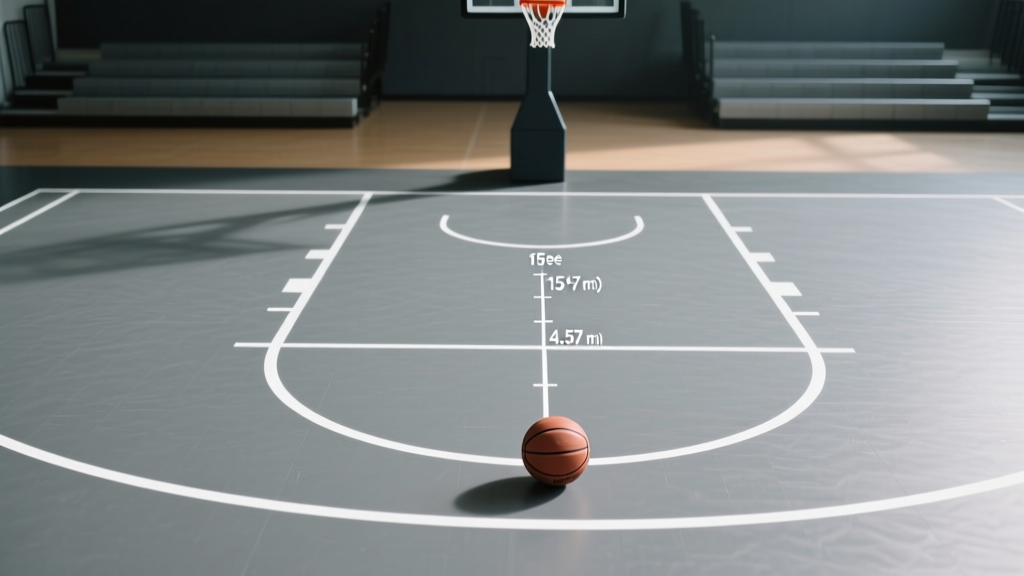 How Far Is a Free Throw Line in Basketball?