NBA Basketball Hoop Height: 10 Feet (2026)
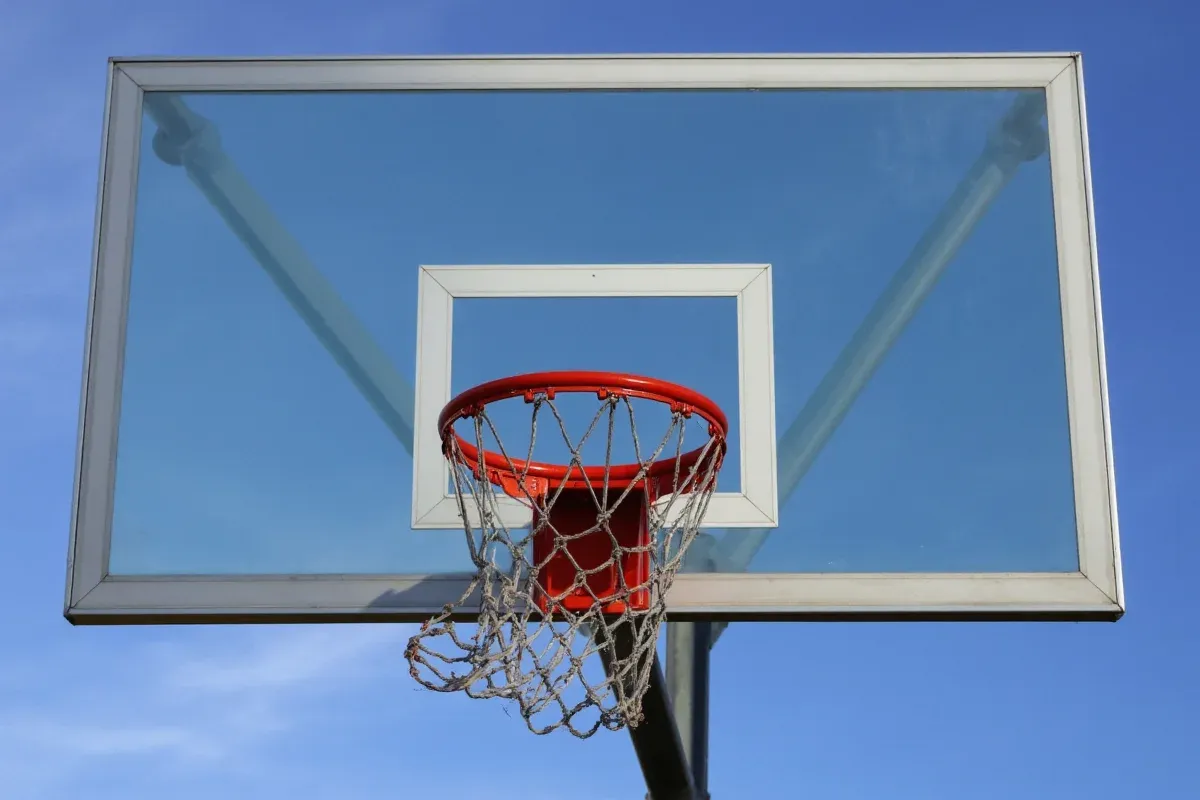
The official height of a basketball hoop in the NBA is 10 feet (3.05 meters) above the ground. This standard has been uniformly used since the game's invention in 1891 and remains consistent across all professional, collegiate, and most amateur levels worldwide.
Why Is the NBA Hoop Height Set at 10 Feet?
The 10-foot rim height is more than just tradition—it’s a foundational element of basketball’s design, balancing athleticism, skill, and fairness.
A Historical Perspective
- Basketball was invented by Dr. James Naismith in December 1891.
- The first hoops were peach baskets nailed to a balcony railing, which happened to be 10 feet high.
- Despite changes in equipment and play style, the height remained unchanged for consistency.
Impact on Gameplay and Athleticism
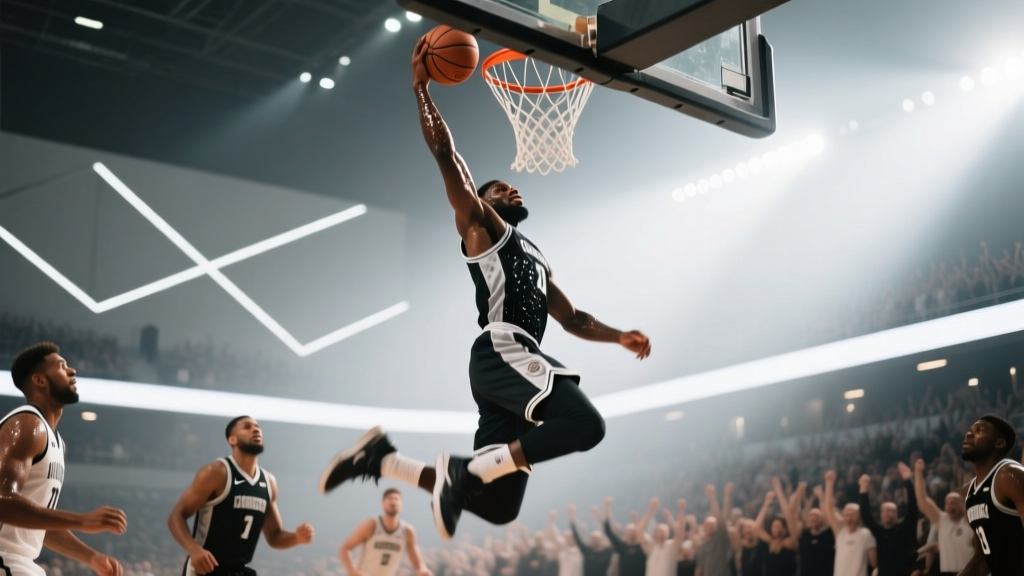
This fixed height challenges players’ vertical leap, timing, and shooting accuracy. It allows for dunks, blocks, and high-arcing shots that define modern NBA action.
Is the Hoop Height Different Across Leagues?
While the NBA uses a 10-foot standard, variations exist in youth and special leagues to accommodate developmental stages.
| League or Level | Hoop Height (feet) | Hoop Height (meters) | Notes |
|---|---|---|---|
| NBA | 10 | 3.05 | Standard for all games |
| NCAA Men | 10 | 3.05 | Same as NBA |
| NCAA Women | 10 | 3.05 | No difference from men's |
| High School (NFHS) | 10 | 3.05 | Consistent with pro level |
| FIBA | 10 | 3.05 | International standard |
| Youth Basketball (Ages 7–8) | 8 | 2.44 | Lowered for skill development |
| Youth Basketball (Ages 9–11) | 9 | 2.74 | Progressive adjustment |
| Special Olympics | 9 or 10 | 2.74 or 3.05 | Adapted by division |
The data shows universal consistency at elite levels. The 10-foot standard dominates professional and international competition. Deviations occur only in youth or adaptive programs to support growth and accessibility. This uniformity ensures that skills developed at lower levels transfer directly to higher competition.
How Is Hoop Height Measured and Enforced?
Precision matters. The NBA and other leagues enforce strict standards during setup and pre-game inspections.
Measurement Protocol
- Height is measured from the floor to the top of the metal rim.
- The rim must be perfectly level, with no tilt exceeding tolerance limits.
- Certified arena staff use laser tools or calibrated measuring tapes before each game.
Adjustable vs. Permanent Hoops
While permanent backboards in arenas are fixed, portable hoops used in training or schools often have adjustable mechanisms. These allow coaches to modify height for younger players while maintaining regulation specs for older ones.
Common Myths About NBA Hoop Height
- Myth: The NBA lowers hoops for dunk contests. Truth: No—dunks are performed on regulation 10-foot rims.
- Myth: Taller players require higher rims. Truth: Uniform height ensures fairness regardless of player size.
- Myth: Outdoor public hoops are always 10 feet. Truth: Many are improperly installed and may vary.
Frequently Asked Questions About NBA Basketball Hoop Height
Is the NBA hoop really 10 feet high?
Yes, the NBA basketball hoop is exactly 10 feet (3.05 meters) above the playing surface. This measurement is strictly enforced in all arenas and verified before every game.
Has the NBA ever changed the height of the rim?
No, the NBA has never changed the rim height since its founding in 1946. The 10-foot standard dates back to basketball’s invention in 1891 and has remained constant across all major rule changes.
Are women’s NBA rims lower than men’s?
No, the WNBA uses the same 10-foot rim height as the NBA. There is no difference in hoop height between men’s and women’s professional basketball.
Why don’t they raise the rim to counteract player height increases?
Raising the rim would fundamentally alter the game’s physics and history. Despite taller athletes, the 10-foot standard preserves legacy records, shot geometry, and court dimensions essential to competitive balance.
How can I check if my home hoop is 10 feet high?
Use a tape measure from the base of the floor to the top edge of the rim. For accuracy, use a laser level or have someone hold the tape vertically. Many residential hoops are mistakenly installed too low, especially adjustable models set incorrectly.
More Articles
 What Time Does USA Basketball Play Today?
 When Is Basketball Season? NBA, NCAA & Global Schedules
 When Does College Basketball Season Start? 2025-26 Dates
 Where Did Basketball Originate? The True Story
 Who Invented Basketball? The True Story
 Basketball Court Size: NBA, NCAA, FIBA & HS Dimensions
 Where Is the SEC Basketball Tournament Held in 2025?
 Basketball Ops: Matching Origins With Data
 Shortest Basketball Player in NBA History | Muggsy Bogues
 Highest Scoring Basketball Game Ever Recorded