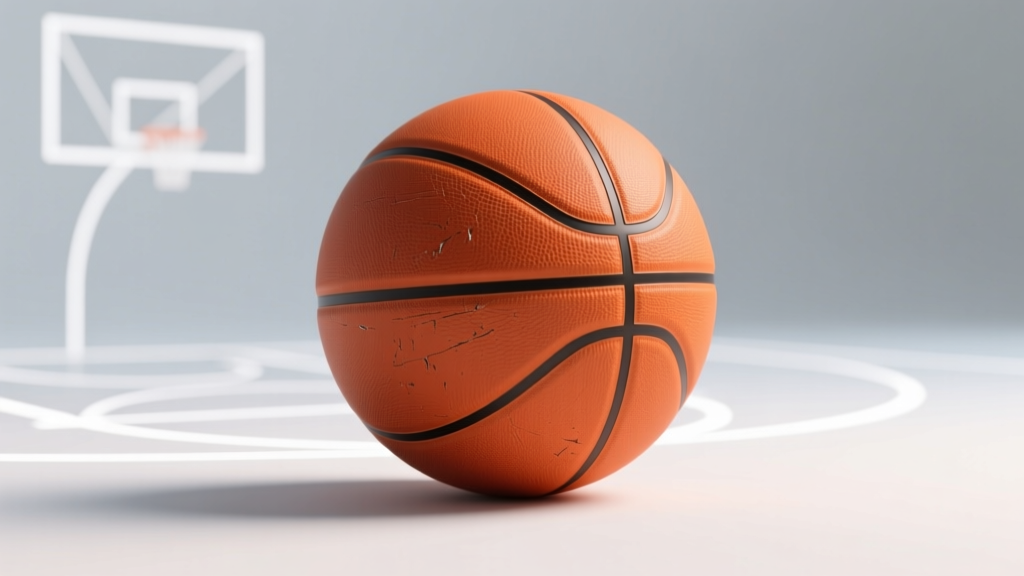
Why Are Basketballs Orange? Visibility & History Explained
Basketballs are orange to enhance visibility for players, referees, and spectators during games. This bright color contrasts sharply with most court surfaces and backgrounds, making it easier to track the ball's movement under various lighting conditions, especially on television.
Why Was Orange Chosen for Basketballs?
The decision to make basketballs orange was not arbitrary. It stemmed from practical needs in gameplay and broadcasting. Before the 1950s, basketballs were typically brown, which made them difficult to see clearly, especially in fast-paced action or low-light environments.
Problems with Brown Basketballs
- Low contrast against wooden courts and gym walls
- Harder for players to react quickly during passes and shots
- Challenging for referees to monitor ball handling
- Poor visibility on early black-and-white and color TV broadcasts
In 1957, Tony Hinkle, a coach at Butler University and an official with Spalding, advocated for a change. He introduced the orange basketball, which dramatically improved visual tracking. The NCAA adopted the orange ball soon after, and the NBA followed, cementing its status as the standard.
Science Behind the Color Choice
Orange sits near the center of the visible light spectrum and is highly perceptible to the human eye. This wavelength is processed efficiently by our retinas, especially in dynamic environments.
Visual Perception Advantages
- High luminance compared to red or brown
- Strong contrast against green, blue, and gray backgrounds (common in arenas)
- Better peripheral detection due to cone cell sensitivity
Studies in sports ergonomics confirm that high-visibility colors reduce reaction time by up to 15% in fast-moving team sports.
Adoption Timeline Across Leagues
| League/Organization | Year Adopted Orange Ball | Ball Manufacturer | Notes |
|---|---|---|---|
| NCAA (Men's Basketball) | 1958 | Spalding | First major league to adopt orange ball |
| NBA | 1987 | Spalding | Switched from traditional tan panels |
| FIBA | 1960s | Multiple | Standardized orange for international play |
| NFHS (High School) | 1960 | Spalding, Wilson | Aligned with NCAA standards |
| WNBA | 1997 (inaugural season) | Spalding | Launched with orange ball standard |
The data shows a clear progression from collegiate adoption in the late 1950s to full professional integration by the late 1980s. The NBA was relatively late in adopting the orange ball despite its proven benefits, largely due to tradition and branding concerns. FIBA’s early standardization helped global consistency.
Modern Variations and Alternatives
While orange remains the dominant color, variations exist for specific purposes:
- Indoor vs. Outdoor Balls: Indoor balls use pebbled leather in orange; outdoor versions often include composite materials and may come in multiple colors but retain orange as primary.
- Youth Sizes: Smaller sizes (e.g., Size 5–6) often feature brighter shades or patterns while maintaining orange base.
- Specialty Designs: Limited-edition balls for events like All-Star Games may incorporate black, metallic, or multicolor schemes but still emphasize orange elements.
Frequently Asked Questions About Why Basketballs Are Orange
Why aren't basketballs another color like yellow or red?
While yellow and red are also highly visible, orange offers superior contrast against common indoor and outdoor backdrops. Red can blend with dark seating or uniforms, and pure yellow may strain the eyes over time. Orange strikes the optimal balance between visibility and visual comfort.
Did all basketball leagues switch to orange at the same time?
No. The NCAA adopted orange basketballs in 1958, while the NBA did not switch until 1987. High school associations and FIBA followed in the 1960s. The delay in the NBA was due to tradition and initial resistance to changing the ball's appearance.
Who invented the orange basketball?
Tony Hinkle, a coach at Butler University and consultant for Spalding, is credited with introducing the orange basketball in 1957. His goal was to improve player performance and spectator experience through better visibility.
Are there any professional games played with non-orange basketballs?
Rarely. Some exhibition or streetball events use alternative colors for aesthetic reasons, but official NBA, FIBA, and NCAA games require orange basketballs to ensure consistency and fairness in play.
Does the color of the basketball affect player performance?
Yes. Research indicates that high-visibility colors like orange reduce cognitive load and reaction time. Players can track passes and movements more efficiently, leading to fewer turnovers and better defensive coordination.
More Articles
 How Many Games in NCAA Basketball Season?
 Syracuse Basketball Next Game: Schedule & Date (2026)
 What Does AAU Mean in Basketball? Explained
 What NBA Games Are On Tonight? Full Schedule & How to Watch
 All Basketball Positions Explained
 Who Is Playing Today in Basketball? NBA Schedule & Matchups
 When Does High School Basketball Start? 2025 Season Guide
 Creighton Basketball Arena: Where They Play (2026)
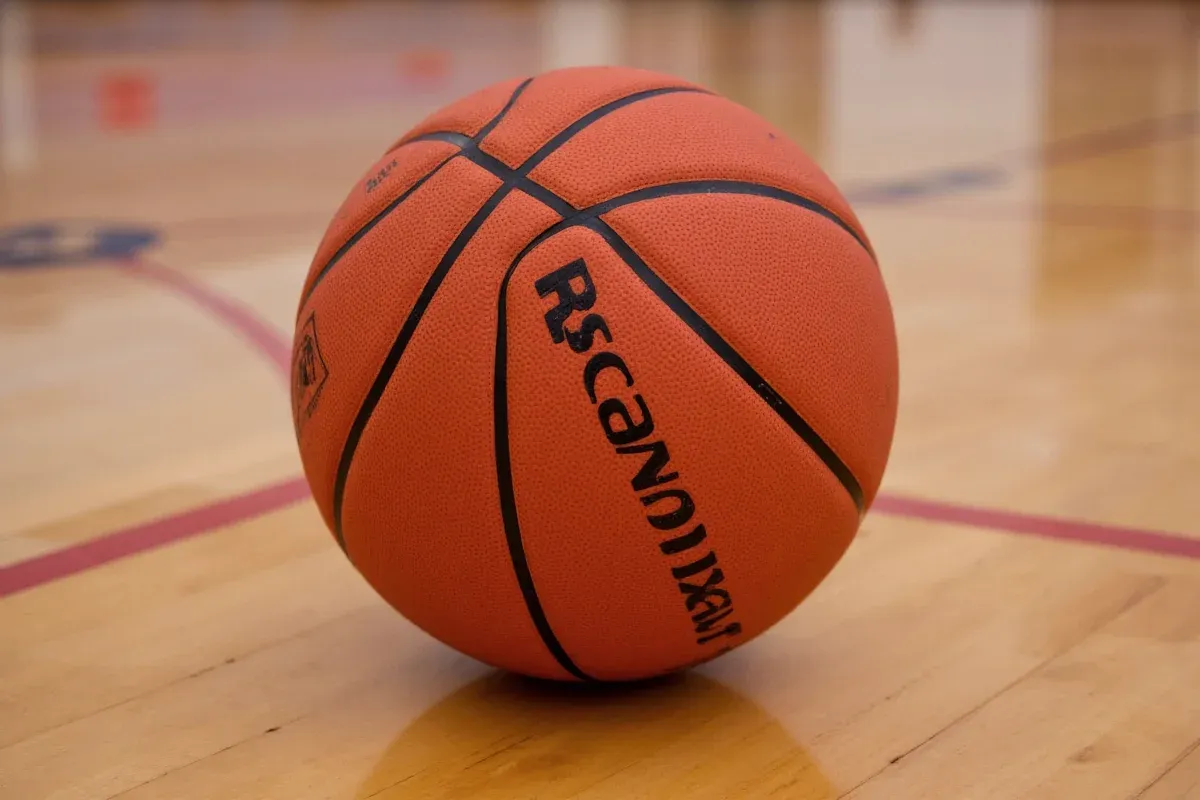 Picture of a Basketball: Features & Uses
 Duke Basketball Game Tonight Time & How to Watch