How Many People Play Basketball in the World?
Basketball is one of the most popular sports globally, with an estimated 450 million people actively playing the game worldwide as of 2025, according to data from FIBA and market research firms like Nielsen and Statista. This includes both organized players in leagues and recreational participants across schools, parks, and urban courts.
Global Reach of Basketball
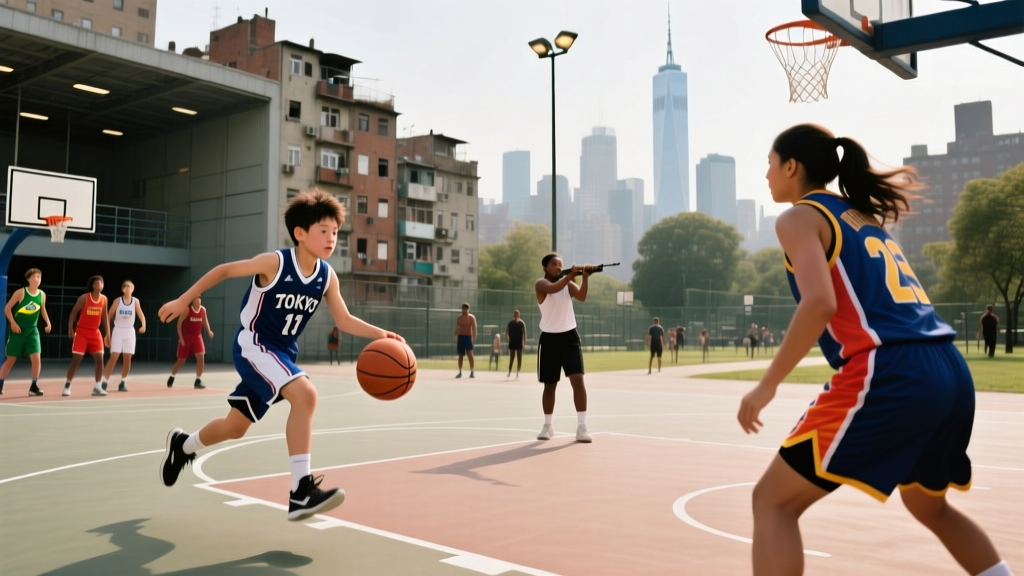
Basketball's universal appeal stems from its accessibility, minimal equipment requirements, and strong cultural presence, especially in urban areas. From pickup games on outdoor courts to professional leagues, basketball has grown into a global phenomenon.
Why Is Basketball So Popular?
- Simple rules and low entry barrier: All you need is a ball and a hoop.
- Youth engagement: Widely taught in schools and supported by youth leagues. \li>Influence of the NBA: Global marketing and star athletes like LeBron James and Stephen Curry boost interest.
- Urban adaptability: Easily played in cities with limited space.
- Social and fitness benefits: Encourages teamwork, coordination, and physical activity.
Regional Breakdown of Basketball Participation
The sport enjoys widespread participation across continents, though adoption varies based on infrastructure, culture, and media exposure.
| Region | Estimated Players (Millions) | Key Leagues | Notable Development Programs |
|---|---|---|---|
| North America | 120 | NBA, NCAA, NBAA | Junior NBA, AAU Tournaments |
| Asia | 100 | CBA (China), B.League (Japan) | FIBA Asia Cup, NBA Basketball School |
| Europe | 85 | EuroLeague, ACB (Spain) | FIBA Europe Youth Camps |
| Latin America | 60 | NBADL affiliates, Liga Nacional (Mexico) | FIBA Americas |
| Africa | 45 | BAL (Basketball Africa League) | NBA Academy Africa, Jr. NBA Africa |
| Oceania | 15 | NBL (Australia), NZNBL | Australian Institute of Sport |
| Middle East | 25 | WABA League, Israeli Premier League | FIBA West Asia Cup |
The data shows that North America and Asia lead in total player numbers, driven by high school programs in the U.S. and massive grassroots initiatives in China and India. The NBA’s investment in international academies and leagues like the Basketball Africa League (BAL) has significantly increased participation in developing regions such as Africa and the Middle East.
Youth and Recreational Involvement
A significant portion of basketball players are under 25. The sport is integrated into physical education curricula in over 100 countries.
Key Youth Programs Worldwide
- Jr. NBA: Operates in over 70 countries, reaching more than 26 million youth annually.
- FIBA Youth Competitions: U17 and U19 World Cups promote elite development.
- School and Community Leagues: Found in nearly every major city, often supported by local governments or NGOs.
Professional vs. Casual Play
While only a small fraction of players turn professional, casual play dominates global participation.
Participation Categories
- Organized Players: Registered with clubs, schools, or national federations (~80 million).
- Recreational Players: Play weekly in parks, gyms, or driveways (~370 million).
- Elite/Professional: Estimated at less than 100,000 globally, including NBA, EuroLeague, and national team athletes.
Frequently Asked Questions About How Many People Play Basketball
How many people play basketball in the United States?
Approximately 25 million people in the U.S. play basketball regularly, making it the most popular team sport among youth and adults. The NBA and NCAA drive extensive league participation from elementary to college levels.
Is basketball the second most played sport in the world?
Yes, basketball is widely considered the second most played team sport globally after soccer (football). With over 450 million participants, it surpasses volleyball, cricket, and tennis in total active players.
Which country has the most basketball players?
China has the highest number of basketball participants, estimated at over 300 million occasional players, followed closely by the United States. However, per capita participation is higher in the U.S. due to structured leagues and school programs.
How does FIBA count basketball players?
FIBA estimates participation through national federation reports, youth program enrollments, licensed players, and survey-based modeling. They include both registered athletes and those engaged in regular informal play when projecting global figures.
What age group plays basketball the most?
Players aged 12–24 represent the largest demographic, fueled by school programs, AAU circuits, and social recreation. However, adult leagues for ages 25–45 are growing rapidly in urban centers worldwide.
More Articles
 How Big Is a Basketball Rim? Size & Standards Explained
 How Long Does a High School Basketball Game Last?
 The Practical Court Buying Guide: From Backyard Hoops to Regulation-Grade Surfaces
 How Big Are Basketballs? Sizes by League & Age
 What Does SG Mean in Basketball? Explained
 What Does FG Mean in Basketball? Explained
 Gonzaga Basketball Tonight: Start Time & How to Watch
 What Season Is Basketball? Winter Sport Schedule Explained
 NCAA Basketball Tournament 2026: Full Field
 What PSI Should a Basketball Be? Official Guidelines