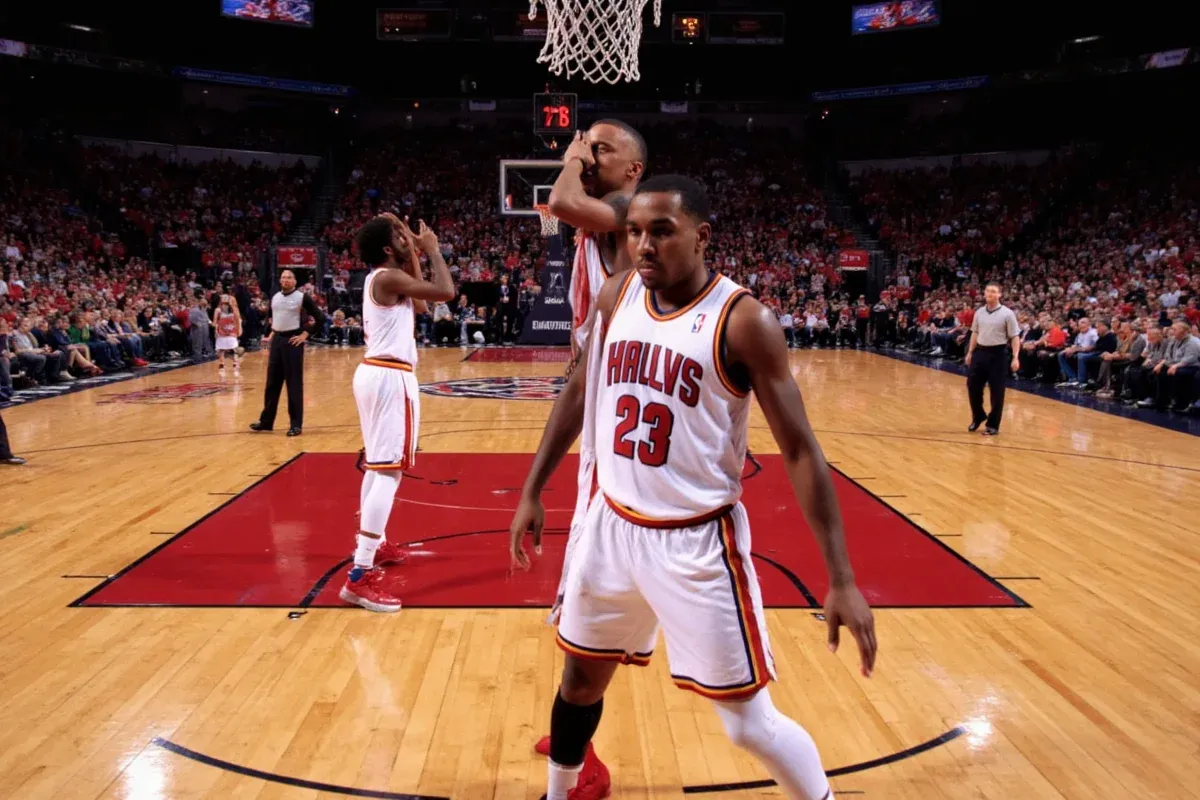
How Many Fouls to Foul Out in NBA Basketball?
In the NBA, a player fouls out after committing six personal fouls in a single game. This rule applies to all regular-season and playoff games, ensuring fairness and strategic depth in player rotation and defensive tactics.
Understanding Foul Outs in the NBA
The NBA's foul-out system is designed to penalize excessive physical play while maintaining competitive balance. Players who accumulate too many personal fouls are removed from the game to prevent unfair advantages or potential injuries.
What Constitutes a Personal Foul?
- Illegal physical contact with an opponent, such as pushing, holding, or blocking.
- Defensive fouls during shooting attempts, which may result in free throws.
- Loose-ball fouls when neither team has possession.
- Flagrant fouls involving excessive or unnecessary contact.
NBA Foul Rules Overview
The NBA enforces strict foul regulations to maintain game integrity. Here’s a breakdown of key rules related to fouling out:
- A player is disqualified upon their sixth personal foul.
- Fouls reset at the end of each game; they do not carry over to future games.
- Technical fouls do not count toward foul-outs but can lead to ejections if accumulated.
- Players in “bonus” situations (team fouls per quarter) allow opponents to shoot free throws.
Differences Between NBA and Other Leagues
While the NBA uses a six-foul limit, other basketball leagues have different standards:
| League | Fouls to Foul Out | Overtime Rules | Reset After Halftime? |
|---|---|---|---|
| NBA | 6 | No additional fouls granted | No |
| FIBA | 5 | Players keep fouls; no extra allowance | No |
| NCAA Men | 5 | Players receive one additional foul in OT | No |
| NCAA Women | 6 | Players receive one additional foul in OT | No |
| High School (NFHS) | 5 | Players receive one additional foul in OT | No |
The data shows that the NBA allows more fouls before disqualification compared to FIBA and NCAA men’s basketball. This reflects the NBA’s emphasis on physical defense and star-player endurance. The NCAA women’s league aligns with the NBA at six fouls, indicating a shift toward consistent standards across elite levels.
Strategic Implications of Foul Trouble
Coaches must manage players in “foul trouble” — typically defined as three or more fouls before halftime. Remaining in the game despite foul accumulation requires careful risk assessment.
Common Strategies Include:
- Temporarily benching key players with early fouls.
- Switching to zone defenses to reduce individual guarding responsibilities.
- Using foul-prone players in low-risk situations or against non-scorers.
- Encouraging disciplined, positioning-based defense to avoid unnecessary contact.
Historical Context and Notable Foul-Outs
Throughout NBA history, several high-profile players have fouled out in critical moments, impacting game outcomes. For example, Shaquille O'Neal was notorious for foul trouble due to his aggressive interior presence. Modern big men like Rudy Gobert and Joel Embiid often face similar challenges.
Despite rule changes aimed at reducing hand-checking and promoting offense, the six-foul standard has remained unchanged since the league's early years, highlighting its stability in professional basketball regulation.
Frequently Asked Questions About Foul Outs in the NBA
How many fouls does it take to foul out in the NBA?
A player fouls out after committing six personal fouls in a single NBA game. This rule has been consistently applied throughout the league’s history.
Do team fouls lead to player disqualification?
No, team fouls do not cause a player to foul out. Only personal fouls count toward the six-foul limit. Team fouls determine bonus free throw situations.
Can a player return after fouling out?
No, once a player commits their sixth personal foul, they are disqualified and cannot return to the game, regardless of remaining playing time.
Are technical fouls included in the foul-out count?
No, technical fouls are separate from personal fouls and do not contribute to fouling out. However, two technicals result in ejection, independent of personal foul count.
Has the NBA ever changed the number of fouls to foul out?
No, the NBA has always used a six-foul limit since its inception. While minor rule adjustments have occurred, this fundamental standard remains unchanged.
More Articles
 How Tall Is the Average Basketball Player in 2025?
 Where Can I Play Basketball Near Me? Top Local Spots
 Basketball Shoe Traction Patterns Explained
 Purdue Basketball Game Today: Start Time & How to Watch
 Where Do the Pistons Play Basketball? Arena Info & History
 Where Did SGA Play College Basketball? Kentucky Facts
 How High Are Regulation Basketball Hoops? (10 Feet)
 What Channel Is the Memphis Tigers Game On Tonight?
 Basketball Tips: Data-Backed Strategies
 Best Basketball Player in the World 2025: LeBron James