Basketball Shoe Traction Patterns Explained
Why Traction Is Everything in Basketball
Basketball demands rapid changes of direction — crossovers, defensive slides, and explosive drives to the basket all depend on your shoe's ability to grip the court. A great traction pattern can improve your first-step quickness by milliseconds that matter in game situations.
Common Traction Patterns
Herringbone
The classic zigzag pattern provides reliable multi-directional grip. It's the most versatile option, working well for guards who make sharp lateral cuts and forwards who need stability in the post. The wide grooves also resist dust buildup on indoor courts.
Circular/Radial
Concentric circles around the ball of the foot optimize pivot movements. Point guards and players who rely on spin moves benefit most from this pattern. However, circular patterns can struggle with dust on poorly maintained courts.
Multi-Directional Blade
Modern designs use computer-generated blade patterns that flex independently. These provide targeted grip where you need it most (forefoot for drives, heel for stops) while allowing natural foot flexion. Brands like Nike and Adidas have proprietary versions of this technology.
Rubber Compound Matters Too
Soft, sticky rubber grips better but wears faster. Hard rubber lasts longer but may slip on dusty courts. Translucent outsoles look great but are often softer and attract more dust. For outdoor play, always choose solid, non-marking rubber.
Court Surface Compatibility
- Indoor hardwood: Soft rubber with deep grooves. Herringbone or blade patterns work best.
- Outdoor concrete: Durable hard rubber with wider spacing between grooves to handle debris.
- Gym floors: Medium-soft rubber. Avoid translucent soles as they leave marks on some surfaces.
Maintenance Tips
Wipe your soles with a damp cloth after every session. Dust accumulation is the #1 killer of traction. For deep cleaning, use a soft brush and mild soap. Replace your shoes when the tread depth drops below 2mm — worn traction is a recipe for ankle injuries.
More Articles
 Don Meyer Basketball Coach: Career Record & Legacy
 Where Can I Buy Basketball Cards? Top 2025 Sources
 How Long Are Middle School Basketball Games?
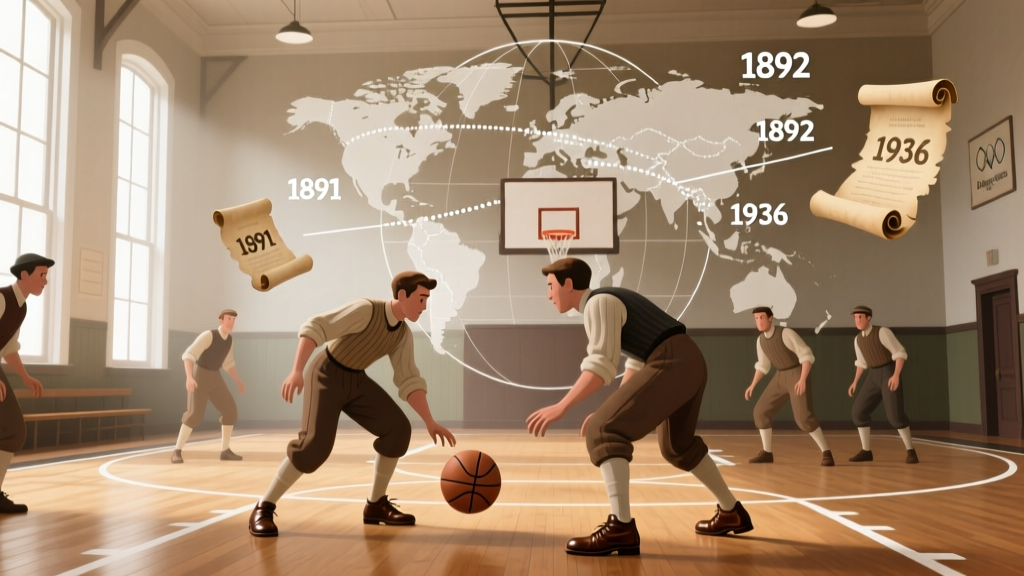 When Was Basketball Invented? History & Origins
 Match Schedule Planning for Coaches
 What Does FT Mean in Basketball? Explained
 Where to Watch Basketball Games: Live Streams & TV Guide
 How Many People Play Basketball in the World?
 Michigan Basketball Next Game & Schedule (2026)
 Best Basketball Shoes: Performance and Fit