
Basketball Hoop: Standard Height, Size & Types Explained
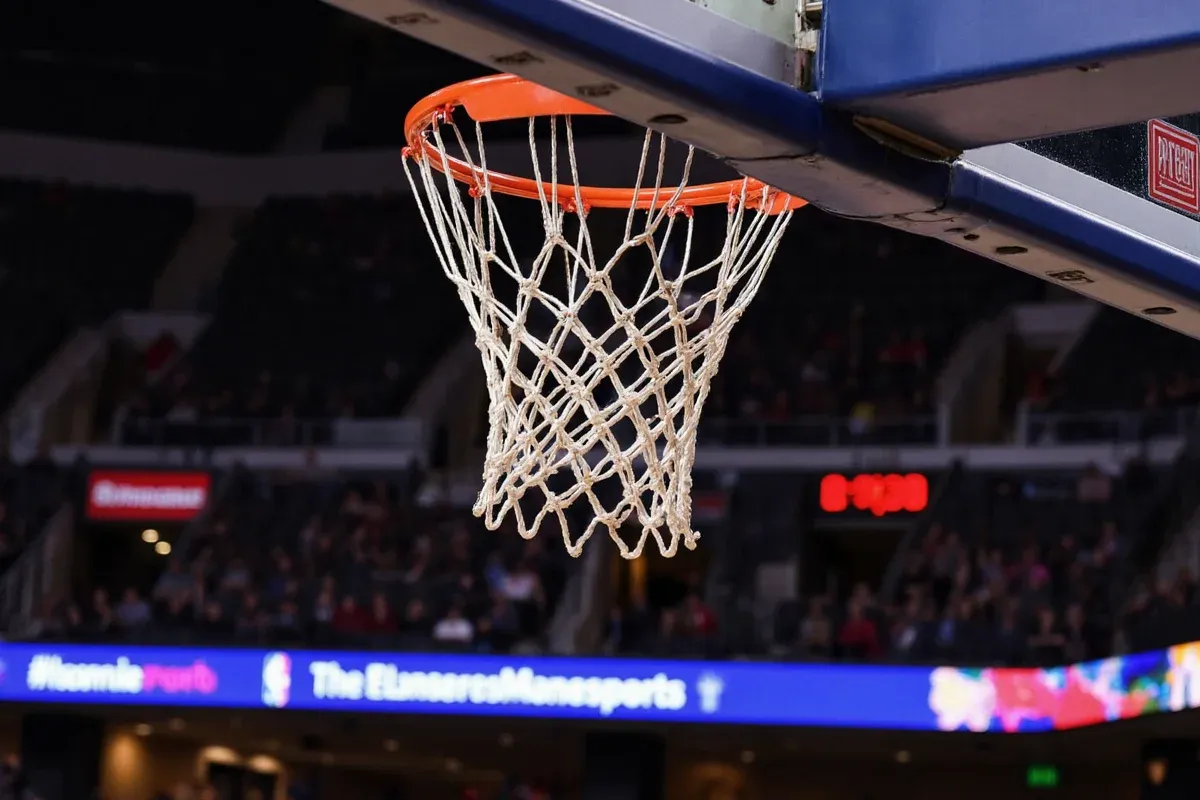
A basketball hoop is a key component of a basketball system, consisting of a metal rim (officially 18 inches in diameter) mounted to a backboard, with a net attached, used for scoring by shooting the ball through it. Standard height is 10 feet (3.05 meters) above the ground, used in professional, collegiate, and recreational play worldwide.
Understanding the Basketball Hoop: Components and Function
The basketball hoop is more than just a target—it's a precision-engineered sports fixture designed for durability, consistency, and fair play. Whether on an outdoor driveway or an NBA court, every hoop shares core components that define its performance.
Key Parts of a Basketball Hoop
- Rim (or hoop): A steel ring with a 18-inch inner diameter, typically made from 5/8-inch solid steel rod.
- Net: Suspended from the rim, usually made of nylon or chain-link material to slow the ball and visually confirm a made shot.
- Backboard: Provides rebound surface; standard size is 72" x 42" in professional settings, smaller in youth or residential models.
- Mounting system: Includes pole, wall-mount, or portable base depending on setup type.
- Breakaway mechanism: Found in regulation hoops, allows the rim to flex under dunking force and return to position.
Types of Basketball Hoops and Their Uses
Different environments and skill levels require specific hoop designs. Choosing the right one impacts safety, longevity, and gameplay quality.
In-Ground Permanent Hoops
Installed with a concrete foundation, these offer maximum stability and are ideal for serious players and competitive training. They often feature adjustable heights and tempered glass backboards.
Portable Hoops
Mounted on a wheeled base filled with water or sand, these are popular for driveways and temporary setups. Easy to move but less stable than in-ground systems.
Wall-Mounted Hoops
Suitable for limited spaces like garages or indoor gyms. Require strong structural support and may have fixed or adjustable heights.
Recreational vs. Regulation Hoops
Recreational hoops use lower-cost materials and fixed rims. Regulation hoops meet official standards (FIBA, NCAA, NBA) with breakaway rims, consistent backboard dimensions, and precise height calibration.
Regulation Dimensions and Standards
To ensure fairness and consistency across competitions, international governing bodies enforce strict specifications for basketball hoops.
| Specification | NBA | FIBA | NCAA | Youth (Ages 7–10) |
|---|---|---|---|---|
| Rim Height | 10 ft (3.05 m) | 10 ft (3.05 m) | 10 ft (3.05 m) | 8–9 ft (2.44–2.74 m) |
| Rim Diameter | 18 in (45.7 cm) | 18 in (45.7 cm) | 18 in (45.7 cm) | 18 in (45.7 cm) |
| Backboard Size | 72" x 42" | 72" x 42" | 72" x 42" | 48" x 30" or smaller |
| Net Length | 15–18 in | 15–18 in | 15–18 in | 12–15 in |
| Breakaway Rim Required | Yes | Yes | Yes | No |
The data shows universal agreement on rim diameter and professional height across major leagues. The key differentiator is the mandatory use of breakaway rims in elite play, enhancing safety during dunks. Youth configurations prioritize accessibility with lower heights and smaller backboards to aid skill development.
Performance Features in Modern Basketball Hoops
Today’s hoops integrate advanced engineering to improve responsiveness and durability.
Adjustable Height Mechanisms
Popular in home and training systems, these allow users to modify rim height from 7.5 to 10 feet. Common types include lever-lock, turn-dial, and hydraulic lifts—each varying in ease of use and precision.
Tempered Glass vs. Acrylic Backboards
- Tempered glass: Offers superior rebound consistency and clarity; used in professional arenas.
- Acrylic: More affordable and impact-resistant but less responsive; common in residential setups.
- Polycarbonate: Lightweight and shatterproof, ideal for outdoor youth courts.
Weather Resistance and Durability
Outdoor hoops must withstand UV exposure, rain, and temperature swings. Powder-coated rims, rust-resistant hardware, and UV-protected backboards extend lifespan significantly.
Common Questions About Basketball Hoops
What is the standard height of a basketball hoop?
The standard height for a basketball hoop is 10 feet (3.05 meters) above the playing surface. This measurement is consistent across NBA, FIBA, NCAA, and high school regulations. Youth leagues often use lower heights (8–9 feet) to accommodate developing players.
Are all basketball rims 18 inches in diameter?
Yes, official basketball rims have an inner diameter of 18 inches (45.7 cm). This standard is enforced by the NBA, FIBA, and NCAA. While some low-end recreational hoops may vary slightly, regulation play requires exact dimensions for consistency and fairness.
Do basketball hoops need breakaway rims?
Breakaway rims are required in professional and collegiate competition to prevent injury and equipment damage during dunks. They pivot under pressure and return to horizontal position. Recreational hoops may use fixed rims, but breakaway models are recommended for players over age 12.
How deep should a basketball pole be in the ground?
For in-ground hoops, the pole should be buried at least 24–36 inches deep, depending on frost line and wind load. Most manufacturers recommend a 16-inch diameter hole filled with 100–130 lbs of concrete for optimal stability. Always follow installation guidelines for your specific model.
Can I adjust the height of my basketball hoop?
Many modern hoops offer height adjustment via mechanisms like ratcheting systems, crank lifts, or tool-assisted pins. Adjustable ranges typically span from 7.5 to 10 feet, making them ideal for families or training facilities with players of varying ages and skill levels.
More Articles
 How Many Games in NCAA Basketball Season?
 How Many Periods in a Basketball Game? By League Explained
 NBA Offense and Defense Strategies
 What Channel Is Michigan State Basketball On?
 How Long Are Quarters in Basketball by League?
 Who Is the Best Ever Basketball Player? MJ Tops the List
 Cheap vs Premium Basketball Courts: Value Explained
 Basketball Shoe Cushioning Tech Compared
 Duke Basketball Game Today Start Time & How to Watch
 How High Is a Basketball Rim in the NBA?