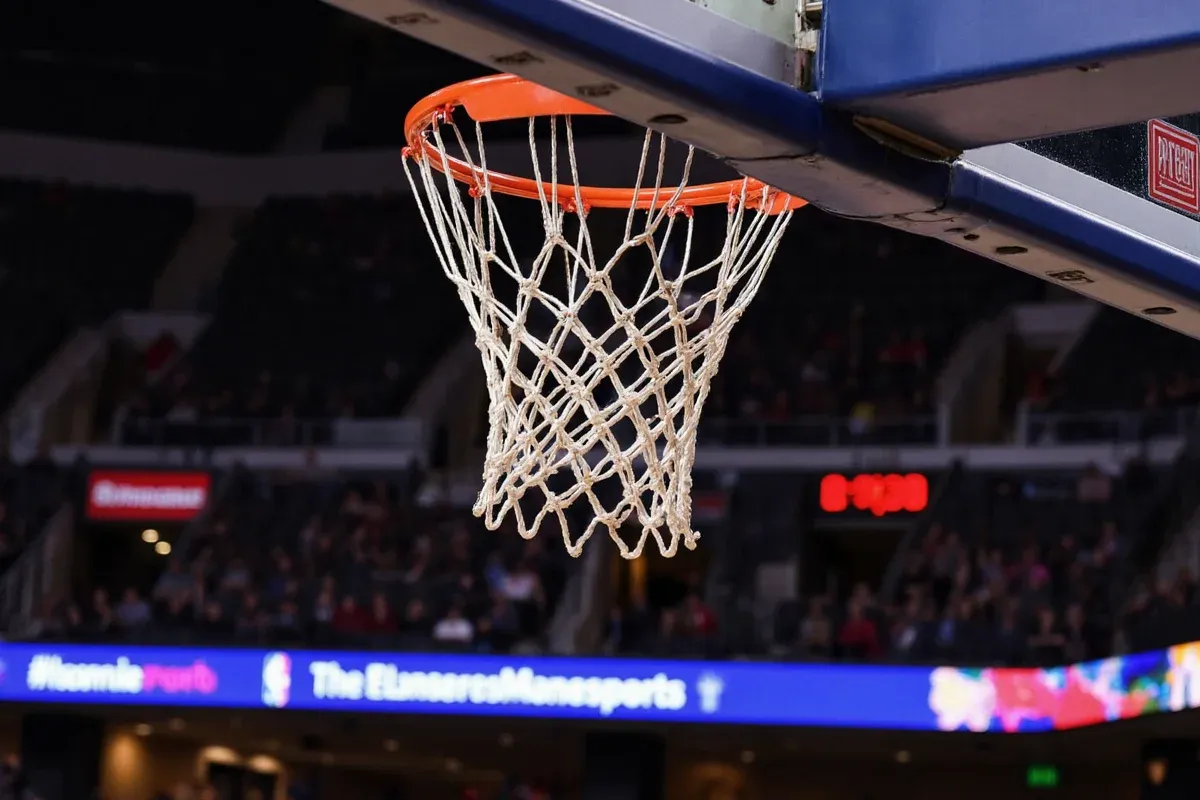
How High Is a Basketball Rim in the NBA?
The NBA basketball rim is exactly 10 feet (3.05 meters) high from the ground, a standard height established in the sport's early years and maintained consistently across all professional games.
Understanding NBA Basketball Rim Height
The official height of a basketball rim in the NBA is 10 feet (3.05 meters) above the playing surface. This measurement has been standardized since the inception of basketball by Dr. James Naismith in 1891, when peach baskets were nailed to a balcony railing at that exact height. Today, every NBA court adheres strictly to this regulation to ensure fairness, consistency, and competitive integrity across all teams and venues.
Why Is the Rim Height Set at 10 Feet?
- The 10-foot height was originally chosen because it matched the height of the balcony railing where the first game was played.
- It provides a balanced challenge between scoring and defense, making the game both athletic and strategic.
- This height allows for dynamic plays such as dunks, blocks, and high-arching shots while remaining accessible for players of various heights.
- Standardization ensures uniformity across leagues worldwide, from youth levels to the pros.
Rim Height Across Different Levels of Play
While the NBA maintains a 10-foot rim, other leagues and age groups may use different heights to accommodate player development and safety. Below is a detailed comparison:
| Level of Play | Rim Height (feet) | Rim Height (meters) | Notes |
|---|---|---|---|
| NBA | 10 | 3.05 | Professional men's league; strict enforcement |
| NCAA Men | 10 | 3.05 | Same as NBA |
| NCAA Women | 10 | 3.05 | No difference in rim height from men's |
| High School (Boys) | 10 | 3.05 | Follows NCAA/NBA standard |
| High School (Girls) | 10 | 3.05 | Same as boys' level |
| Middle School | 9–10 | 2.74–3.05 | Sometimes lowered for younger players |
| Youth Leagues (Ages 5–10) | 6–8 | 1.83–2.44 | Adjustable rims common |
| FIBA | 10 | 3.05 | International standard matches NBA |
The data shows that while elite and high school competitions universally adopt the 10-foot standard, youth and developmental programs often modify rim height to enhance skill acquisition and reduce injury risk. The consistency at higher levels ensures seamless transition for athletes moving into professional ranks.
Impact of Rim Height on Game Performance
A fixed 10-foot rim significantly influences player performance, strategy, and evolution of the game. Over time, increased athleticism has led to more dunking and shot-blocking, directly tied to how players adapt to this unchanging vertical challenge.
Key Effects on Player Development
- Players must develop explosive jumping ability to finish at the rim effectively.
- Shooting mechanics are shaped around achieving optimal arc to clear defenders and drop through a 10-foot hoop.
- Taller players gain a natural advantage near the basket, though modern guards counter with speed and leaping ability.
- Defensive schemes emphasize rim protection, leading to specialized roles like shot-blockers and help defenders.
Common Questions About NBA Basketball Rim Height
Is the NBA rim really 10 feet high?
Yes, the NBA rim is precisely 10 feet (3.05 meters) above the ground. This measurement is verified before every game and strictly enforced across all arenas.
Has the NBA ever changed the rim height?
No, the NBA has never altered the rim height since its founding in 1946. The 10-foot standard dates back to the invention of basketball in 1891 and remains unchanged to preserve the integrity of the game.
Do women’s leagues use a lower rim?
No, women’s professional leagues including the WNBA, as well as NCAA women’s basketball, use the same 10-foot rim height as men’s leagues. Skill development and game strategy are built around this universal standard.
Can you adjust an NBA rim height during a game?
No, NBA rims are permanently set at 10 feet and cannot be adjusted during gameplay. Any deviation would violate league regulations and result in immediate correction by arena staff.
Why don’t they lower the rim to increase scoring?
Lowering the rim would fundamentally alter the sport’s balance between offense and defense. The current height challenges athleticism while rewarding skill, and changing it could diminish the prestige of records and historical comparisons.
More Articles
 Who Is the Youngest Pro Basketball Player?
 How Long Are Middle School Basketball Games?
 How Long Is a Basketball Court in Meters?
 When Does Duke Play Basketball? 2024-2025 Schedule
 How Long Is a Basketball Game? By League Explained
 Who Is Playing Basketball Today? Top Players & Stats
 Why Do Basketball Players Wear Tights? Key Reasons
 How Many Periods in Basketball? By League Explained
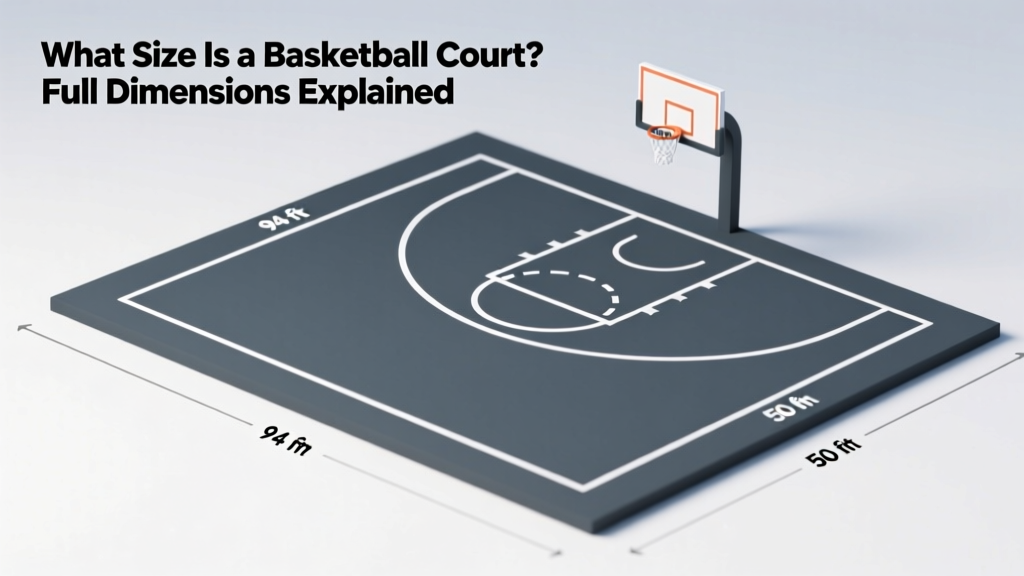 What Size Is a Basketball Court? Full Dimensions Explained
 What Was the First Basketball Team in the NBA?