Why Does One Volleyball Player Wear a Different Color?
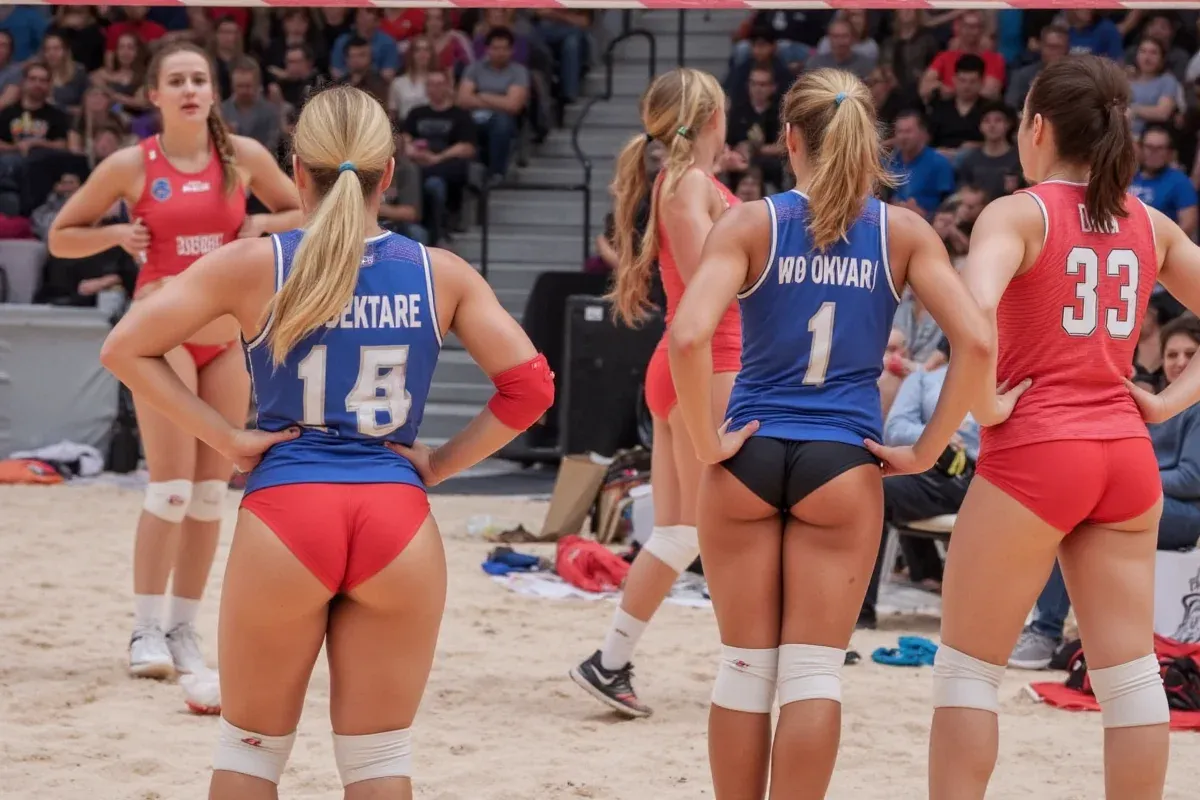
In volleyball, one player wears a different color to indicate they are the designated libero--a specialized defensive player who cannot attack or serve but excels in receiving and digging. This rule enhances team strategy and player safety.
What Is the Libero in Volleyball?
The libero is a unique defensive specialist introduced by FIVB in 1998 to improve back-row play and ball control. Unlike other players, the libero wears a contrasting jersey to be easily identified by referees, opponents, and spectators.
Key Responsibilities of the Libero
- Specializes in reception and defensive plays
- Cannot perform front-row actions such as spiking from above the net or blocking
- Cannot serve in most official competitions (varies by league)
- Exempt from regular rotation rules, allowing seamless substitutions
Why Does the Libero Wear a Different Color?
The contrasting jersey color serves several critical purposes:
- Referee identification: Helps officials track legal substitutions and enforce positional restrictions.
- Team coordination: Allows teammates to quickly locate the libero during fast-paced rallies.
- Fan engagement: Makes it easier for spectators and broadcasters to follow defensive strategies.
- Safety compliance: Prevents confusion that could lead to illegal plays or rotation errors.
Libero Rules Across Major Leagues
While the core libero concept is universal, specific regulations vary slightly between organizations. Below is a comparison of key rules:
| League | Can Libero Serve? | Can Libero Block? | Jersey Contrast Required? | Max Liberos Per Team |
|---|---|---|---|---|
| FIVB (International) | No | No | Yes | 2 (one active) |
| NCAA (USA College) | Yes (designated serve-receive only) | No | Yes | 2 (can both play) |
| CEV (Europe) | No | No | Yes | 2 (one on court) |
| AVC (Asia) | No | No | Yes | 1 |
| Pro Beach Volleyball (FIVB 4x4) | No | No | Yes | 1 |
The data shows consistent enforcement of non-blocking and jersey contrast rules across all leagues, underscoring the libero’s defensive role. Notably, NCAA allows serving flexibility, enhancing strategic depth in collegiate play. The FIVB standard of two named liberos per team is widely adopted, though some regions limit active participation.
How the Libero Impacts Team Strategy
Coaches use the libero to strengthen weak back-row transitions. Because the libero can substitute freely without counting toward team limits, teams maintain constant defensive pressure.
Tactical Advantages Include:
- Improved serve-receive accuracy
- Better floor defense against powerful spikes
- Preservation of front-row hitters for offensive roles
- Extended rally duration due to superior ball control
Common Questions About the Libero Position
Why can’t the libero serve in most competitions?
To maintain balance between offense and defense, most leagues prohibit the libero from serving. This prevents teams from stacking defensive talent in service rotations. However, NCAA allows one designated serve-receive libero to serve from one rotation position.
Can a team have more than one libero?
Yes, under FIVB rules, teams may designate up to two liberos. However, only one can be on the court at a time. Both wear contrasting jerseys, and coaches can switch them during dead balls following proper procedures.
Does the libero count as a substitution?
No, libero entries and exits do not count toward the team’s 12 allowed substitutions per set. This allows for fluid back-row adjustments without exhausting tactical options.
Can the libero attack the ball?
The libero can attack, but only from behind the 3-meter line and if the set does not originate from inside the front zone. They are strictly prohibited from completing an overhead attack while positioned in front of the attack line.
When was the libero position introduced?
The libero role was officially introduced by FIVB in 1998 to enhance back-row play and reduce unforced errors. It was inspired by similar defensive roles in Asian volleyball and has since become a staple in international and professional leagues.
More Articles
 Where to Watch MMA Fights Live & On-Demand (2025)
 How Many Games Left in MLB 2025 Season?
 How Many Super Bowls Have Gone Into Overtime?
 How to Win a Wrestling Match: Rules, Types & Strategies
 How Big Is a Baseball Infield? Full Dimensions Explained
 Where to Watch the 2025 Pro Bowl: TV & Streaming Guide
 Volleyball Court Dimensions: Official Size (2026)
 Super Bowl 2025 Kickoff Time: What You Need to Know
 What's Inside Olympic Medal Boxes?
 How Many Super Bowl Rings Does Gronkowski Have? (4 Total)