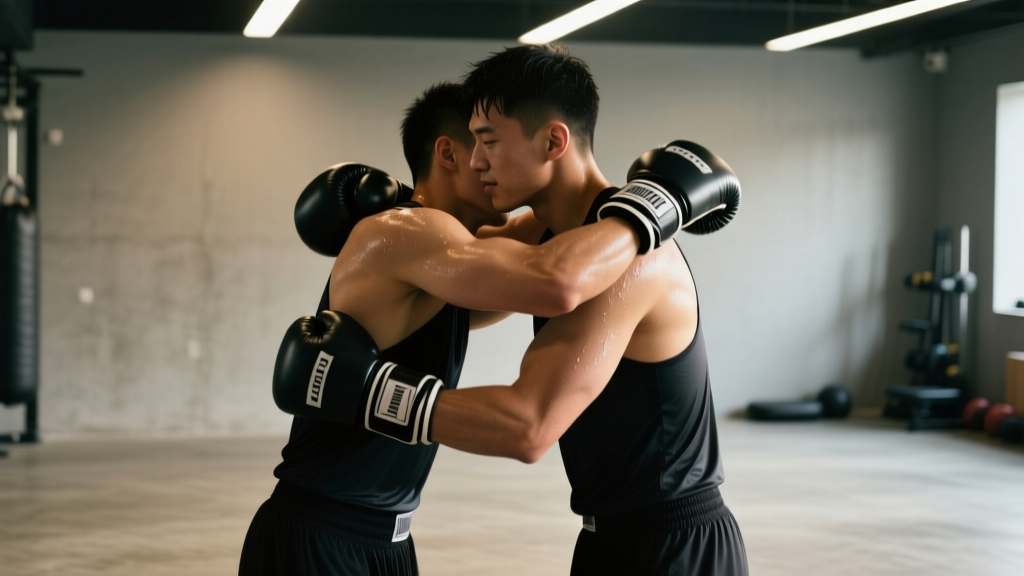
Why Do Boxers Hug? The Truth Behind Clinching
In boxing, fighters hug during a match to break clinching positions, rest briefly, and allow the referee to restart the action safely. This controlled 'hug' is actually a defensive tactic called a clinch, used to neutralize an opponent's offense, recover from being hurt, or disrupt aggressive pressure.
Why Do Boxers Grab or 'Hug' Each Other During Fights?
The act commonly referred to as "hugging" in boxing is officially known as a clinching. It is a legal and strategic move governed by boxing rules. When boxers appear to be hugging, they are typically locking up to stop their opponent from landing clean punches, especially when backed against the ropes or under heavy attack.
Purposes of Clinching in Boxing
- To halt an opponent’s momentum and prevent combinations
- To create space after being cornered or overwhelmed
- To recover from a hard shot or regain composure
- To disrupt timing and rhythm of aggressive fighters
- To force the referee to break and reset the fight
The Rules Behind the 'Hug'
Clinching is permitted only for a short duration. Referees closely monitor these moments and will step in to separate fighters if the clinch becomes prolonged or unproductive. Excessive clinching without active attempts to punch can result in warnings or point deductions.
What Happens After a Clinch?
Once a clinch is established:
- The referee moves in quickly
- Checks if either fighter is hurt or defending effectively
- Orders them to 'Break!' or physically separates them
- Resumes the fight from a neutral position
Clinching Techniques Used by Champions
Elite boxers use clinching not just defensively but offensively—by leaning into the clinch to wear down opponents or setting up counters upon separation.
Famous Clinchers in Boxing History
- Joe Frazier: Master of the body clinch and inside fighting
- Mike Tyson: Used the 'peek-a-boo' style with frequent head control in clinches
- Manny Pacquiao: Often clinched to recover between explosive bursts
- Floyd Mayweather Jr.: Employed tactical clinching to frustrate aggressive opponents
| Boxer | Average Clinches per Round (Professional Era) | Primary Use of Clinch | Championship Titles Held |
|---|---|---|---|
| Joe Frazier | 6.8 | Inside control, body attacks | 3 (Heavyweight) |
| Mike Tyson | 5.9 | Head control, intimidation | 3 (Heavyweight) |
| Floyd Mayweather Jr. | 4.2 | Defensive reset, rhythm disruption | 15 (Five divisions) |
| Manny Pacquiao | 3.7 | Recovery, close-range defense | 12 (Eight divisions) |
| Canelo Álvarez | 3.1 | Counter setup, pace control | 7 (Four divisions) |
Data shows that high-volume clinchers like Joe Frazier and Mike Tyson used the technique aggressively, while modern boxers like Floyd Mayweather employed it more strategically. The frequency of clinching has decreased over time due to stricter refereeing and faster-paced judging criteria.
Is Clinching Considered Cheating?
No, clinching is a legitimate boxing technique. However, excessive or passive clinching—where a fighter avoids engagement—is penalized. Referees enforce rules to maintain action and fairness.
When Clinching Crosses the Line
- Holding without attempting to punch
- Using arms to trap or choke
- Throwing short punches from within the clinch
- Refusing to release when ordered
These actions may lead to point deductions or disqualification.
Frequently Asked Questions About Hugging in Boxing
Why do boxers lean on each other instead of punching?
They are likely in a clinch to stop an opponent’s attack, recover stamina, or reset positioning. Referees allow brief clinching but intervene quickly to restart action.
How long can boxers stay in a clinch?
Typically only a few seconds. Referees break fighters apart as soon as the action stalls. Prolonged clinching without punching leads to warnings or penalties.
Do all boxers use the clinch?
Most do, but usage varies by style. Inside fighters and counter-punchers use it more than out-boxers or volume punchers who prefer distance.
Can you win a fight just by clinching?
No. While clinching can help control a fight, judges score based on clean punches landed. Excessive clinching without offense results in lost rounds or point deductions.
Has the role of clinching changed over time?
Yes. In earlier eras, clinching was more common and less regulated. Today, referees enforce stricter separation rules, and judges favor continuous action, discouraging passive holding.
More Articles
 Who Is Jude Bellingham? Career, Stats & Real Madrid Impact
 Don Bosco Wrestling: Program, Rankings & Alumni
 When Does the Baseball Game Start? Times by League & Day
 Who Was in the 2024 Super Bowl? Full Breakdown
 Where Was the First Super Bowl Played?
 How Many Super Bowls Has Mahomes Lost? (Updated 2025)
 Did Dan Marino Play in a Super Bowl? Answer & Facts
 What Year Did Michael Jordan Play Baseball? | 1994 Facts
 Has Mahomes Lost a Super Bowl? Yes, Once in SB LV
 Cotton Bowl 2025 Start Time & Game Info