Why Do Baseball Players Eat Sunflower Seeds?
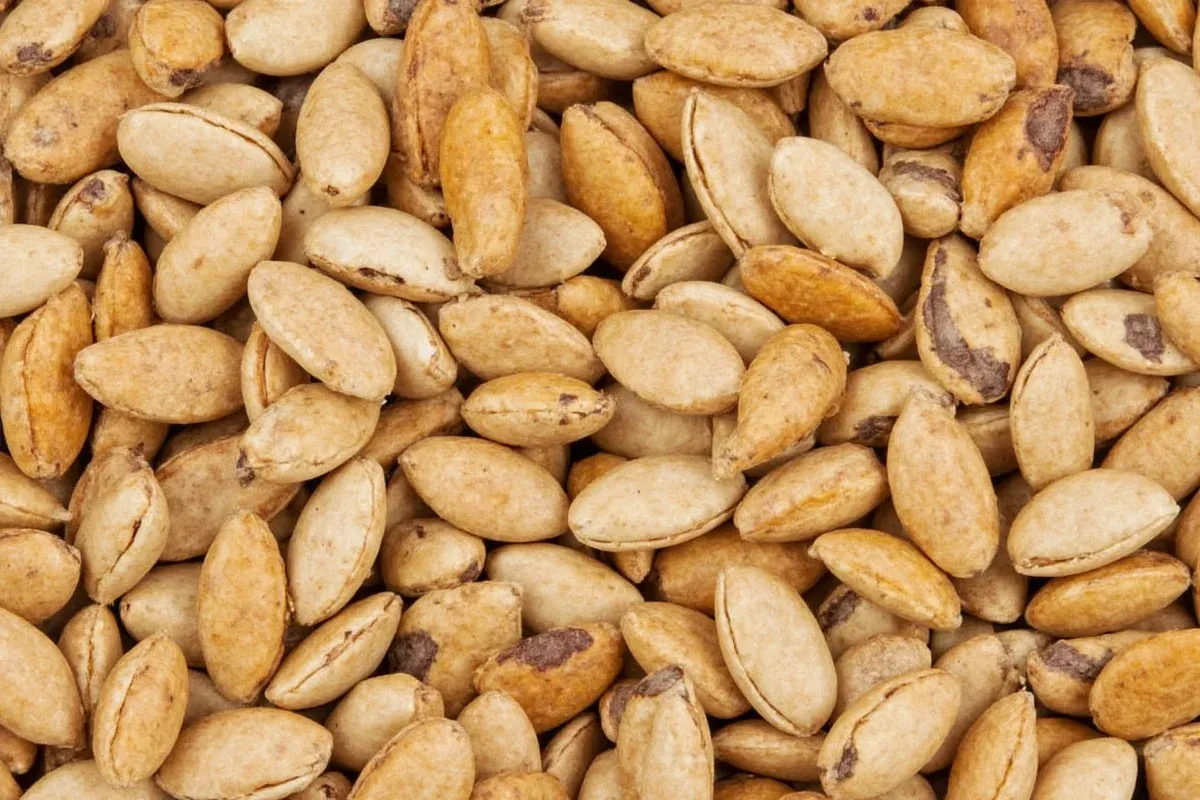
Baseball players eat sunflower seeds primarily to keep their mouths occupied during long periods of inactivity on the field, providing a habit-forming, tobacco-free alternative that helps manage stress and maintain focus.
Why Sunflower Seeds Became a Baseball Tradition
Sunflower seeds have been a staple in baseball dugouts since the 1970s, replacing chewing tobacco as a safer oral habit. The sport's slow pace—interspersed with bursts of intense action—creates mental downtime where players seek stimulation. Sunflower seeds offer a repetitive, rhythmic activity that keeps hands and mouth busy without impairing performance.
Key Reasons Players Chew Sunflower Seeds
- To reduce stress and anxiety during high-pressure moments
- To avoid using tobacco, especially after its health risks became widely known
- To stay mentally engaged during long games or defensive innings
- To stimulate saliva production, helping with dry mouth from sun exposure
- To maintain a consistent pre-pitch routine for focus
Health Benefits vs. Risks of Sunflower Seed Consumption
While sunflower seeds are rich in protein, healthy fats, vitamin E, and magnesium, excessive consumption can lead to high sodium intake if salted. Many players opt for unsalted varieties to avoid dehydration and bloating during games.
Nutritional Profile of Common Snacks in Baseball
| Snack | Calories (per oz) | Protein (g) | Fat (g) | Sodium (mg) | Fiber (g) |
|---|---|---|---|---|---|
| Sunflower Seeds (unsalted) | 165 | 5.8 | 14.4 | 9 | 3.0 |
| Sunflower Seeds (salted) | 165 | 5.8 | 14.4 | 190 | 3.0 |
| Peanuts (dry roasted) | 166 | 7.3 | 14.1 | 12 | 2.4 |
| Chewing Tobacco (per dip) | ~5–10 | 0 | 0 | 200–500 | 0 |
The table shows that sunflower seeds provide significant nutritional value compared to tobacco, which offers no dietary benefit and carries serious health risks. Salted seeds can be high in sodium, but they remain far safer than tobacco use. Many MLB teams now promote sunflower seeds as part of wellness programs.
Psychological and Cultural Factors Behind the Habit
The act of shelling and chewing sunflower seeds creates a ritualistic behavior that enhances concentration. Similar to how some people tap their fingers or bounce their legs, the repetitive motion helps players regulate nervous energy. Over time, this practice evolved into a cultural norm within baseball, passed down from veterans to rookies.
Evolution from Tobacco to Seeds
In the 1970s and 1980s, many players used chewing or dipping tobacco. As awareness of oral cancer and nicotine addiction grew, leagues began discouraging tobacco use. In 1993, MLB banned tobacco sponsorship, and by 2016, new players were prohibited from using smokeless tobacco in minor league contracts. Sunflower seeds filled the behavioral void left by tobacco, offering a similar oral fixation without the health consequences.
FAQ About Baseball Players and Sunflower Seeds
Why do baseball players spit while eating sunflower seeds?
Players spit to discard seed shells after extracting the kernel. This mimics the spitting behavior associated with chewing tobacco, helping maintain a similar rhythm and oral habit without actual tobacco use.
Do all baseball players eat sunflower seeds?
No, not all players do. However, it's estimated that over 60% of MLB players consume sunflower seeds regularly during games, making it one of the most common dugout habits.
Are there any rules about eating sunflower seeds in baseball?
There are no official rules against eating sunflower seeds. However, some ballparks discourage excessive shell litter on benches or fields. The 2016 CBA also restricts tobacco use, indirectly promoting seed alternatives.
What brand of sunflower seeds do baseball players prefer?
“Big League Chew” is a popular choice due to its convenient bubble gum-style packaging. For traditional seeds, brands like David Ortiz’s “D.O.’s Nuts” and “Hawkeye” are commonly used in MLB dugouts.
Can sunflower seeds improve athletic performance?
While not performance-enhancing, sunflower seeds support overall health with nutrients like vitamin E and magnesium, which aid muscle function and recovery. Their moderate protein and fat content also help sustain energy during long games.
More Articles
 Who Is the Greatest Baseball Player of All Time?
 How Much Does a Sumo Wrestler Make? 2025 Salaries Explained
 How Many MLB Teams Are There? 30 Teams Explained
 Ultimate Volleyball Guide: Rules, Techniques, Equipment, and Strategy for Players and Coaches
 Has a Team Ever Scored 0 in the Super Bowl?
 Why Is It Called the World Series in Baseball?
 How Many Times Has Dallas Won the Super Bowl?
 How Long Is a Baseball Field? Official Dimensions Explained
 How Fast Does a Golf Ball Travel? Speeds by Skill Level
 Why Tennis Is Scored 15, 30, 40: Origins Explained