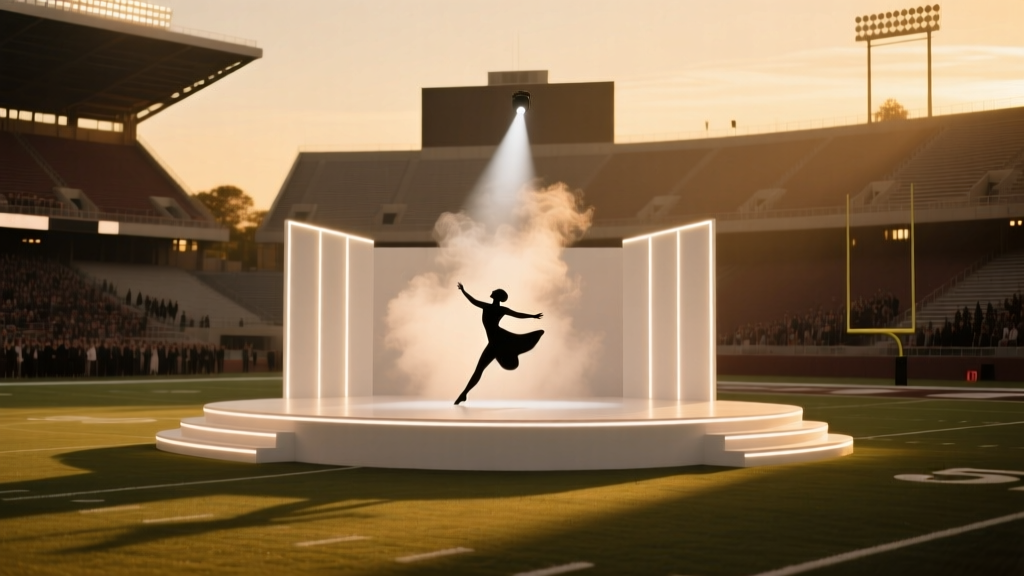
When Was the First Super Bowl Halftime Show?
The first Super Bowl halftime show took place on January 15, 1967, during Super Bowl I, featuring a performance by the University of Arizona and Grambling State University marching bands, along with trumpeter Al Hirt.
Understanding the First Super Bowl Halftime Show
The inaugural Super Bowl halftime show occurred at the Los Angeles Memorial Coliseum during Super Bowl I, marking the beginning of what would become a major cultural phenomenon. Unlike today’s star-studded pop concerts, the 1967 halftime entertainment focused on traditional marching band performances and classic fanfare.
Key Features of the First Halftime Show
- Performed by college marching bands from the University of Arizona and Grambling State University
- Included legendary jazz trumpeter Al Hirt as a special guest
- Theme centered around "A Salute to Louis Armstrong," though Armstrong did not perform
- Lasted approximately 12 minutes
- Broadcast to an estimated 51 million viewers
Evolution of the Super Bowl Halftime Show
What began as a simple musical intermission has transformed into one of the most-watched live entertainment events globally. Over the decades, the halftime show evolved from patriotic band routines to elaborate productions headlined by top-tier music artists.
Milestones in Halftime Show History
- 1970s: Introduced themed shows with guest celebrities like Carol Channing and Duke Ellington Orchestra
- 1980s: Incorporation of dance troupes and Broadway-style performances (e.g., Super Bowl XX with Up with People)
- 1993: Michael Jackson's iconic performance revolutionized the format, setting new standards for production and viewership
- 2000s–Present: Global superstars including Beyoncé, Prince, Rihanna, and The Weeknd dominate the stage
Halftime Show Performers: From Bands to Pop Legends
The shift from academic ensembles to mainstream musicians reflects broader changes in American culture and television entertainment. NFL and broadcasters recognized the marketing potential of high-profile acts, leading to multi-million-dollar productions.
| Year | Super Bowl | Venue | Main Performer(s) | Estimated Viewers (Millions) |
|---|---|---|---|---|
| 1967 | I | Los Angeles Memorial Coliseum | University of Arizona & Grambling State Bands, Al Hirt | 51 |
| 1970 | IV | Tulane Stadium | Cooter and the Bulldog Muppets, Southern University Band | 61 |
| 1984 | XVIII | Rose Bowl | Up with People | 77 |
| 1993 | XXVII | Rose Bowl | Michael Jackson | 130 |
| 2023 | LVII | State Farm Stadium | Rihanna | 118 |
The data shows a dramatic increase in viewer interest following Michael Jackson’s 1993 performance, which set a record at the time with 130 million viewers. Although recent shows draw slightly fewer viewers, they remain among the most-watched annual television events in the U.S.
About the Super Bowl Halftime Show: Common Questions
Who performed at the first Super Bowl halftime show?
The first Super Bowl halftime show featured the University of Arizona and Grambling State University marching bands, along with renowned trumpeter Al Hirt as the headline guest performer.
Was Michael Jackson the first major artist to perform at the Super Bowl halftime show?
Yes, Michael Jackson’s 1993 performance at Super Bowl XXVII is widely regarded as the first major pop star appearance that redefined the halftime show format, paving the way for future A-list performers.
Why was the first halftime show so different from today’s shows?
The early halftime shows emphasized tradition and patriotism, reflecting the era’s values and limited production budgets. Today’s shows prioritize mass appeal, global entertainment trends, and high-tech staging to attract broader audiences.
How long is the modern Super Bowl halftime show?
The current Super Bowl halftime show lasts approximately 12 to 14 minutes, similar in duration to the original 1967 performance, but with significantly more complex choreography, lighting, and sound design.
Does the NFL pay halftime performers?
No, the NFL does not pay artists for performing at the Super Bowl halftime show. However, the league covers all production costs, which can exceed $13 million, providing performers with massive exposure instead of direct payment.
More Articles
 Who Makes Major League Baseballs? Rawlings Explained
 Where Is The American Express Golf Tournament Held?
 How Old Is Golfer Fred Couples in 2025?
 Where Is TGL Golf Played? Location & Details
 What Does SO Mean in Baseball? Strikeout Explained
 Where Is Erin Hills Golf Course Located? Full Guide
 When Is the Super Bowl 2025? Date, Time & Location
 Who Won Super Bowl 41? Colts Beat Bears 29-17
 How Much Is a Bo Jackson Baseball Card Worth?
 How Many Super Bowls Has Patrick Mahomes Won? (2025)