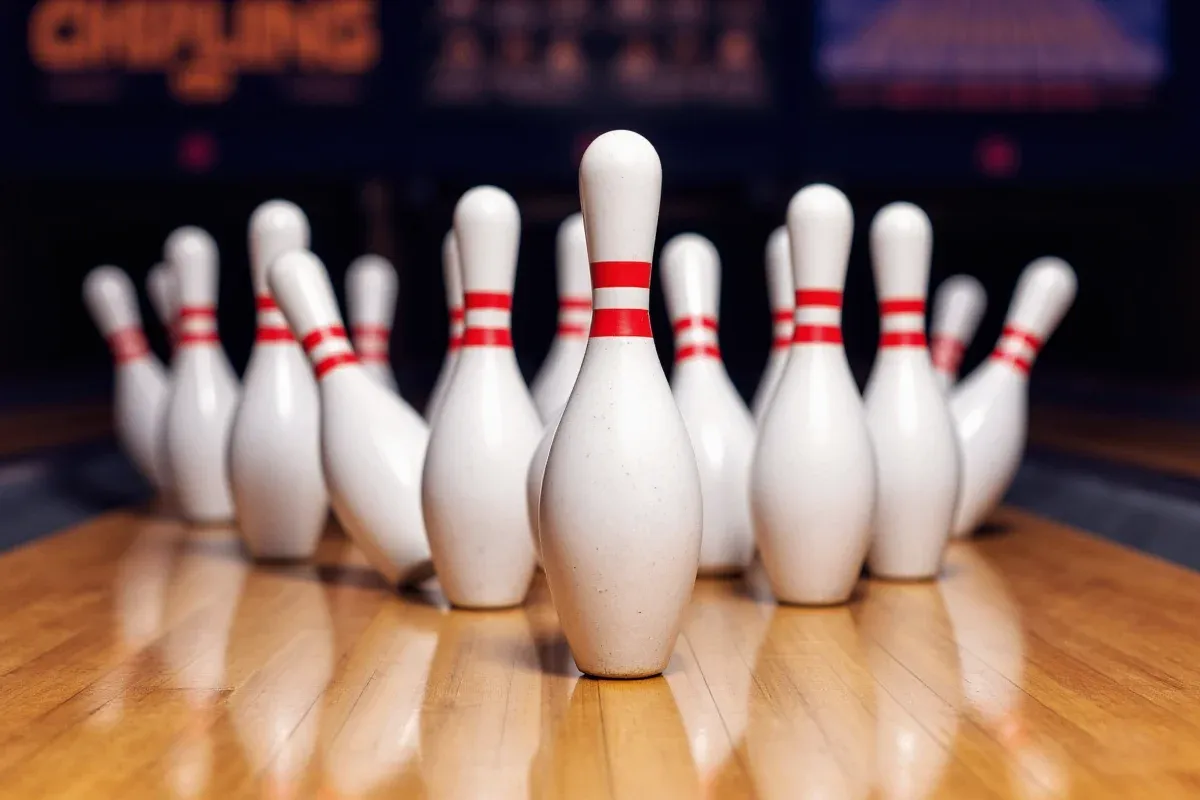
When Was Bowling Invented? Origins & History
Bowling was first invented around 5000 BCE in ancient Egypt, as archaeological evidence shows early forms of the game using stones and primitive pins.
History of Bowling: From Ancient Origins to Modern Sport
Bowling is one of the oldest known games involving skill and target accuracy. While modern bowling evolved significantly in Europe and the United States, its roots trace back thousands of years. The earliest confirmed evidence of a bowling-like game dates to around 5000 BCE in ancient Egypt, where British archaeologist Sir William Matthew Flinders Petrie discovered primitive stone balls and pin-like objects in a child's grave during an excavation in 1930.
Ancient Beginnings of Bowling
The discovery in Egypt suggests that a form of bowling was played with nine stones as pins and spherical stones as balls. These findings indicate the game may have had religious or symbolic significance, possibly linked to the afterlife.
- Game pieces were made from limestone and hand-carved.
- The arrangement resembled a diamond-shaped setup, similar to today’s nine-pin games.
- Evidence suggests the game spread through trade routes into Asia and Europe.
Roman and Germanic Adaptations
Romans are believed to have adopted a version of bowling by rolling stones toward objects across dirt paths. However, the most direct ancestor of modern bowling emerged in Germany around the 3rd or 4th century CE as part of a religious ceremony called “Kegelspiel.” Participants rolled stones at a club representing heathen heads, symbolizing the casting out of sin.
Evolution in Europe and the UK
By the Middle Ages, bowling variations spread across Europe. In England, lawn bowling (also known as bocce or bowls) became popular among nobility. King Edward III banned the game in 1366 because it distracted archers from military training.
- Outdoor versions dominated until indoor alleys appeared in the 1800s.
- The term “bowling” was officially used in English texts by the 15th century.
- “Nine-pin” bowling became widespread in German and Italian communities.
Rise of Modern Ten-Pin Bowling in America
Ten-pin bowling developed in the United States in the 19th century. The first standardized rules were codified in 1895 with the formation of the American Bowling Congress (ABC). Key developments include:
- Pinning machines introduced in the 1950s revolutionized gameplay speed.
- Synthetic lanes replaced wood, improving consistency.
- Bowling alleys became social hubs during the 20th century.
| Year | Event | Location | Significance |
|---|---|---|---|
| 5000 BCE | Earliest known bowling-like game | Abydos, Egypt | Discovery of stone balls and pins in burial site |
| 300 CE | Kegelspiel ritual | Germany | Religious game using stone balls and pins |
| 1366 | English ban on bowling | England | Military focus on archery over recreation |
| 1895 | Formation of ABC | New York, USA | Standardization of ten-pin rules |
| 1952 | AMF Pinsetter introduced | United States | Automated pin reset increased accessibility |
| 2020 | Global bowling market value | Worldwide | $4.3 billion industry |
The timeline shows how bowling transitioned from spiritual rituals to organized sport. The 20th-century technological advancements significantly boosted participation. Today, the global bowling market reflects sustained cultural relevance despite shifts in recreational trends.
Frequently Asked Questions About the Invention of Bowling
When was bowling officially recognized as a sport?
Bowling was officially recognized as a competitive sport in 1895 with the founding of the American Bowling Congress (ABC), which established standardized rules for ten-pin bowling in the United States.
Who invented modern ten-pin bowling?
No single person invented modern ten-pin bowling. It evolved from earlier European games and was formalized by a group of bowlers who founded the American Bowling Congress in New York in 1895.
Was bowling ever banned in history?
Yes, King Edward III of England banned bowling in 1366 because it was distracting soldiers from practicing archery, which was critical for national defense at the time.
How did bowling spread to the United States?
German and Dutch immigrants brought bowling traditions to North America in the 17th and 18th centuries. The game gained popularity in the 1800s, eventually leading to the creation of standardized rules in the U.S.
What is the oldest known bowling ball?
The oldest known bowling ball dates back to 5000 BCE and was found in Egypt. It was carved from limestone and used in a primitive form of the game discovered in a child’s tomb.
More Articles
 When Does Golf Season Start? By Region & Skill Level
 How Many Commercials Are in the Super Bowl?
 Did Gronk Play in Super Bowl 51? Full Breakdown
 Largest MLB Stadium: Dodger Stadium Capacity 2025
 Who Fought in Boxing Last Night? Full Results & Highlights
 Don Mossi Baseball Career Stats and Facts
 How Many Games in Baseball Playoffs? Full Breakdown
 Was Michael Jordan Good at Baseball? Stats & Facts
 When Was the Last Super Bowl Shutout? (Spoiler: Never)
 How Many Super Bowl Rings Does Joe Montana Have?