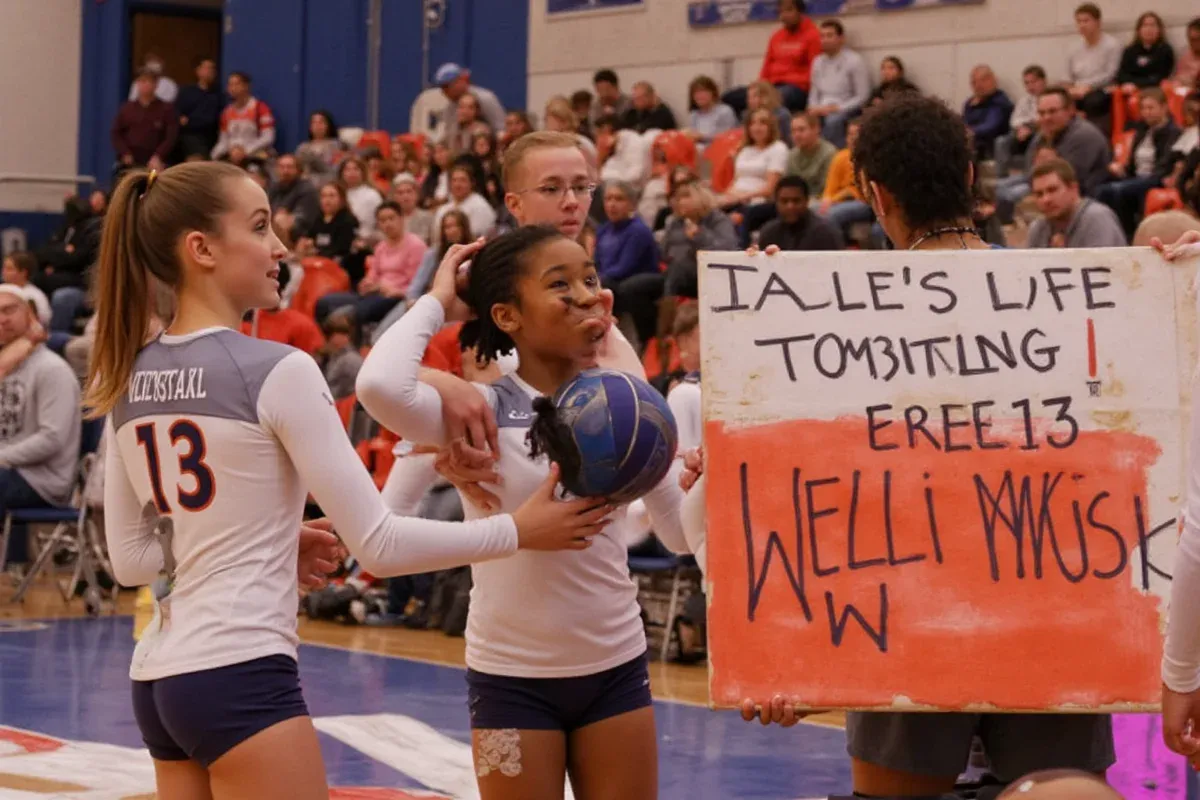
When Is Volleyball Season? Complete Schedule Guide
When Is Volleyball Season?
Volleyball season varies by region and level of play, but in the United States, the high school indoor season typically runs from August to November, NCAA Division I women’s volleyball is played from late August through December, and professional leagues like the AVP Tour take place from May to September. For beach volleyball, the peak competitive season aligns with warmer months, while international events such as the FIVB World Championships and Olympic tournaments occur on staggered schedules.
Understanding Volleyball Seasons by Level
Volleyball is played year-round globally, but organized seasons depend on the type of volleyball (indoor or beach), competition level, and geographic location. Below is a breakdown of when volleyball seasons occur across different platforms.
High School Volleyball Season
- In the U.S., most states hold their high school indoor volleyball season during the fall.
- Start dates range from early August (Texas) to late September (California).
- The season typically ends in November with state championships.
- Some states like California have a spring beach volleyball season for high schools.
NCAA Collegiate Volleyball
- NCAA Division I indoor volleyball begins in late August with preseason practice.
- Regular season matches start in late August or early September.
- The NCAA Tournament, known as March Madness for basketball, peaks in December with the National Championship.
- Beach volleyball, an emerging NCAA sport, has a season from February to May, culminating in the NCAA Beach Volleyball Championship.
Professional Indoor Leagues
- International club leagues (e.g., Italy's Serie A, Turkey's Sultanlar Ligi) run from October to April.
- The FIVB Volleyball Nations League (VNL) takes place from June to July annually.
- National team competitions often pause during club seasons to allow player release.
Beach Volleyball Season
- The AVP Pro Beach Volleyball Tour in the U.S. runs from May to September.
- The FIVB Beach Volleyball World Tour spans from May to September, with events in tropical climates extending into winter.
- Olympic beach volleyball tournaments are held during the Summer Games every four years, usually in July and August.
Regional Variations in Volleyball Seasons
Climate and academic calendars heavily influence volleyball scheduling. Countries in the Southern Hemisphere, such as Australia and Brazil, often have opposite seasonal timelines compared to North America and Europe.
| Competition Level | Country/Region | Season Start | Season End | Peak Months |
|---|---|---|---|---|
| High School Indoor | United States | August | November | September–October |
| NCAA DI Indoor | United States | Late August | December | October–November |
| NCAA Beach | United States | February | May | April–May |
| AVP Tour | United States | May | September | July–August |
| FIVB VNL | Global | June | July | June–July |
| Serie A (Italy) | Italy | October | April | December–March |
| NZ Beach Tour | New Zealand | November | March | January–February |
The data shows a clear split between indoor and beach volleyball seasons, with indoor leagues dominating colder months and beach circuits peaking in summer. The U.S. collegiate system operates on an academic calendar, while European club leagues follow a traditional sports season from fall to spring. International federations like FIVB coordinate major events during summer to maximize global viewership and athlete availability.
Factors Influencing Volleyball Season Timing
Several key elements determine when volleyball seasons are scheduled:
Academic Calendars
In countries with strong school-based programs, volleyball aligns with the academic year. This is especially true in the U.S., where high school and college sports are integrated into education.
Weather and Climate
Beach volleyball requires warm temperatures and dry conditions, limiting outdoor competition in colder regions to late spring through early fall. Indoor facilities allow year-round play, but leagues still avoid holiday periods and extreme weather disruptions.
International Competition Scheduling
FIVB coordinates major events like the World Championships and Olympic qualifiers to avoid overlapping with top domestic leagues, ensuring national team participation. The FIVB Volleyball Nations League was introduced in 2018 to create a centralized annual event in June–July.
Frequently Asked Questions About Volleyball Seasons
When does the NCAA volleyball season start and end?
The NCAA Division I indoor volleyball season typically begins in late August with practices and non-conference matches, running through conference play until the NCAA Tournament concludes in mid-December. The championship match, known as the National Semifinals and Final, is usually held in December.
Is there a beach volleyball season in the winter?
While most elite beach volleyball competitions occur between May and September, some regional tours in warm climates continue into winter. For example, Australia and New Zealand host beach tournaments from November to March, which aligns with their summer months.
When is high school volleyball season in California?
In California, high school indoor volleyball is a fall sport with tryouts in August and matches running from September to November. Additionally, the CIF sponsors a spring beach volleyball season starting in March and ending in May, including playoffs and a state championship.
What months are the Olympics volleyball tournaments held?
Olympic indoor and beach volleyball tournaments are held during the Summer Olympics, which take place every four years in July and August. The exact schedule varies slightly per host city due to time zones and venue availability.
How long is the average volleyball season?
The length varies by level: high school seasons last about 4 months (Aug–Nov), NCAA indoor spans 5 months (Aug–Dec), professional indoor leagues run 6–7 months (Oct–Apr), and elite beach volleyball tours last 5 months (May–Sep). Including training and playoffs, athletes may be active for 8–10 months annually.
More Articles
 Who Plays at the Cotton Bowl? Teams and Events Explained
 When Was the First Super Bowl Played? Full History & Facts
 How Many Super Bowls Have the Miami Dolphins Won?
 What Does a Draw Mean in Boxing? Explained
 When Does LSU Play Baseball in 2025? Schedule & Game Times
 Who Played in the 2013 Super Bowl? Full Breakdown
 How Long Did Babe Ruth Play Baseball? Career Span Revealed
 How Many Teams Make the Playoffs in MLB?
 How Many Ounces Is a Baseball? Official Weight Explained
 Who Started Tennis? The Inventor of Modern Tennis