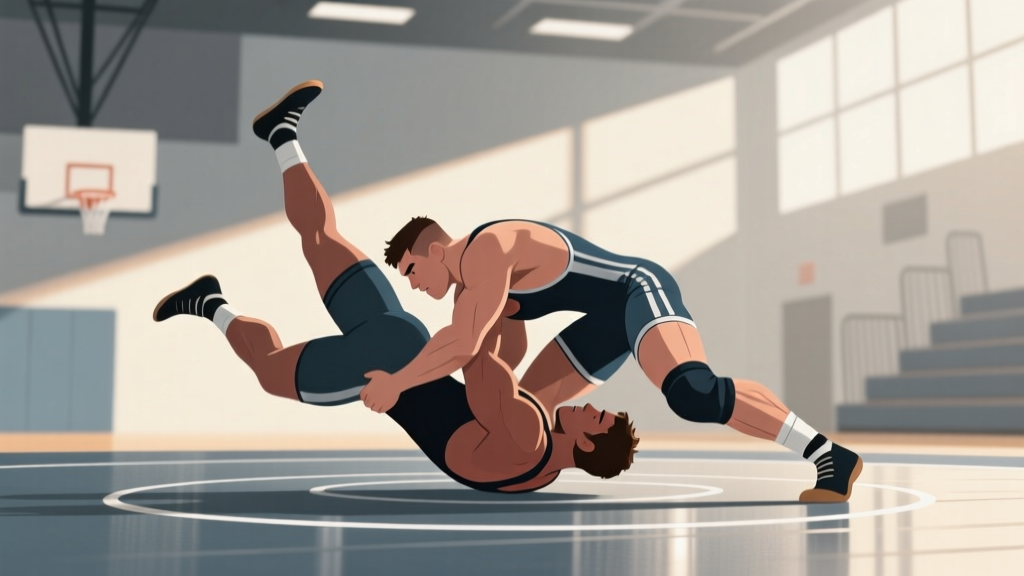
When Does Wrestling Season End? Key Dates by Level
Wrestling season typically ends in early to mid-March for high school and NCAA Division I programs in the United States, with the exact date depending on competition level, state regulations, and postseason progression. The season culminates with national championships, such as the NCAA Wrestling Championships, usually held in late March.
Understanding Wrestling Season Structure
Wrestling is a seasonal sport with distinct timelines across different levels of competition. The end of the wrestling season varies by organization, age group, and geographic region. While most seasons conclude in March, some youth or international circuits may extend into April or follow different academic calendars.
Key Levels of Competition
- High School: Varies by state; most seasons end in February or March after state tournaments.
- College (NCAA): Regular season runs from November to February; championship events extend into March. \li>Folkstyle, Freestyle, and Greco-Roman: Freestyle and Greco-Roman have year-round opportunities, especially at elite levels.
- Youth Wrestling: Often follows a flexible schedule with tournaments extending beyond spring.
When Does the High School Wrestling Season End?
In the U.S., high school wrestling is primarily governed by individual state athletic associations. Most states begin their season in November and conclude regional or state-level tournaments by mid-February to early March.
Factors Influencing State Variations
- State academic calendar
- Climate and holiday breaks
- Postseason tournament structure
- Number of classifications (e.g., Class A, AA)
For example, Texas UIL wrestling concludes with state championships in early March, while states like Iowa and Pennsylvania wrap up by late February.
College Wrestling Season Timeline
NCAA Division I wrestling is one of the most structured competitive formats. The regular season begins in November, dual meets occur through January and February, conference championships are held in late February, and the NCAA Championships take place in late March.
Key Dates in NCAA Wrestling
- November: Season opens with early-season tournaments
- December–February: Dual meets and ranked matchups
- Late February: Conference Championships (Big Ten, ACC, etc.)
- Mid-March: NCAA Division I Wrestling Championships
Thus, for top collegiate wrestlers, the season can extend into late March if they qualify for nationals.
End-of-Season Tournaments and National Events
The conclusion of the wrestling season is marked by major national events that determine champions across divisions and styles.
Premier Season-Ending Championships
- NCAA Division I Wrestling Championships: Final event for college athletes, typically last weekend of March.
- HS National Championships: Events like the NHSCA Nationals or Fargo Nationals occur in June–July but are not part of the official high school season.
- US Open & World Team Trials: For senior-level freestyle and Greco-Roman, these occur in spring and summer.
| Competition Level | Regular Season Start | Regular Season End | Championship Event | Championship Date |
|---|---|---|---|---|
| High School (Average) | November | February | State Tournament | Feb 15 – Mar 10 |
| NCAA Division I | November | February | NCAA Championships | March 20–22, 2025 |
| NJCAA (Junior College) | November | February | NJCAA Nationals | March 6–8, 2025 |
| NAIA | November | February | NAIA Nationals | March 7–8, 2025 |
| Youth (AAU/Fargo) | Year-round | Spring | Fargo Nationals | July 14–20, 2025 |
The table highlights how collegiate seasons align closely around a March endpoint, while high school and youth programs show greater variability. NCAA Division I consistently holds its championship in late March, making it the latest major season finale. Youth events like the Fargo Nationals occur much later but are considered off-season competitions rather than part of the traditional scholastic calendar.
Off-Season and Summer Competitions
Although the formal season ends in March, elite and developmental wrestlers often compete year-round in freestyle and Greco-Roman disciplines.
Major Summer Wrestling Events
- Fargo Nationals (AAU): July event for cadet and junior age groups.
- USA Wrestling Folkstyle Nationals: Held in May for youth categories.
- UWW Senior World Trials: Occur every summer leading up to international events.
These events are critical for athlete development but do not mark the end of the traditional season—they represent off-season training and qualification pathways.
Common Questions About When Wrestling Season Ends
Does wrestling season end at the same time everywhere?
No, wrestling season end dates vary significantly by state, level of competition, and governing body. High school seasons typically end between February and early March, while NCAA Division I wrestling extends into late March due to national championships.
What is the last major wrestling event of the season?
The NCAA Division I Wrestling Championships, held annually in late March, is widely regarded as the final major event of the traditional U.S. wrestling season. In 2025, it will be held March 20–22 in St. Louis, Missouri.
Can wrestlers compete after the season officially ends?
Yes, many wrestlers continue competing in freestyle and Greco-Roman tournaments during the spring and summer months. Events like the US Open, World Team Trials, and Fargo Nationals allow athletes to stay active beyond the scholastic season.
How long is the average wrestling season?
The average high school or college wrestling season lasts about five months, running from early November through late February or early March. Including postseason, some athletes compete into late March.
Do middle school or youth leagues follow the same schedule?
Most youth and middle school programs mirror the high school season, starting in November and ending in February. However, club-based organizations like AAU or USA Wrestling host tournaments year-round, offering more flexibility.
More Articles
 Where Is Golfer Justin Rose From? Origin & Career Details
 How Long Are MMA Rounds? Full Breakdown by Promotion
 How Much Do Baseball Umpires Get Paid in 2025?
 Where Is Harbor Town Golf Course Located?
 Who Won Super Bowl in 1982? Raiders Beat Redskins
 When Does the Super Bowl End? Final Time Explained
 Who Won Super Bowl 51? Patriots' Historic Comeback
 Where Does Taekwondo Take Place? Key Venues & Locations
 Who Won Super Bowl 1995? 49ers Victory & MVP Stats
 What Does a Walk-Off Mean in Baseball? Explained