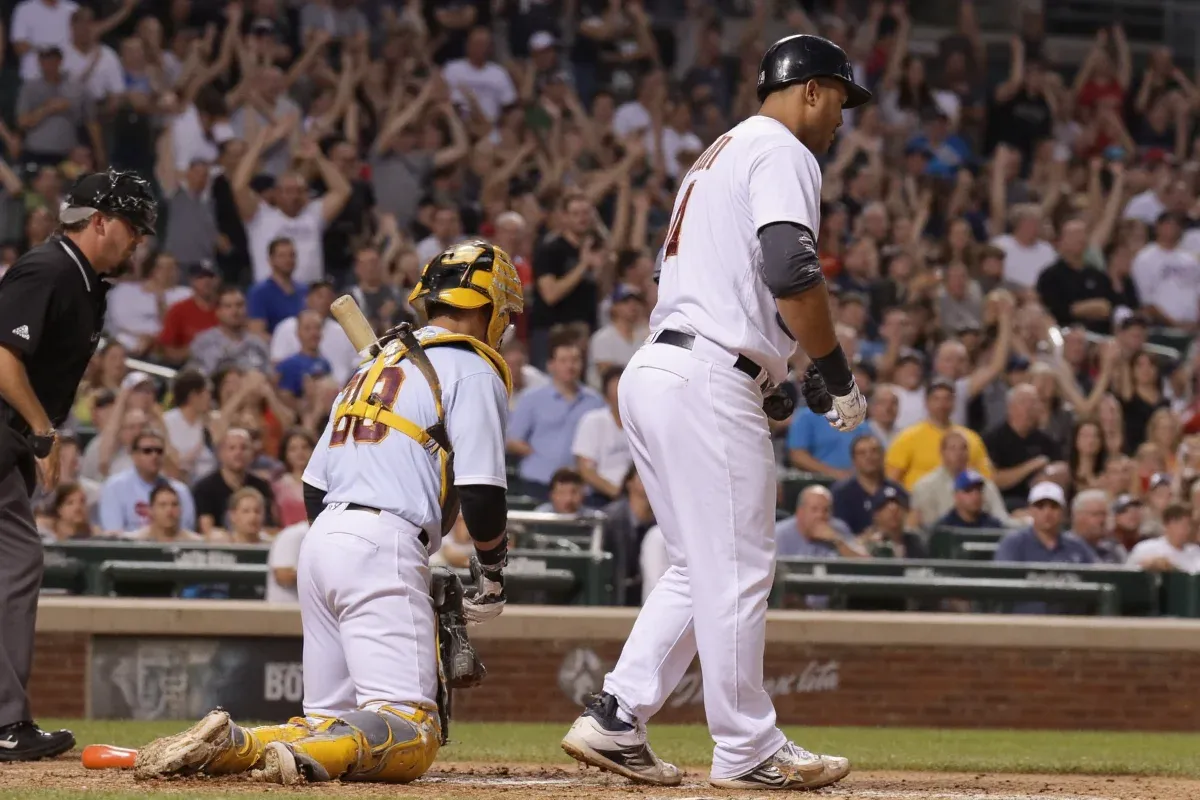
What Does Walk-Off Home Run Mean in Baseball?
A walk-off home run in baseball occurs when a batter hits a home run in the bottom of the final inning that gives their team enough runs to win the game immediately, ending the game on the spot.
What Is a Walk-Off Home Run?
In baseball, a walk-off home run is one of the most dramatic ways to end a game. It happens when the home team hits a home run in the bottom of the ninth inning or later, turning a tie or deficit into a lead, thus making further play unnecessary. The term "walk-off" refers to the fact that players can literally walk off the field once the winning run scores.
Key Conditions for a Walk-Off Home Run
- The home team must be batting in the bottom half of an inning.
- The game must be either tied or the home team must be trailing by no more than three runs (since a home run can score up to four runs).
- The home run must provide the winning margin, ending the game instantly.
- It can occur in the ninth inning or any extra inning.
History and Origin of the Term "Walk-Off"
The phrase "walk-off" was popularized in the late 1980s by pitcher Dennis Eckersley, who used it to describe game-ending home runs he had given up. Initially, he used it negatively—referring to the moment when he had to walk off the mound in defeat. Over time, the term evolved into a celebratory phrase for the offensive player who ends the game with a decisive hit.
Before "walk-off" became common, such moments were simply called "game-winning homers," but the modern term emphasizes the immediate conclusion of the game.
Types of Walk-Off Hits
While a walk-off home run is the most powerful version, other types of walk-off hits exist:
- Walk-off single: A base hit that scores the winning run.
- Walk-off double/triple: Less common due to baserunning requirements.
- Walk-off sacrifice fly: A fly ball that brings in a run with less than two outs.
- Walk-off error: A defensive mistake that allows the winning run to score.
However, the walk-off home run remains the most iconic because it requires no assistance from the defense and often clears the bases.
Memorable Walk-Off Home Runs in MLB History
Certain walk-off home runs have become legendary due to their timing, stakes, or cultural impact:
- Kirk Gibson, 1988 World Series: Hobbled by injury, Gibson hit a two-run homer off Dennis Eckersley to win Game 1.
- Joe Carter, 1993 World Series: Hit a three-run walk-off homer to clinch the championship for the Toronto Blue Jays.
- Babe Ruth, 1926: One of the earliest recorded walk-off homers in postseason history.
- Bill Mazeroski, 1960 World Series: His solo shot won Game 7 and the title for the Pittsburgh Pirates.
| Player | Year | Team | Opponent | Game Situation |
|---|---|---|---|---|
| Joe Carter | 1993 | Toronto Blue Jays | Philadelphia Phillies | Bottom of 9th, down by 1, bases loaded |
| Kirk Gibson | 1988 | Los Angeles Dodgers | Oakland Athletics | Bottom of 9th, down by 1, runner on first |
| Bill Mazeroski | 1960 | Pittsburgh Pirates | New York Yankees | Bottom of 9th, tied, runner on second |
| Aaron Boone | 2003 | New York Yankees | Boston Red Sox | Bottom of 11th, tied, runner on first |
| David Freese | 2011 | St. Louis Cardinals | Texas Rangers | Bottom of 11th, down by 1, runner on first |
The table highlights some of the most dramatic walk-off home runs in MLB postseason history. These moments share high leverage situations—late innings, close scores, and often postseason pressure. Joe Carter’s and Kirk Gibson’s homers are especially notable for occurring in the World Series with the game and series on the line.
Frequently Asked Questions About Walk-Off Home Runs
Can a walk-off home run happen in extra innings?
Yes, a walk-off home run can occur in any extra inning as long as the home team is batting in the bottom half and the home run results in the winning run.
Does a walk-off home run always win the game?
Yes, by definition, a walk-off home run ends the game immediately because it produces the winning run during the home team's at-bat in the final inning.
Can there be multiple runs scored on a walk-off home run?
Absolutely. If the bases are loaded, a walk-off home run can score up to four runs, all of which count since the game ends only after the winning run crosses the plate.
Who holds the record for most walk-off home runs in MLB history?
Jimmie Foxx and Mickey Mantle are tied for the most career walk-off home runs with 12 each, according to historical MLB data.
Is a walk-off possible if the visiting team is leading?
No. Since the home team always bats last, only they can produce a walk-off hit. If the visiting team is leading in the final inning, the game ends when the home team fails to catch up.
More Articles
 How Long Does a Professional Baseball Game Last?
 How Many Super Bowls Have the Raiders Won? (Answer)
 How Much Does a Pro Golf Caddy Make? (2025 Data)
 Where Does Taekwondo Come From? Origin & History Explained
 When Are Bowl Games Selected? Key Dates for 2024-2025
 Baseball Season End Date 2026: Final Schedule
 What Time Does Cricket Close? Match Finish Times Explained
 When Was Super Bowl 2023? Date, Winner, and Highlights
 How Much Do Pro Golf Caddies Make in 2025?
 Who Is the Richest Wrestler in 2025?