What Does Bounce Mean on a Golf Wedge?
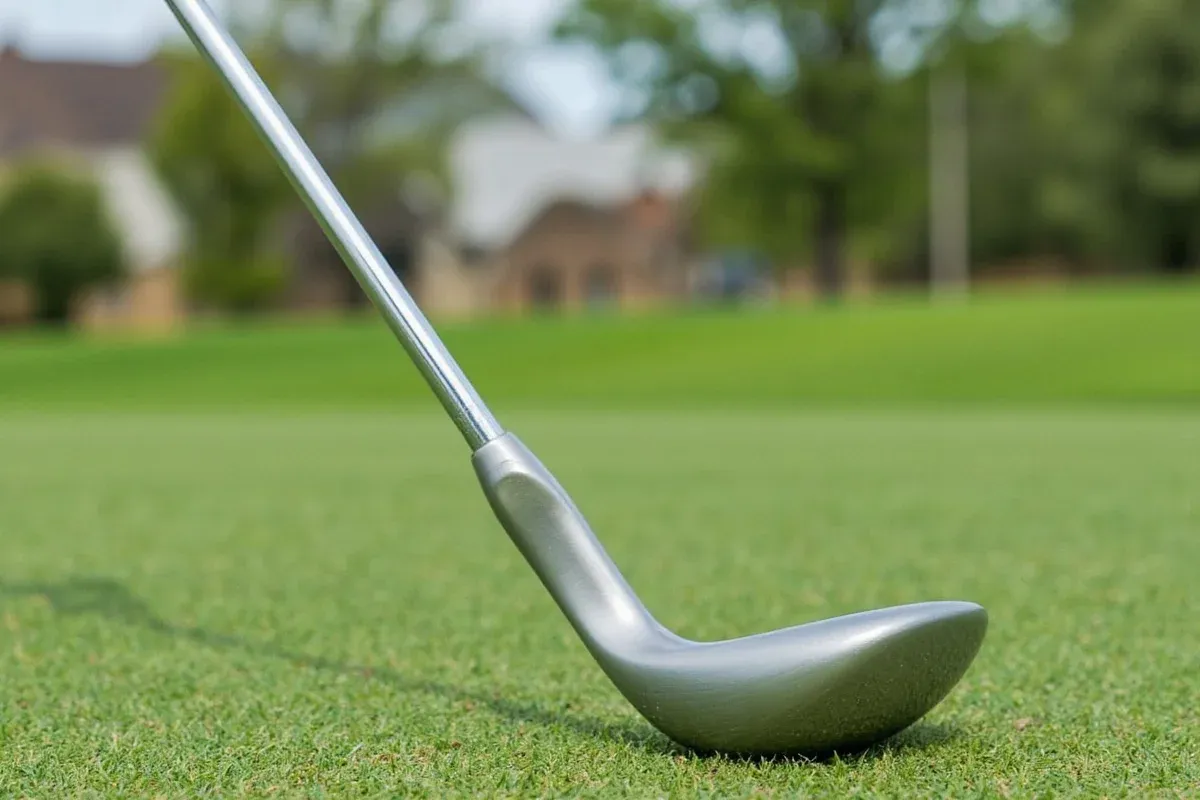
Bounce on a golf wedge refers to the angle between the leading edge and the lowest point of the sole when the club is in its neutral position. It helps prevent the club from digging into the turf or sand, promoting cleaner contact and better shot consistency.
Understanding Bounce in Golf Wedges
Bounce is a critical design feature in golf wedges that influences how the club interacts with the ground during impact. It is measured in degrees and can significantly affect performance depending on swing type and course conditions.
What Problems Does Bounce Solve?
- Prevents the leading edge from digging too deeply into the turf
- Improves performance in sand and tall grass
- Enhances forgiveness on fat or thin strikes
- Supports consistent ball striking across different lies
- Reduces resistance in soft or fluffy conditions
Types of Bounce: Low, Mid, and High
Bounce is typically categorized into three main ranges:
- Low bounce (0–4°): Best for firm turf and players with shallow angles of attack.
- Mid bounce (5–9°): Versatile option suitable for most conditions and skill levels.
- High bounce (10–14°+): Ideal for soft courses, deep sand, and players with steep swings.
How Bounce Affects Different Lies
The effectiveness of bounce depends heavily on the lie and playing surface. For example:
- On firm fairways, low-bounce wedges glide smoothly without bouncing off the turf.
- In deep bunkers, high bounce prevents the club from burying in sand.
- From thick rough, mid-to-high bounce helps the club slide under the ball rather than catch behind it.
- For fried egg bunker shots, less bounce may be preferable to penetrate the tight lie.
Recommended Bounce by Wedge Type
| Wedge Type | Loft Range (°) | Average Bounce (°) | Ideal Use Case |
|---|---|---|---|
| Pitching Wedge | 44–48 | 6–8 | Full approach shots, tight lies |
| Gap Wedge | 50–54 | 7–9 | Chipping, partial shots |
| Approach/Sand Wedge | 54–58 | 10–12 | Bunker play, soft conditions |
| Lob Wedge | 58–64 | 4–6 | Open-faced flop shots, tight turf |
The data shows that sand wedges typically have the highest bounce to excel in greenside bunkers, while lob wedges often feature lower bounce to allow versatility in open-faced shots. Players should match bounce to their typical course conditions and swing mechanics.
Selecting the Right Bounce for Your Game
Choosing the correct bounce involves assessing your swing characteristics and typical course setup:
- Swing path: Steep swingers benefit from higher bounce to prevent digging.
- Terrain: Soft, lush courses favor high bounce; firm, links-style courses favor low bounce.
- Grind options: Many wedges offer sole grinds that adjust effective bounce based on shot needs.
- Player skill: Beginners often perform better with mid-to-high bounce for added forgiveness.
Frequently Asked Questions About Bounce on a Golf Wedge
What does 12 degree bounce mean on a golf wedge?
A 12-degree bounce means the sole of the wedge is angled such that it sits 12 degrees above the ground relative to the leading edge when the hosel is vertical. This high bounce is excellent for soft turf and sand but may cause the club to bounce off firm surfaces if not used correctly.
Is more bounce better on a wedge?
Not necessarily. More bounce helps in soft conditions and for steep swingers, but too much bounce on firm turf can cause the club to skip or deflect. The key is matching bounce to your swing and course conditions.
Do pros use high bounce wedges?
Many professionals use high bounce wedges in sand and soft conditions, but they often rely on multiple wedges with varying bounce and grinds. Top players customize bounce based on the course setup and shot requirements.
Can you open the face of a low bounce wedge in the sand?
Yes, opening the face increases the effective bounce, making a low-bounce wedge behave like a higher-bounce one. However, it requires precise technique and may not be as forgiving as using a dedicated high-bounce sand wedge.
How do I know if my wedge has too much bounce?
If your wedge consistently bounces off the turf, causing thin shots, or struggles to make clean contact from tight lies, it may have too much bounce. Signs include inconsistent divot depth and poor control on firm ground.
More Articles
 Who Makes the Best Golf Clubs in 2025?
 Did Eli Manning Win a Super Bowl? Yes, Twice
 Who Is the Best Bowler in the World in 2025?
 How Long Do Tennis Balls Last? Lifespan Explained
 When Does the MLB Season End in 2025?
 When Is the Baseball Season Over? MLB End Dates Explained
 What Does DDT Mean in Wrestling? Explained
 What Time Is Wrestling On Tonight? 2025 Schedule & Stream
 How Many Super Bowls Have the Buffalo Bills Won?
 Who Is the World Heavyweight Boxing Champion in 2025?