
What Does Bogey Mean in Golf? Simple Explanation
In golf, a bogey means scoring one stroke over par on a hole. For example, taking five strokes on a par-4 hole results in a bogey. It reflects a slightly above-average performance and is commonly used to track player consistency.
Understanding the Term 'Bogey' in Golf
A bogey is one of the fundamental scoring terms in golf, representing a score of one stroke more than the designated par for a hole. If a hole is rated as par-4 and a golfer completes it in five strokes, they have made a bogey. This term helps players and fans assess performance relative to the expected number of strokes for each hole.
Origins of the Word 'Bogey'
The term 'bogey' originated in late 19th-century England. It was inspired by a popular song at the time called "The Bogey Man," referring to an elusive figure. Golfers began using "bogey" to describe the ideal score a competent amateur should achieve on a hole—what we now call 'par.' As standards evolved, 'par' became the official benchmark, and 'bogey' shifted to mean one over par.
Common Scoring Terms in Golf
Golf uses specific terminology to describe performance relative to par. Understanding these terms helps both new and experienced players evaluate their game.
- Birdie: One stroke under par (e.g., 3 on a par-4)
- Par: The standard number of strokes for a hole
- Bogey: One stroke over par (e.g., 5 on a par-4)
- Double Bogey: Two strokes over par (e.g., 6 on a par-4)
- Triple Bogey: Three strokes over par
- Eagle: Two strokes under par (e.g., 2 on a par-4)
Why Bogeys Matter in Golf Performance
While professionals aim to minimize bogeys, they are common among recreational players. Tracking bogey frequency helps identify weaknesses in driving, approach shots, or putting.
Impact on Handicap and Scoring Average
Amateur golfers with higher handicaps typically record more bogeys per round. Reducing bogeys—even without making more birdies—can significantly lower scores and improve overall performance.
| Handicap Range | Avg. Bogeys per Round | Avg. Score (18 Holes) | Putts per Round |
|---|---|---|---|
| 0–5 (Low Handicap) | 3.2 | 73.5 | 28.7 |
| 6–12 | 5.8 | 80.1 | 30.3 |
| 13–20 | 8.7 | 86.4 | 32.1 |
| 21+ | 12.5 | 95.2 | 35.6 |
The data shows a strong correlation between handicap level and bogey frequency. Low-handicap players average fewer than four bogeys per round, while high-handicap players often exceed twelve. Reducing bogeys is a key strategy for breaking 90 or 80.
Strategies to Reduce Bogeys
Lowering bogey count doesn't always require making more birdies. Smart course management and minimizing mistakes are more effective for most amateurs.
Focus on Avoiding Big Numbers
- Play conservatively on difficult holes
- Avoid aggressive shots that risk penalty strokes
- Improve short game (chipping and pitching) to save par
- Practice putting from inside 10 feet to convert more saves
Track Your Game Metrics
Use a stat tracker to monitor:
- Fairways hit
- GIR (Greens in Regulation)
- Putts per round
- Scrambling success rate
Identifying patterns helps target practice and reduce bogeys over time.
Frequently Asked Questions About Bogeys in Golf
What does bogey mean in golf?
A bogey in golf means completing a hole in one stroke more than par. For instance, scoring 5 on a par-4 hole is a bogey. It's a standard scoring term used across all levels of play.
Is a bogey good or bad in golf?
For professional golfers, a bogey is generally considered poor performance. However, for average amateur players, especially those with higher handicaps, a bogey is common and not necessarily bad. Consistently avoiding double bogeys is often a more realistic goal.
What is a double bogey?
A double bogey occurs when a golfer takes two strokes more than par on a hole. For example, scoring 6 on a par-4 hole results in a double bogey. It's often the result of a missed fairway, poor approach, or penalty stroke.
How can I stop making bogeys?
To reduce bogeys, focus on improving your short game, increasing greens in regulation (GIR), and minimizing mental errors. Practicing recovery shots, managing risk, and improving putting within 8 feet can help turn potential bogeys into pars.
Do pro golfers ever make bogeys?
Yes, even top PGA Tour players make bogeys. While they average fewer than 3–4 per round, challenging conditions, missed greens, or poor putts can lead to bogeys. The best players distinguish themselves by limiting damage and bouncing back quickly.
More Articles
 Who Made Judo? The Founder and History Explained
 Where Does the Super Bowl Take Place? Host Cities Explained
 How Long Do Tennis Games Last? Match Duration Explained
 How Much Does a WWE Wrestler Make? (2025 Salaries)
 Where Are PING Golf Clubs Manufactured? | Made in USA
 Ruth vs Bonds vs Trout: Best Baseball Player?
 When Is the Super Bowl in 2025? Date, Time & Location
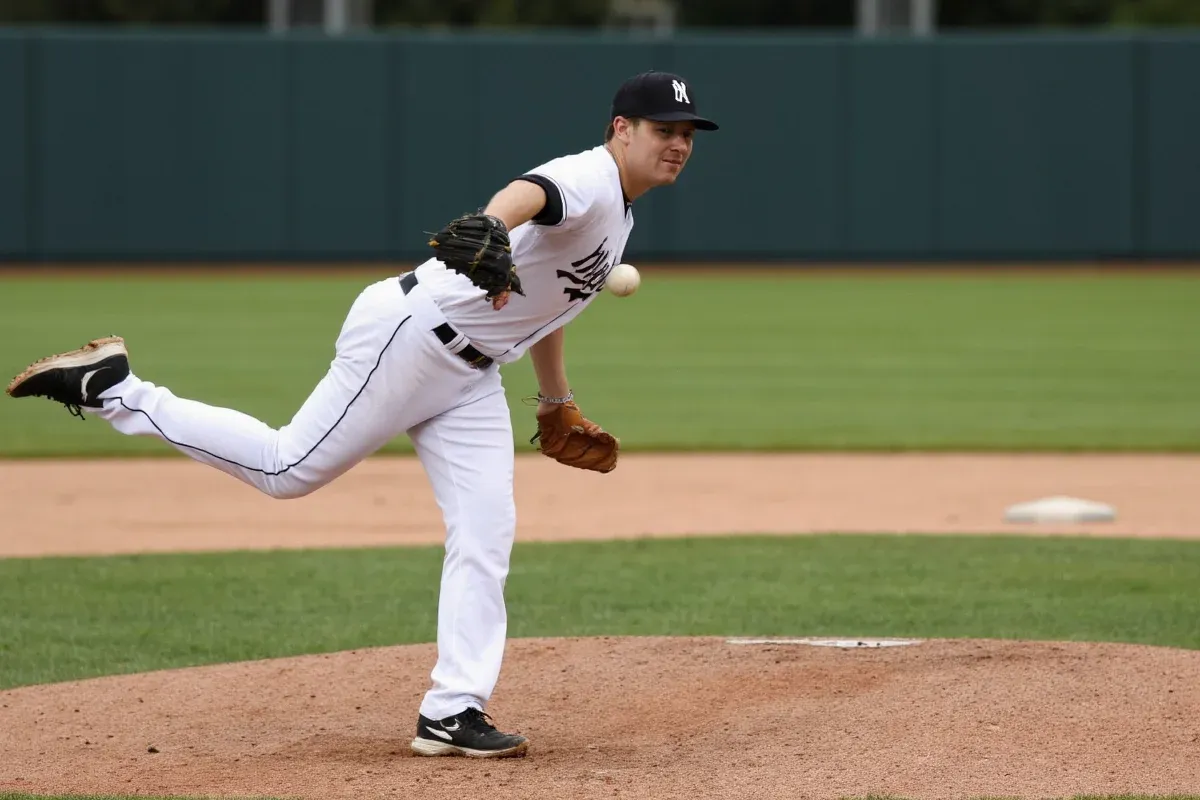 Fastest Baseball Pitch Ever: 105.1 MPH by Chapman
 How Many Golf Courses Are in The Villages? (2025 Data)
 How Many Players in Volleyball Team Including Substitutes?