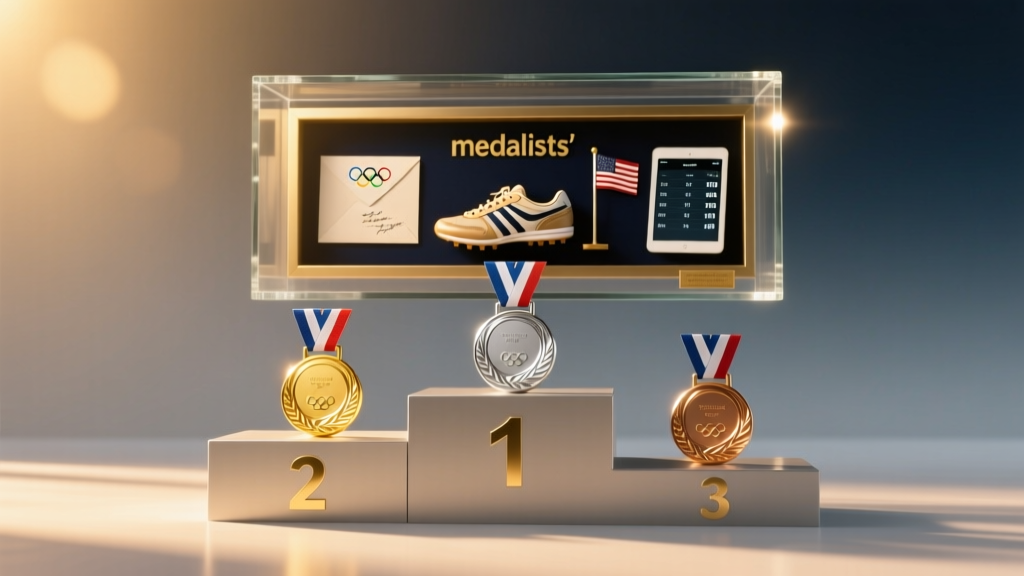
What Do Olympic Medalists Get in the Box?
Olympic medalists receive more than just a medal—they are awarded an official gift box containing the medal, a diploma, a plush toy of the Games' mascot, and various commemorative items that celebrate their achievement at the Olympic Games.
What's Inside the Olympic Medalists' Gift Box?
The iconic moment when an athlete stands atop the podium is just the beginning. Behind the scenes, each Olympic medalist receives a specially curated gift box that symbolizes their accomplishment. While the gold, silver, or bronze medal is the centerpiece, the full package includes several meaningful items.
Standard Contents of the Olympic Gift Box
- Olympic Medal: Crafted to meet IOC standards, each medal features unique designs for the host city.
- Official Diploma: Recognizing the athlete's placement in their event. \li>Games Mascot Plush: A soft toy version of the official mascot, often highly collectible.
- Commemorative Poster: Featuring artwork from the host city's design team.
- Gifts from Sponsors: Branded merchandise or tech products from Olympic partners like Samsung or Omega.
Evolution of the Olympic Athlete Gift Box
Over the years, the contents of the Olympic gift boxes have evolved, reflecting both technological advancements and cultural themes of the host nation. For example, Tokyo 2020 introduced medals made from recycled electronics, while Paris 2024 emphasized sustainability with eco-friendly packaging.
Notable Additions by Host City
Host cities often add unique touches to personalize the experience for athletes:
- Tokyo 2020: Medals crafted from recycled smartphones and laptops; mascot plush (Miraitowa) made from sustainable materials.
- Rio 2016: Wooden craft boxes; seed paper diplomas promoting reforestation.
- Beijing 2022: Silk-covered diploma case; panda-themed gifts reflecting Chinese culture.
- Paris 2024: Medal with a fragment of iron from the Eiffel Tower; recyclable fabric pouch.
| Olympics | Medal Weight (g) | Material Source | Mascot Item | Special Features |
|---|---|---|---|---|
| Tokyo 2020 | 556–580 | Recycled electronics | Miraitowa plush | Sustainable packaging |
| Rio 2016 | 500 | Recycled metals | Vinicius & Tom plush | Seed paper diplomas |
| Beijing 2022 | 530–580 | Gold/Silver/Copper | Bing Dwen Dwen plush | Silk diploma case |
| Paris 2024 | 529 | Recycled silver, gold plating | Phryge plush | Eiffel Tower iron fragment |
The data shows a growing trend toward sustainability and cultural representation in Olympic memorabilia. Paris 2024’s inclusion of Eiffel Tower iron fragments adds historical significance, while Tokyo’s use of recycled tech waste highlights environmental responsibility. These innovations enhance the symbolic value of the gift box beyond mere souvenirs.
Athlete Reactions and Cultural Impact
Many Olympians share their gift boxes on social media, turning them into viral moments. The Tokyo 2020 mascot Miraitowa became a global sensation, while Bing Dwen Dwen from Beijing 2022 sparked a merchandising boom in China. These items not only honor athletic excellence but also promote the host country’s identity.
Frequently Asked Questions About Olympic Medalists' Gift Boxes
Do all Olympic medalists get the same gift box?
Yes, all gold, silver, and bronze medalists receive identical gift boxes in terms of content, though the medal itself differs by color and composition based on placement.
Can athletes sell their Olympic gift boxes?
Yes, many athletes auction their medals and boxes after the Games. Notable sales include Michael Phelps’ 2008 gold medal, which sold for over $180,000.
Are Olympic medals really made of solid gold?
No. Since 1912, Olympic gold medals have been made of silver and coated with at least 6 grams of pure gold, as required by International Olympic Committee rules.
Why do Olympic gift boxes include a mascot plush toy?
The mascot plush promotes the Games’ branding and serves as a symbolic keepsake. It also appeals to younger audiences and collectors worldwide.
How are Olympic medals designed?
The front (obverse) is standardized with Nike, the goddess of victory, while the reverse and ribbon are designed by the host city to reflect local culture and artistic vision.
More Articles
 What Year Did Saints Win Super Bowl? Answer & Details
 What Grip Size Tennis Racket Should You Use?
 How Many BJJ Red Belts Are There? Truth Revealed
 How Long Is a Volleyball Net? Full Dimensions Explained
 What Clubs Are in a Golf Set? Full Breakdown
 How Big Is a Badminton Court? Full Dimensions Explained
 Who Owns Takomo Golf? Founders & Company Overview
 When Was Table Tennis Invented? Origins & History
 Which Teams Are in the Super Bowl? Full Breakdown
 What Channel Is the Super Bowl On Sunday?