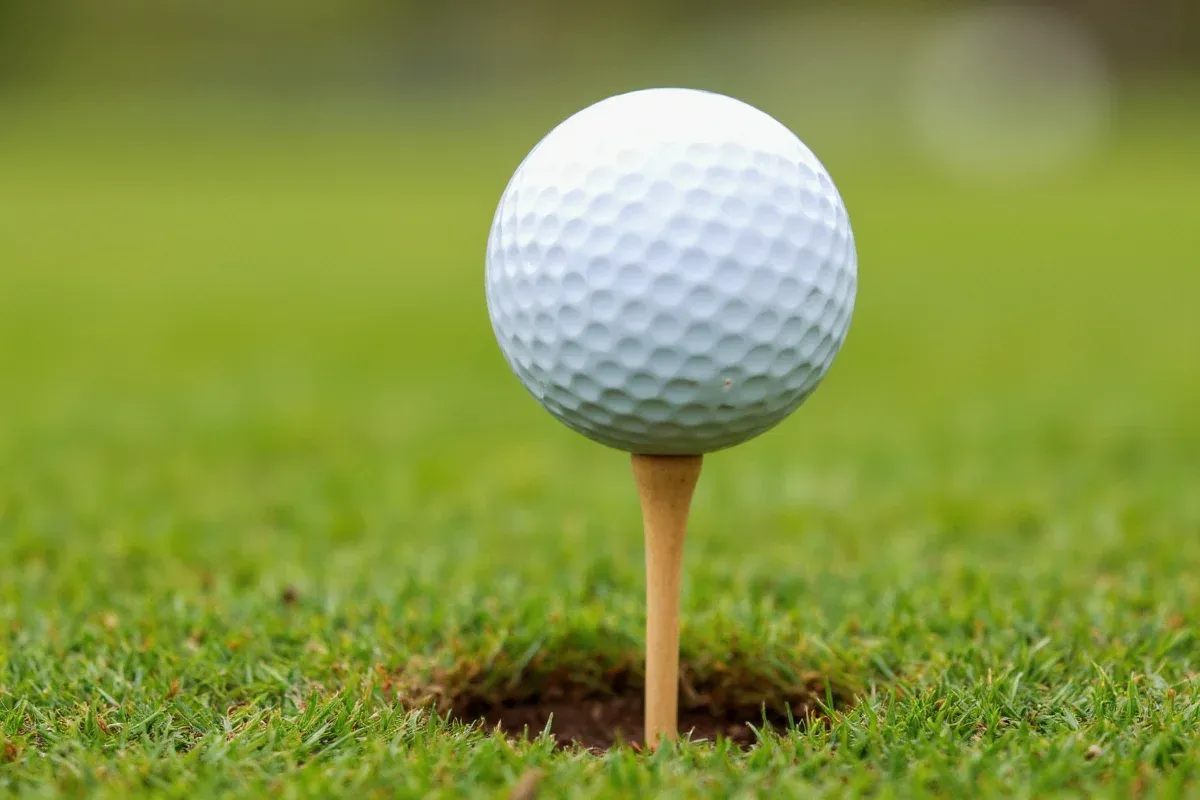
How Much Does a Golf Ball Weigh? Official Weight Explained
A standard golf ball weighs 1.620 ounces (45.93 grams), as regulated by the Rules of Golf set by the USGA and R&A. This maximum weight ensures consistent performance across all levels of play.
Why Is the Weight of a Golf Ball Regulated?
The weight of a golf ball is critical for fairness, consistency, and performance in the game. Governing bodies like the United States Golf Association (USGA) and The R&A enforce strict standards to ensure no player gains an unfair advantage through equipment modifications.
Key Reasons for Standardization
- Fair competition: Uniform ball weight ensures equal conditions for all players.
- Flight consistency: Heavier balls could travel farther, disrupting game balance.
- Equipment integrity: Clubs and course design assume standard ball mass.
- Manufacturing accountability: Brands must meet certification standards to be legal for tournament play.
Golf Ball Weight Specifications and Regulations
The current rules of golf specify that a golf ball must not exceed 1.620 ounces (45.93 grams). There is no minimum weight defined, but manufacturers aim close to the maximum to optimize momentum and stability.
Official Rule Summary (USGA & R&A)
- Maximum weight: 1.620 oz (45.93 g)
- Diameter: Minimum 1.680 inches (42.67 mm)
- Spherical symmetry: Must perform consistently in all orientations
- Velocity limit: Maximum initial velocity under test conditions
- Approved List: Only balls on the USGA's Conforming Golf Ball List are legal for competition
| Brand & Model | Weight (grams) | Weight (ounces) | Diameter (mm) | Compression |
|---|---|---|---|---|
| Titleist Pro V1 | 45.93 | 1.620 | 42.67 | 90 |
| Callaway Chrome Soft | 45.85 | 1.617 | 42.68 | 85 |
| Bridgestone Tour B XS | 45.90 | 1.619 | 42.67 | 92 |
| Srixon Z-Star | 45.88 | 1.618 | 42.67 | 90 |
| Vice Pro+ | 45.92 | 1.619 | 42.67 | 88 |
The data shows that top-tier golf balls are engineered to approach the 45.93-gram limit very closely, with most high-performance models weighing between 45.85g and 45.93g. This precision reflects advanced manufacturing techniques and adherence to USGA regulations. Even minor deviations would disqualify a ball from tournament use.
How Weight Affects Performance
While the difference of a few hundredths of a gram may seem negligible, ball weight influences several aspects of performance:
Impact on Ball Flight and Distance
- Momentum: Heavier balls resist air resistance better, maintaining velocity longer.
- Wind resistance: Slightly heavier balls are less affected by crosswinds.
- Spin control: Weight distribution within layers affects spin response on short shots.
- Launch angle: Combined with dimple design, weight influences optimal launch characteristics.
Common Myths About Golf Ball Weight
Several misconceptions persist about how much golf balls should weigh and what differences mean for players.
Debunking False Beliefs
- Myth: Heavier balls always go farther.
Truth: Beyond the legal limit, extra weight can reduce launch efficiency and increase drag. - Myth: Practice balls are lighter.
Truth: Most practice balls are actually heavier or same weight but less aerodynamic. - Myth: Kids' golf balls are significantly lighter.
Truth: Junior balls often meet standard weight but use softer cores for reduced distance.
Frequently Asked Questions About Golf Ball Weight
How much does a regulation golf ball weigh?
A regulation golf ball must not weigh more than 1.620 ounces (45.93 grams), as defined by the USGA and R&A. Most premium golf balls are manufactured at or just below this threshold to maximize performance while remaining legal for competition.
Can a golf ball weigh less than 45.93 grams?
Yes, there is no minimum weight specified in the rules—only a maximum. However, most manufacturers design balls as close to 45.93 grams as possible because a near-maximum weight improves momentum and flight stability without violating regulations.
Do different brands have different golf ball weights?
All conforming golf balls fall within a very narrow weight range—typically between 45.85g and 45.93g. While slight variations exist due to materials and layer construction, no brand exceeds the legal limit. Differences are imperceptible without precision scales.
Why don’t golf balls have a minimum weight?
The absence of a minimum weight allows innovation in lightweight designs for training or junior players. However, balls significantly under the maximum tend to perform poorly in wind and lack penetrating ball flight, making them impractical for serious play.
Are foam practice golf balls lighter than regular ones?
Yes, foam practice golf balls are typically much lighter—often weighing between 10g and 30g. These reduced-weight balls are designed for safety and shorter flight in confined spaces, not for compliance with tournament regulations.
More Articles
 Sports Gear Care: Evidence-Based Maintenance
 Where Is Right Field in Baseball? Position & Role Explained
 What Does R Mean in Baseball? Explained with Examples
 Volleyball Court Dimensions: Official Size (2026)
 2026 Pro Bowl Location: Orlando Confirmed
 Where to Watch the 2025 Pro Bowl: TV & Streaming Guide
 When Was Baseball Invented? The True Origin Story
 Who Invented Bowling? The True Origin Story
 How Many Players on the Court in Volleyball? (6 Explained)
 Who Won Super Bowl 27 in 1993? Cowboys Beat Bills 52-17