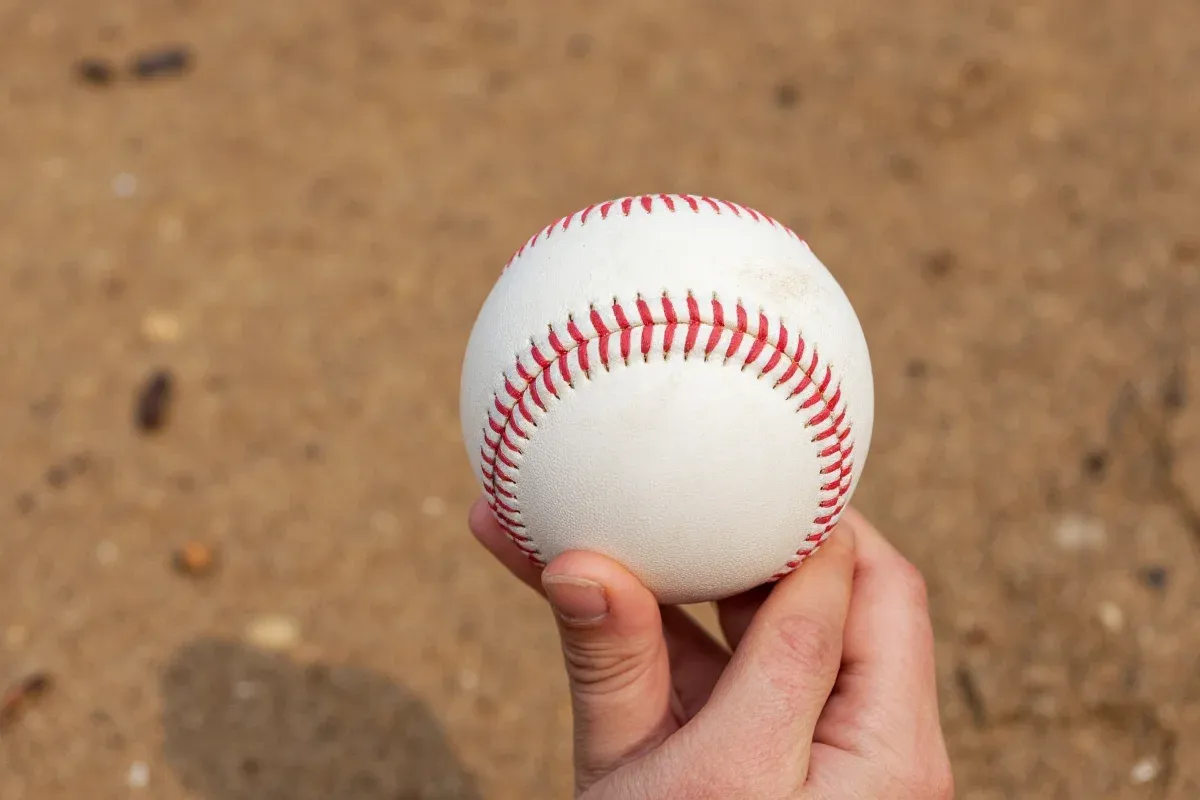
How Much Does a Baseball Weigh? Official Weight Explained
A standard baseball weighs between 5 and 5.25 ounces (142 to 149 grams). This weight is strictly regulated by Major League Baseball (MLB) and other official organizations to ensure consistency and fairness in gameplay.
Understanding Baseball Weight Standards
The weight of a baseball is a critical factor in the sport, influencing pitching speed, hitting power, and overall game dynamics. Whether you're a player, coach, or fan, knowing the exact specifications helps in understanding the equipment used at professional and amateur levels.
Why Baseball Weight Matters
- Consistent weight ensures fair play across all levels of competition.
- Weight affects aerodynamics and control during pitching.
- Manufacturers must adhere to strict guidelines for certification.
- Improperly weighted balls can lead to injuries or performance issues.
Official Baseball Weight Regulations
Major League Baseball (MLB) sets the gold standard for baseball specifications. These rules are followed or adapted by many leagues worldwide, including NCAA, high school associations, and youth leagues.
MLB Baseball Specifications
According to MLB Rule 1.09, a regulation baseball must meet the following criteria:
- Weight: 5 to 5.25 ounces (142–149 g)
- Circumference: 9 to 9.25 inches (22.9–23.5 cm)
- Diameter: Approximately 2.86 to 2.94 inches (7.3–7.5 cm)
- Core: Cork-centered with layers of rubber, wool, and yarn
- Outer cover: Two pieces of white horsehide or cowhide stitched with 108 stitches of waxed red cotton thread
| Organization | Weight (oz) | Weight (g) | Circumference (in) | Circumference (cm) |
|---|---|---|---|---|
| MLB | 5.00–5.25 | 142–149 | 9.00–9.25 | 22.9–23.5 |
| NCAA | 5.00–5.25 | 142–149 | 9.00–9.25 | 22.9–23.5 |
| NFHS (High School) | 5.00–5.25 | 142–149 | 9.00–9.25 | 22.9–23.5 |
| Little League (Majors) | 5.00–5.25 | 142–149 | 9.00–9.25 | 22.9–23.5 |
| Youth Training Ball | 4.00–4.75 | 113–135 | 8.75–9.00 | 22.2–22.9 |
The data shows that professional and scholastic leagues maintain nearly identical standards for baseball weight and size. The only notable deviation is in youth training models, which are slightly lighter and smaller to accommodate developing players. Consistency across MLB, NCAA, and NFHS underscores the importance of uniformity in competitive integrity.
Variations Across Leagues and Use Cases
While official games use standardized baseballs, variations exist for training, recreation, and player development.
Types of Baseballs by Weight and Purpose
- Game Balls: Meet full MLB specifications; used in professional and collegiate play.
- Practice Balls: Often slightly lighter or made with less durable materials to reduce cost. \li>
- Rubber Training Balls: Weigh around 3.5–4.5 oz; used for safety in youth drills.
- Tennis Ball-Sized Trainer: As light as 2 oz; helps young players develop swing mechanics.
How Baseball Weight Affects Performance
The small variation in weight (just 0.25 oz) can influence how a ball behaves when thrown or hit.
- Pitching: Heavier balls may reduce pitch velocity but improve command for some pitchers.
- Hitting: Slightly heavier balls can build strength in batting practice.
- Fielding: Consistent weight improves reaction time and throw accuracy.
Frequently Asked Questions About Baseball Weight
How much does a regulation baseball weigh in ounces?
A regulation baseball weighs between 5.00 and 5.25 ounces, as defined by Major League Baseball and adopted by most organized leagues.
What is the weight of a baseball in grams?
A standard baseball weighs between 142 and 149 grams. This range ensures compatibility with international measurement systems and manufacturing standards.
Do all baseballs weigh the same?
No, while official game balls adhere to strict weight limits, training, youth, and recreational baseballs may be lighter. Variations help accommodate skill level, age, and safety concerns.
Why is a baseball 5 ounces?
The 5-ounce minimum evolved from historical standards to balance performance, durability, and player safety. It allows sufficient mass for aerodynamic stability without being too heavy for throwing or hitting.
Can baseball weight affect pitching speed?
Yes, even small differences in weight can impact pitch velocity. Some pitchers use slightly heavier balls in training to build arm strength, potentially improving speed with regulation balls.
More Articles
 Why Are Tennis Balls Yellow? Science & History Explained
 How Big Is a Tennis Ball? Official Size & Regulations
 Who Invented Cricket? Origins and Evolution
 Who Is Announcing Super Bowl 2025? Full CBS Broadcast Team
 What's in the Olympic Gift Box Athletes Receive?
 Badminton vs Other Sports: Rules and Courts
 Who Won Super Bowl 51? Patriots' Historic Comeback
 Baseball Season End Date 2026: Final Schedule
 Who Did Jake Paul Lose To in Boxing? Full Breakdown
 Where Is Boxer Triple G From? GGG's Origin Revealed