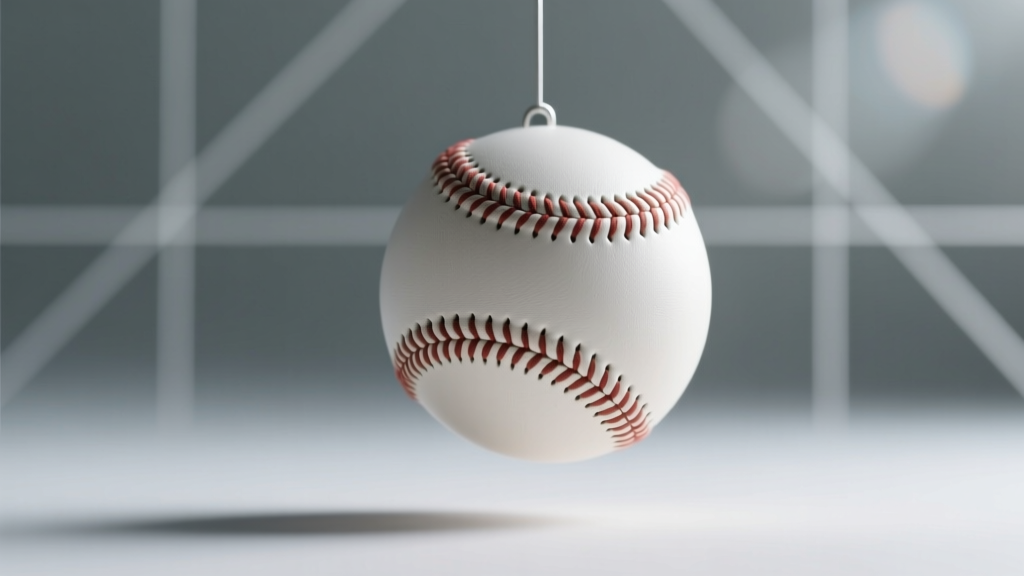
How Much Do Baseballs Weigh? Official Weight by League
Baseballs used in Major League Baseball (MLB) weigh between 5 and 5.25 ounces (142 to 149 grams), with a standard circumference of 9 to 9.25 inches. This weight is strictly regulated to ensure consistency in gameplay, pitching accuracy, and hitting performance across all professional games.
Understanding the Weight of a Baseball
The weight of a baseball is a critical factor in maintaining fair and consistent play in professional and amateur leagues alike. A regulation baseball must meet exact specifications set by governing bodies like Major League Baseball (MLB) and the National Collegiate Athletic Association (NCAA). These standards ensure that pitchers can rely on consistent ball dynamics, while batters face a uniform challenge at the plate.
Why Baseball Weight Matters
- Consistent weight ensures predictable pitch movement and speed.
- Helps maintain fairness across different game conditions and ballparks.
- Affects swing mechanics and bat-ball collision efficiency for hitters.
- Ensures player safety by avoiding unexpectedly heavy or light balls.
- Supports accurate training and equipment calibration.
Official Baseball Specifications by League
Different leagues have slightly varying requirements for baseball construction, including weight, size, and materials. While MLB sets the benchmark, other organizations adapt these standards based on age group, skill level, and playing environment.
| League/Organization | Weight (ounces) | Weight (grams) | Circumference (inches) | Core Material |
|---|---|---|---|---|
| Major League Baseball (MLB) | 5.00–5.25 | 142–149 | 9.00–9.25 | Cork & rubber |
| NCAA (College) | 5.00–5.25 | 142–149 | 9.00–9.25 | Cork & rubber |
| NFHS (High School) | 5.00–5.25 | 142–149 | 9.00–9.25 | Cork & rubber |
| Youth Leagues (e.g., Little League) | 4.75–5.00 | 135–142 | 8.75–9.00 | Synthetic or cork |
| Soft Core Training Balls | 4.50–4.75 | 128–135 | 8.75–9.00 | Foam or yarn blend |
The data shows that professional and collegiate baseballs are nearly identical in weight and size, ensuring a seamless transition for athletes moving from college to the pros. Youth and training balls are lighter and smaller, reducing injury risk and improving control for developing players. The slight variation in core materials also affects durability and performance under different weather conditions.
How Baseball Weight Has Evolved Over Time
Baseball specifications have changed significantly since the 19th century. Early baseballs were handmade, leading to inconsistent weights and sizes—some as light as 3 ounces or as heavy as 6. By the 1870s, standardized manufacturing began, and the weight gradually settled into today’s range.
Key Milestones in Baseball Standardization
- 1872: First official weight standard introduced (around 5.5 ounces).
- 1890s: Introduction of the “lively ball” era with tighter winding, affecting both weight distribution and bounce.
- 1934: MLB mandates the use of a cork-centered ball, stabilizing weight and performance.
- 1970s–Present: Strict quality control ensures every ball meets precise weight and seam height standards.
Factors That Influence Baseball Weight
While manufactured to strict tolerances, several factors can cause minor fluctuations in a baseball’s effective weight during a game:
- Moisture absorption: Leather covers can absorb humidity, adding slight weight.
- Wear and tear: Scuffing, dirt accumulation, and stitching damage may alter mass distribution.
- Altitude and temperature: Affect air density and perceived ball behavior, though not actual weight.
- Manufacturing variance: Even within specs, small differences exist between batches.
Frequently Asked Questions About Baseball Weight
How much does a Major League Baseball weigh?
A Major League Baseball weighs between 5.00 and 5.25 ounces (142 to 149 grams). This weight is regulated by MLB rules and verified through quality control before each game.
Do all baseballs weigh the same?
No, not all baseballs weigh the same. While MLB, NCAA, and high school balls are within the same weight range, youth league and training balls are lighter—typically between 4.5 and 5.0 ounces—to suit younger players.
Why are baseballs weighed before games?
Umpires do not typically weigh each ball before games, but MLB inspects random samples from each shipment. Consistent weight ensures fair play and prevents any team from gaining an advantage through altered balls.
Can a baseball’s weight affect pitching performance?
Yes. Even a half-ounce difference can impact pitch velocity, spin rate, and movement. Pitchers train extensively with regulation-weight balls, so deviations can disrupt muscle memory and command.
Are softball and baseball weights similar?
No. Softballs are larger and heavier, typically weighing between 6.25 and 7.0 ounces (177–198 grams), depending on the type. This reflects the larger field size and underhand pitching style in softball.
More Articles
 Who Played in Super Bowl 2022? Teams, Score & Highlights
 Rose Bowl Capacity: How Many People Can It Hold?
 Find Open Golf Courses Near You Today
 Why Is Baseball Popular in Japan? Key Reasons Explained
 Who Won the Boxing Fight Last Night? Crawford KO's Madrimov
 How Are Golf Balls Made? Manufacturing Process Explained
 How Long to Get a BJJ Black Belt? Real Timeline Revealed
 When Did the Raiders Last Win the Super Bowl?
 What Golf Clubs Does Rory McIlroy Use in 2025?
 When Is Baseball Season in America? 2025 Schedule Guide