How Many Volleyball Players in a Team? Full Breakdown
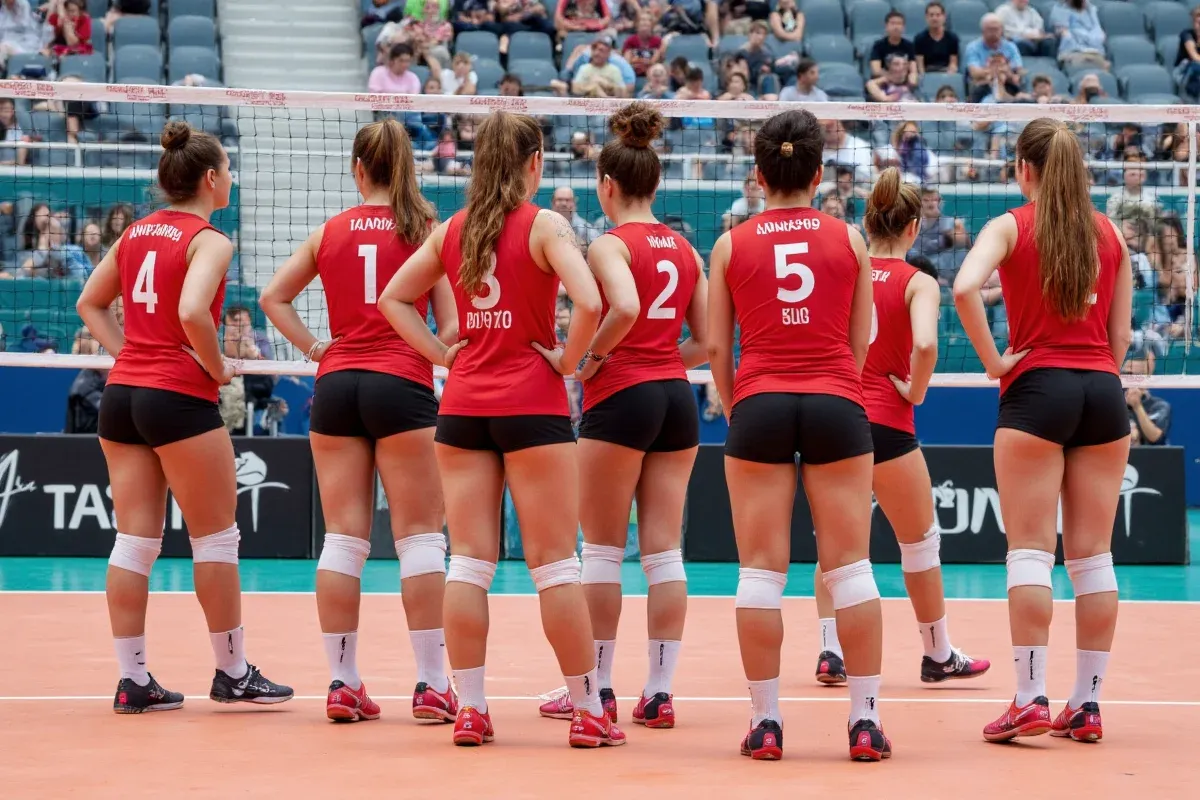
In a standard volleyball match, each team consists of 6 players on the court at any given time. These players are typically positioned in two rows of three: three front-row attackers and three back-row defenders. Substitutions are allowed under regulated conditions, but only 6 players per team may play simultaneously during a rally.
Understanding Volleyball Team Composition
Volleyball is a dynamic team sport played globally at amateur and professional levels. The core structure of a team revolves around six starting players, with additional athletes available on the bench for substitutions. Understanding how teams are composed helps fans, players, and coaches grasp the strategic depth of the game.
Key Roles in a Volleyball Team
- Setter: Orchestrates the offense by delivering precise passes to hitters.
- Outside Hitter: Primary attacker who hits from the left side of the court.
- Middle Blocker: Specializes in quick attacks and blocking opponent spikes.
- Opposite Hitter: Attacks from the right side and often handles back-row hitting.
- Libero: A defensive specialist who cannot serve or attack above the net; wears a different colored jersey.
- Defensive Specialist (DS): Similar to libero but can attack and rotate into the front row.
Substitutions and Roster Rules
While only 6 players are on the court, official rosters allow more athletes. In international competitions governed by FIVB rules, a team may have up to 14 players, including 12 active players and 2 liberos. Substitutions follow strict regulations to maintain fairness and game flow.
FIVB Official Roster Limits
- Maximum of 14 players per team per match day
- Minimum of 10 players required to field a team
- Only 2 designated liberos allowed per team
- Unlimited substitutions between liberos and other back-row players (with restrictions)
| Tournament | Total Players per Team | On-Court Players | Liberos Allowed | Substitution Limit |
|---|---|---|---|---|
| Olympic Games (FIVB) | 14 | 6 | 2 | Unlimited (per rotation) |
| NCAA Women's Volleyball | 15–18 (roster) | 6 | 2 | Limited by set count |
| High School (NFHS) | 12 (max) | 6 | 1–2 | Restricted per set |
| Beach Volleyball (FIVB) | 2 | 2 | N/A | No substitutions |
The data shows that while indoor volleyball maintains a consistent 6-player format on the court across all levels, roster sizes vary significantly based on competition level. International and collegiate teams tend to have deeper benches, allowing for tactical flexibility. Beach volleyball, in contrast, operates with just 2 players per team and no substitutions, highlighting its reliance on endurance and versatility.
How Player Positions Impact Game Strategy
Each of the 6 on-court players has a specialized role that contributes to both offensive and defensive systems. Teams use rotational strategies to ensure optimal positioning. For example, when a back-row player rotates to the front, they may avoid attacking roles if not trained as a hitter. Coaches often design plays around the setter’s ability to distribute the ball efficiently.
Rotation Rules and Positional Discipline
- Players must rotate clockwise after winning a serve from the opponent
- Front-row players can block and attack from anywhere
- Back-row players cannot block or attack from in front of the 3-meter line
- Liberos cannot serve, block, or complete an attack above the net
- Misrotation results in a point penalty
Common Questions About Volleyball Team Size
How many players are on a volleyball team during a match?
During a match, each volleyball team has 6 players on the court. However, official rosters can include up to 14 players for international competitions, allowing for substitutions and strategic depth.
Can a volleyball team play with fewer than 6 players?
Yes, a team can continue with as few as 1 player if others are injured or disqualified, though this is extremely rare. Matches are forfeited if a team cannot field at least one eligible player.
What is the role of the libero in a volleyball team?
The libero is a defensive specialist who wears a different jersey and cannot serve, block, or attack the ball above the net. They enhance back-row defense and receive serves, improving team consistency in passing and digging.
Are there differences in team size between indoor and beach volleyball?
Yes, indoor volleyball teams have 6 players on the court, while beach volleyball teams consist of only 2 players. Additionally, beach volleyball does not allow substitutions once the match begins.
How many substitutions are allowed in a volleyball game?
In FIVB and NCAA rules, teams can make unlimited substitutions per set, but only between specific players and within positional constraints. High school rules may limit substitution numbers depending on the state or association.
More Articles
 How Long Is an MMA Round? Full Breakdown
 Why Is It Called the Super Bowl?
 Who Has Won the Most Super Bowls in NFL History?
 LSU Baseball Game Tonight Start Time & TV Info
 Where to Watch MLB Baseball in 2025 – Full Guide
 How Long Did Babe Ruth Play Baseball? Career Span Revealed
 How Many Super Bowls Did Joe Montana Win?
 Who Is the GOAT of Baseball? Ruth, Bonds & Mays Compared
 Who Won Super Bowl 2000? Rams vs Titans Full Recap
 Who Was the Greatest Tennis Player of All Time?