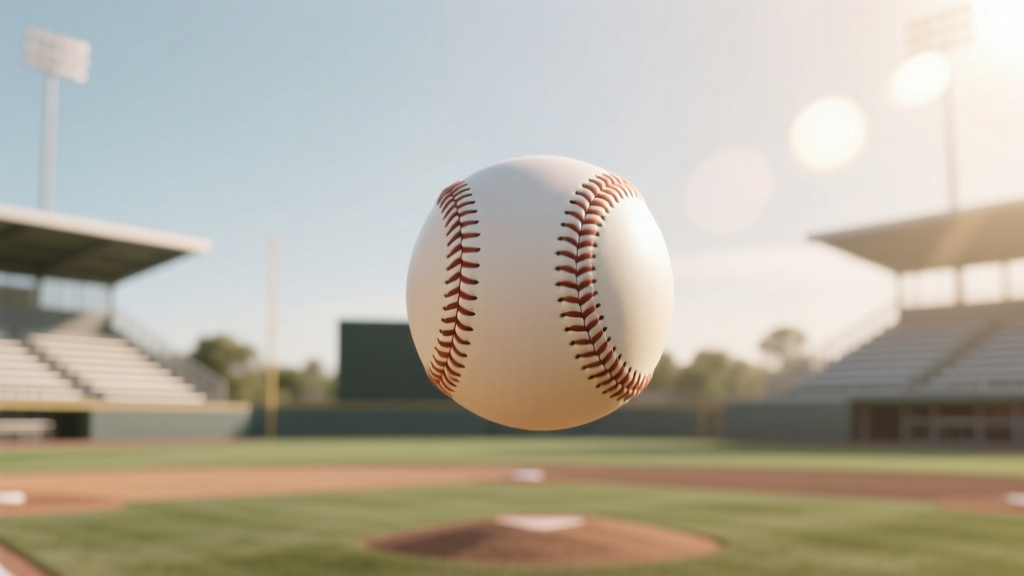
How Many Outs Are in a Baseball Game? Full Breakdown
In a standard baseball game, there are 54 outs—27 outs per team across nine innings, with three outs required to end each half-inning.
Understanding the Structure of Outs in Baseball
Baseball is structured around the concept of outs, which are critical to ending innings and ultimately games. Each team gets three outs per half-inning, and a regulation game consists of nine innings. This means each team must record 27 outs to complete their defensive duty, totaling 54 outs for the full game.
Why Three Outs Per Inning?
The three-out system maintains balance between offense and defense. Once a team records three outs, their turn in the field ends, and the opposing team comes up to bat. This rhythm defines the flow of the game.
- Each inning has a top (visiting team) and bottom (home team) half.
- Three outs end each half-inning.
- If the home team leads after the top of the ninth, the bottom half may not be played.
- Extra innings continue until one team wins, adding more outs beyond 54.
When Does the Number of Outs Change?
While 54 is standard, actual out counts can vary due to game length, mercy rules, or weather.
Situations That Alter Total Outs
Several factors can lead to fewer or additional outs:
- Extra Innings: If the score is tied after nine innings, the game continues until one team leads at the end of a completed inning. Each extra inning adds up to six more outs (three per side).
- Weather-Shortened Games: If a game is called official before nine innings (typically after 4.5 or 5 innings), fewer outs occur.
- Mercury Rules (High School/Amateur): Some leagues end games early if one team leads by 10+ runs after five innings.
- Doubleheaders: Some are seven innings long, reducing total outs to 42.
| Game Type | Innings | Outs per Team | Total Outs |
|---|---|---|---|
| Standard MLB Game | 9 | 27 | 54 |
| 7-Inning Doubleheader (MLB) | 7 | 21 | 42 |
| Extra Innings (10 total) | 10 | 30 | 60 |
| High School (6-inning game) | 6 | 18 | 36 |
| Youth League (5-inning game) | 5 | 15 | 30 |
The table illustrates how outs scale with game length. Major League Baseball uses nine-inning games as standard, but other levels adjust for time and player development. The consistent rule is three outs per half-inning, making it a universal constant regardless of game duration.
Key Scenarios That Result in an Out
Understanding what constitutes an out helps clarify why 54 is typical. Here are common ways players are retired:
- Strikeout: A batter accumulates three strikes.
- Force Out: A baserunner fails to reach the next base before a fielder with the ball touches it.
- Tag Out: A runner is tagged with the ball while off base.
- Fly Out: A batter hits a ball caught in the air by a fielder.
- Ground Out: A batter hits a ground ball resulting in an out, often allowing a runner to advance.
Frequently Asked Questions About Outs in Baseball
How many outs are in a single inning of baseball?
There are six outs in a full inning—three for the top half (visiting team) and three for the bottom half (home team). Each half-inning ends after three outs.
Do both teams get three outs per inning?
Yes, each team gets the opportunity to record three outs while on defense during their opponent's batting half-inning. This alternates throughout the game.
Can a baseball game end with fewer than 54 outs?
Yes. If a game is shortened by weather and deemed official, or if a mercy rule applies, fewer than 54 outs may occur. For example, a 5-inning rain-shortened game would have a maximum of 30 outs.
What happens when a game goes into extra innings?
Extra innings add three outs per team per inning. So, a 10-inning game has 60 total outs (30 per team), and so on until one team leads at the end of a completed inning.
Are there any games with less than nine innings?
Yes. MLB doubleheaders sometimes use seven-inning games. High school, youth, and amateur leagues often play shorter games ranging from 5 to 7 innings, reducing the total number of outs accordingly.
More Articles
 Practical Sports Strategies That Deliver Results
 Who Has the Best Boxing Record? Mayweather's 50-0 Legacy
 How Old Is John McEnroe in 2025? Age & Career Facts
 Where to Sell Used Golf Clubs for Cash in 2025
 What Number Is Jude Bellingham? Real Madrid Jersey Revealed
 How Long to Get Black Belt in BJJ? Realistic Timeline
 Who Owns Cobra Golf? Current Owner Revealed
 Badminton Court Size: Official Dimensions 2025
 How Many Martial Arts Do MMA Fighters Know?
 What Time Is the Senior Bowl? 2025 Game Time & How to Watch