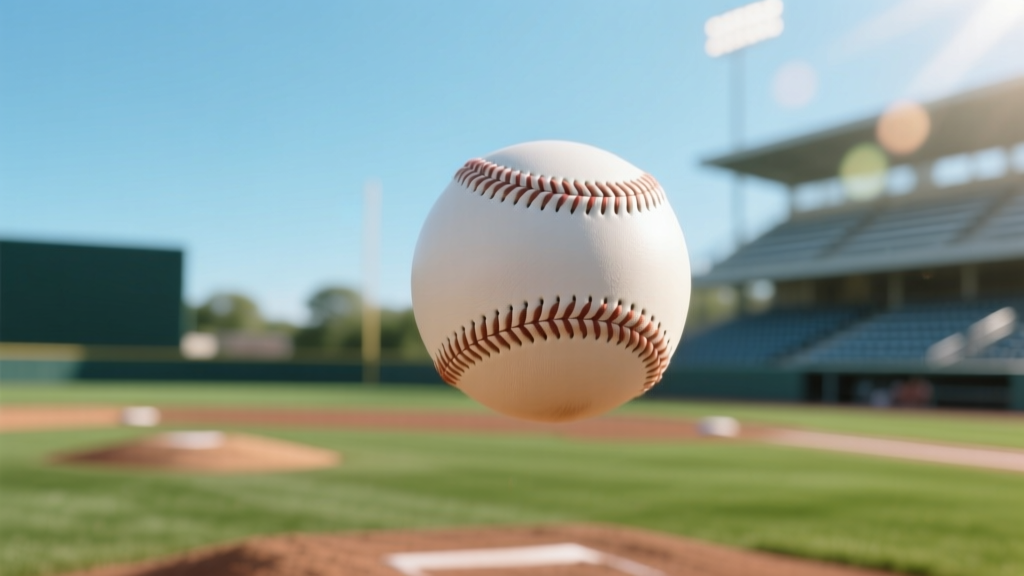
How Many Innings Are in Baseball? Explained
In professional baseball, such as Major League Baseball (MLB), a standard game consists of nine innings. Each inning is divided into a top and bottom half, during which both teams take turns batting and fielding. If the score is tied after nine innings, the game continues into extra innings until one team wins.
Understanding Innings in Baseball
An inning is a fundamental unit of play in baseball, where each team gets a chance to bat and score runs while the opposing team fields. The structure ensures fairness and balance in gameplay.
How an Inning Works
- Each inning has two halves: the top (visiting team bats) and the bottom (home team bats).
- An inning ends when each team records three outs.
- If the home team leads after the top of the ninth, they don’t bat in the bottom half.
- Games continue into extra innings if tied after nine.
Variations Across Leagues
The number of innings can vary depending on the level of play, league rules, or special circumstances such as weather or scheduling constraints.
| League/Level | Innings Played | Overtime Rules | Duration (Avg.) |
|---|---|---|---|
| MLB (Major League Baseball) | 9 | Extra innings with runner on second | 3 hours 5 minutes |
| NCAA College Baseball | 9 | Extra innings, runner on second after 10th | 3 hours 10 minutes |
| High School Baseball | 7 | Extra innings, no automatic runners | 2 hours |
| Youth Baseball (Ages 9–12) | 6 | Run-ahead rule (mercy rule) | 1 hour 30 minutes |
| International (WBSC) Tournaments | 9 | Extra innings, runner on second after 10th | 2 hours 45 minutes |
The data shows that MLB and international games follow the traditional nine-inning format, while high school and youth leagues shorten games for time and player safety. The introduction of the automatic runner rule in extra innings reduces game length at professional and college levels.
Extra Innings and Game Length
When a game is tied after regulation, it goes into extra innings. Since 2020, MLB places a baserunner on second base at the start of each extra inning to accelerate resolution. This rule has reduced average extra-inning game duration by approximately 20 minutes.
Key Factors Influencing Extra Innings
- Weather delays may lead to suspended games.
- Doubleheaders in MLB are sometimes seven innings long.
- Mercy rules apply in amateur leagues (e.g., 10-run lead after 5 innings).
- Postseason games have no time limits and can extend significantly.
Frequently Asked Questions About Baseball Innings
How many innings are in a standard MLB game?
A standard Major League Baseball game consists of nine innings. If the score is tied after nine, the game continues into extra innings until one team is ahead at the end of a completed inning.
Why do baseball games have nine innings?
The nine-inning format was established in 1857 by the National Association of Base Ball Players. Nine players per team influenced the decision, creating a balanced structure that remains standard today.
How long does a typical 9-inning baseball game last?
As of 2025, the average MLB game lasts about 3 hours and 5 minutes. This includes breaks, pitching changes, and replay reviews. Shorter formats like high school games average around 2 hours.
Can a baseball game end in the 7th or 8th inning?
Yes, if the home team is leading after the top of the 7th or 8th inning, the game can end early. Additionally, weather or mercy rules may cause early termination if enough innings are completed (usually 5).
What happens if a baseball game is tied after 9 innings?
The game continues into extra innings. Starting in 2020, MLB places a runner on second base at the beginning of each extra inning to increase scoring chances and reduce game length.
More Articles
 How Much Do MMA Fighters Earn? (2025 Data)
 How Many Calories Does Bowling Burn? (Real Data)
 What Does RHP Mean in Baseball? Explained
 How Many People Play in the Masters Golf Tournament?
 Who Invented Boxing? The True Origins Explained
 Who Has Won the Most Majors in Golf? Nicklaus Leads with 18
 How Much Do Pro Volleyball Players Make? (2025 Data)
 Where to Buy Bowling Shoes: Best Stores & Brands 2025
 Where Did Rugby Start? Origins and History Explained
 Volleyball Season: U.S. & Global Schedules (2026)