How Many Boards on a Bowling Lane? (39 Explained)
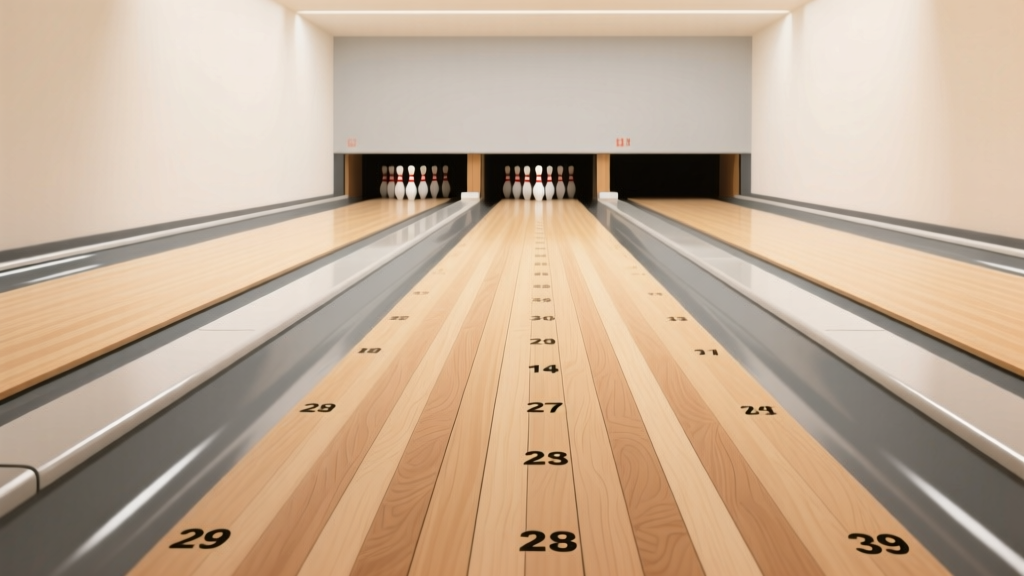
There are 39 wooden boards on a standard bowling lane, each approximately 1 inch wide, running from the foul line to the pin deck. This consistent width and board count provide a uniform surface for ball trajectory control and targeting in ten-pin bowling.
The Structure of a Bowling Lane
Bowling lanes are meticulously constructed to ensure fair and consistent gameplay. The surface is made up of long, parallel wooden or synthetic boards that span the length of the lane, typically 60 feet from the foul line to the head pin. Understanding the composition of these boards is essential for players and lane maintenance professionals alike.
Materials Used in Lane Construction
- Traditional lanes use hard maple wood for durability and resistance to wear.
- Modern lanes often feature synthetic overlays or entirely synthetic surfaces.
- Each board is approximately 1 inch wide and runs the full length of the lane.
- The first 12 feet from the foul line may include a harder material to withstand repeated ball impacts.
Why Are There 39 Boards?
The standardization of 39 boards dates back to early American bowling regulations. This number allows for precise targeting and shot consistency across all sanctioned lanes worldwide.
Targeting Using the Board System
Players use the boards as reference points for aiming. Common target areas include:
- Board 15: Often aligned with the center arrow (arrow 2).
- Board 20: A common strike target for right-handed beginners.
- Board 5: Frequently used by left-handed bowlers aiming at the head pin.
| Lane Position | Board Number | Common Target Use | Arrow Alignment |
|---|---|---|---|
| Foul Line Reference | 1 (left edge) | Rail shots, spares | N/A |
| Center of Lane | 20 | Beginner strike zone | Arrow 3 |
| Pocket Target (RH) | 17–19 | Strike aiming point | Arrow 2 |
| Pocket Target (LH) | 21–23 | Strike aiming point | Arrow 4 |
| Right Edge | 39 | Avoidance zone | N/A |
The table illustrates how board numbers correlate with strategic targeting zones. Most professional bowlers rely on specific board counts at the foul line and match them to arrows further down the lane. The consistency of 39 boards ensures that techniques remain transferable between alleys.
Maintenance and Board Wear
Over time, heavy ball traffic affects certain boards more than others. Areas near the center (boards 18–22) tend to show faster wear due to repeated ball impacts. Regular sanding, oiling, and resurfacing are required to maintain lane integrity.
Oil Pattern Influence on Board Usage
- Oil patterns determine which boards are most active during play.
- Longer patterns encourage use of outer boards; shorter ones favor inside lines.
- Understanding dry vs. oiled boards helps players adjust their approach.
FAQs About Bowling Lane Boards
How many boards are on a ten-pin bowling lane?
A standard ten-pin bowling lane consists of 39 individual boards, each about 1 inch wide, extending the full length of the 60-foot playing surface.
Are all bowling lanes exactly 39 boards wide?
Yes, all regulation ten-pin bowling lanes follow the 39-board standard set by the United States Bowling Congress (USBC) and World Bowling to ensure consistency in competition and training environments.
Why do bowling lanes have numbered boards?
Numbered boards help bowlers aim accurately by providing measurable reference points. Players can replicate successful shots by remembering which board their ball crossed at the foul line and where it traveled down the lane.
Do synthetic bowling lanes also have 39 boards?
Even though synthetic lanes aren't made of real wood strips, they are designed with a 39-board equivalent layout. The surface is segmented to mimic traditional board dimensions for consistent targeting and rule compliance.
How do professional bowlers use lane boards for targeting?
Pros use the board system in conjunction with the seven arrows located 15 feet past the foul line. For example, a right-handed player might aim for board 18 at the foul line and align it with the second arrow to hit the pocket consistently.
More Articles
 What Does Walk-Off Home Run Mean in Baseball?
 What Does Volleyball Score Go To? Explained
 How Old Is Manny Pacquiao in 2025? Age and Career Facts
 Tennis Racket Weight Effects Explained
 Who Won Super Bowl 2010? Saints Beat Colts 31-17
 Super Bowl Start Time: What Time Does the Game Begin?
 What Does Squash Look Like? Court, Ball & Gameplay Explained
 How Long Is an Inning in Baseball? Time & Factors Explained
 How Long Do Tennis Games Last? Match Duration Explained
 How High Is a Badminton Net? Official Height Explained