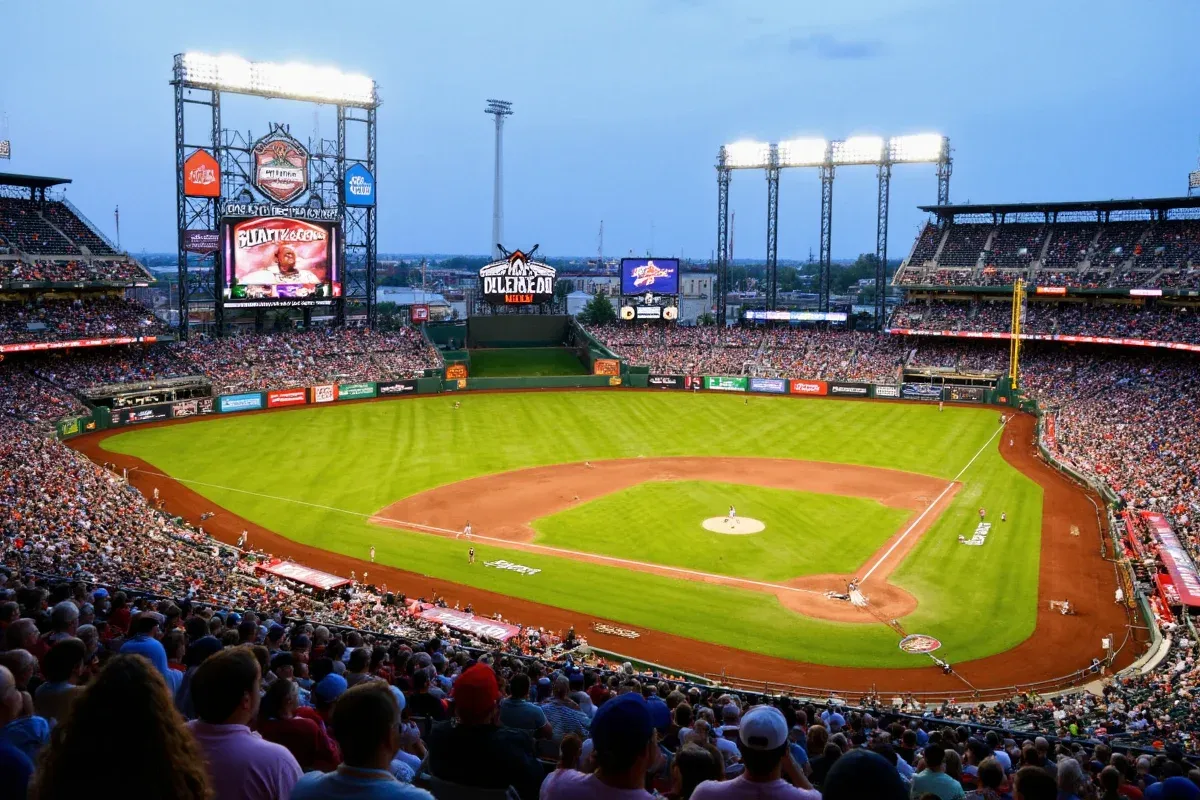
How Long Is a Minor League Baseball Game? (2025 Data)
A Minor League Baseball game typically lasts around 2 hours and 40 minutes on average, though duration can vary by level, team pace, and game circumstances. Recent pace-of-play initiatives have helped shorten games compared to past seasons.
Understanding Minor League Baseball Game Length
Minor League Baseball (MiLB) serves as the developmental system for Major League Baseball (MLB), featuring players honing their skills across various classifications. One common question among fans and newcomers is: how long is a minor league baseball game? The standard answer is approximately 2 hours and 40 minutes, but several factors influence this duration.
Standard Game Duration by Level
Minor League games are scheduled for nine innings, just like in MLB. However, game length varies depending on the classification level—Triple-A, Double-A, High-A, and Single-A. In recent years, MLB and MiLB have implemented pace-of-play rules to reduce game times, making games more fan-friendly.
- Triple-A: Longest average duration due to higher skill level and strategic complexity.
- Double-A: Slightly shorter than Triple-A; balanced between development and efficiency.
- High-A and Single-A: Often quicker due to stricter pace-of-play enforcement and developmental focus.
Pace-of-Play Rules Impacting Game Time
To improve fan experience and maintain engagement, Minor League Baseball has been a testing ground for experimental pace-of-play rules. These changes directly affect how long games last.
Key Rule Changes
- Timed Innings: Between 2021 and 2023, pitch clocks were tested in select MiLB levels before being adopted in MLB.
- Extra-Inning Runner Rule: A runner starts on second base in extra innings to encourage faster resolution.
- Limited Mound Visits: Teams are restricted in the number of non-pitching-change mound visits per game.
- Batter Timeout Limits: Batters allowed fewer timeouts during at-bats to prevent delays.
These rules have successfully reduced average game times by up to 20 minutes compared to pre-2021 averages.
Factors That Influence Game Duration
While the average Minor League game lasts about 2 hours and 40 minutes, actual length depends on multiple variables.
Common Influencing Factors
- Number of Pitching Changes: More substitutions lead to longer breaks between innings.
- Innings with High Pitch Counts: Prolonged at-bats and walks extend individual innings.
- Weather Delays or Injuries: Unplanned stoppages add time.
- Extra Innings: Games tied after nine innings continue until a winner is decided.
- Stadium Entertainment: Between-inning promotions may slightly extend downtime.
| Classification | Average Game Time (2023) | Innings Played | Pitch Clock Usage | Extra Innings % |
|---|---|---|---|---|
| Triple-A | 2:42 | 9.0 | Yes (30 sec) | 9.8% |
| Double-A | 2:37 | 9.0 | Yes (20 sec w/ runners) | 8.5% |
| High-A | 2:33 | 9.0 | Yes (20 sec w/ runners) | 7.2% |
| Single-A | 2:28 | 9.0 | Yes (20 sec w/ runners) | 6.4% |
The data shows a clear trend: lower classifications have shorter game times, largely due to stricter enforcement of pitch clocks and fewer pitching changes. The presence of a runner on second in extra innings also reduces the likelihood of marathon games, reflected in sub-10% extra-inning rates across levels.
Comparison with Major League Baseball
Prior to the 2023 season, MLB games averaged over three hours. With the introduction of the pitch clock, MLB game times dropped to around 2 hours and 38 minutes. This brings MLB closer in duration to Minor League games, especially Triple-A.
Minor League Baseball has served as a crucial testing environment for these innovations. The success seen in MiLB provided confidence for MLB to adopt similar rules.
Frequently Asked Questions About Minor League Baseball Game Length
How long does a typical Minor League Baseball game last?
Most Minor League Baseball games last between 2 hours and 30 minutes to 2 hours and 45 minutes, depending on the classification level and pace-of-play rules in effect.
Do all Minor League levels have the same game length?
No, game length varies by level. Triple-A games tend to be the longest (around 2:42), while Single-A games are often the shortest (about 2:28), due to differences in strategy, player development focus, and rule enforcement.
Are there pitch clocks in Minor League Baseball?
Yes, pitch clocks are used in all full-season Minor League levels. Pitchers have 15–30 seconds between pitches depending on whether runners are on base, and batters must be ready within 8 seconds of the timer starting.
What happens if a Minor League game ends in a tie?
Games do not end in ties. If the score is tied after nine innings, the game continues into extra innings. Since 2021, a runner starts on second base in extra innings to increase scoring chances and shorten game duration.
Why are Minor League games shorter than they used to be?
Due to pace-of-play initiatives such as pitch clocks, limited mound visits, and the extra-inning runner rule, Minor League games have become significantly faster since 2021. These changes were designed to enhance fan experience and maintain game momentum.
More Articles
 Best Bowling Balls: Top Stores & Online Retailers (2026)
 Orange Bowl 2025 Start Time, TV Channel, How to Watch
 How Long Does a Tennis Match Last? Average & Record Times
 How Big Are Tennis Balls? Official Size & Weight Explained
 Who Won the 2004 Super Bowl? Patriots vs Panthers
 What Time Is the Super Bowl 2025 On? Full Air Schedule
 What Time Is Golf on TV Today? Live Broadcast Schedule
 How Long Is a Rugby Match? Full Breakdown by Format
 Volleyball Court Dimensions: Official Size & Layout
 Who Has Jake Paul Boxed? Full Fight List & Record