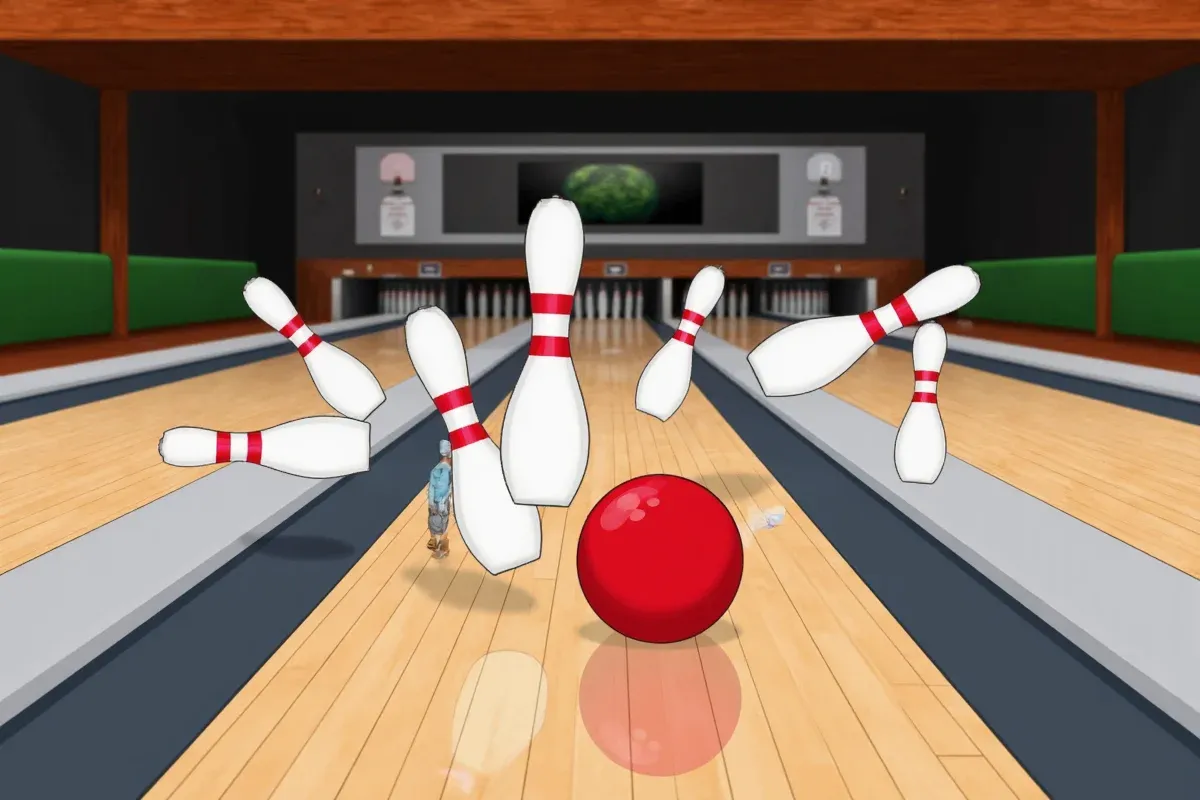
How Long Is a Bowling Alley Lane? Official Length Explained
A standard bowling alley lane is 60 feet (18.29 meters) long from the foul line to the head pin, which is universally regulated by official bowling organizations such as the United States Bowling Congress (USBC) and World Bowling.
Understanding Standard Bowling Lane Dimensions
Bowling lanes are precisely engineered to ensure fair and consistent gameplay across all sanctioned venues. The standardized length of 60 feet (720 inches) is measured from the foul line—the front edge of the lane—to the center of the headpin (pin #1). This measurement is critical for maintaining uniformity in professional and recreational play.
Key Components of a Bowling Lane
- Foul Line: Marks the beginning of the playable area; crossing it during delivery results in a foul.
- Lane Surface: Typically made of synthetic material or maple and pine wood, measuring 60 feet long and 41.5 inches wide.
- Pin Deck: The area at the end of the lane where the ten pins are set up in a triangular formation.
- Gutters: Channels on either side of the lane that collect off-target balls.
- Approach Area: The 15 feet section before the foul line where bowlers take their steps before releasing the ball.
Variations in Lane Lengths by Setting
While 60 feet is the official regulation length, some variations exist depending on venue type and player demographics. For example, youth or recreational centers may install shorter lanes to accommodate younger players or space constraints.
| Venue Type | Lane Length (feet) | Lane Length (meters) | Width (inches) | Governing Body |
|---|---|---|---|---|
| Professional / Tournament | 60 | 18.29 | 41.5 | USBC, World Bowling |
| Recreational Centers | 60 | 18.29 | 41.5 | USBC Standards |
| Youth Leagues (Modified) | 48–50 | 14.63–15.24 | 41.5 | Junior USBC Programs |
| Mini Bowling (Family Entertainment) | 36–45 | 10.97–13.72 | 36–41.5 | Private Operators |
| School Gyms (Portable Lanes) | 30–40 | 9.14–12.19 | 36 | N/A |
The data shows that while professional and most recreational lanes adhere strictly to the 60-foot standard, youth and entertainment-focused installations often use shorter lengths. These reductions help younger players develop skills without physical strain and allow compact designs in limited spaces.
Why Lane Length Matters for Performance
The exact length of a bowling lane directly influences ball speed, hook potential, and pin impact angle. A full 60-foot distance allows for proper oil pattern distribution, which affects how the ball reacts downlane. Even minor deviations can alter scoring patterns and player consistency.
Impact of Incorrect Lane Measurements
- Skewed ball reaction due to compressed oil patterns
- Inaccurate scoring comparisons across venues
- Invalid records in certified leagues or tournaments
- Player frustration from inconsistent lane behavior
Maintenance and Certification Standards
To remain compliant with USBC regulations, bowling centers must have their lanes inspected and certified every few years. This includes verifying lane length, surface flatness, oil pattern accuracy, and overall structural integrity.
Certification Requirements Include:
- Precise measurement from foul line to center of headpin spot
- Verification of lane topography (no warping or sagging)
- Alignment checks for automatic pinsetters
- Surface friction and oil retention testing
Frequently Asked Questions About Bowling Alley Lane Length
How long is a regulation bowling lane?
A regulation bowling lane is exactly 60 feet (18.29 meters) long from the foul line to the center of the headpin. This standard is enforced by the United States Bowling Congress (USBC) and World Bowling for all official competitions.
Does the approach count in the lane length?
No, the approach area does not count toward the official lane length. The 60-foot measurement starts at the foul line and ends at the headpin. The approach itself is typically 15 feet long, making the total playing zone 75 feet from the back end to the pin deck.
Are all bowling lanes the same length?
Most full-size bowling lanes are 60 feet long, especially in certified alleys. However, mini-bowling lanes, youth programs, and portable systems may use shorter lengths ranging from 30 to 50 feet depending on the setting and intended users.
What happens if you cross the foul line?
If any part of your foot touches or crosses the foul line during delivery, it’s considered a foul. The shot counts, but any pins knocked down on that roll do not score, even if the ball hits the pins legally afterward.
How wide is a standard bowling lane?
A standard bowling lane is 41.5 inches (1.05 meters) wide. This width accommodates the ball path and gutter space while ensuring consistent ball motion and pin action across all lanes.
More Articles
 Most Valuable Baseball Cards in 2025: Top 10 List & Prices
 Who Is Number 1 in Tennis? Current ATP & WTA Rankings 2025
 Where Was Table Tennis Originated? History & Facts
 Judo Scoring: Ippon, Waza-ari & Penalties (2026)
 How Many Karate Kid Movies Are There? Full List & Timeline
 How Many Super Bowls Did Aaron Rodgers Win?
 What Time Did the Super Bowl 2025 End?
 Who Won Super Bowl LVIII MVP? Mahomes Claims Third Title
 Teams That Won Back-to-Back Super Bowls
 How Much Does It Cost to Open a Bowling Alley?